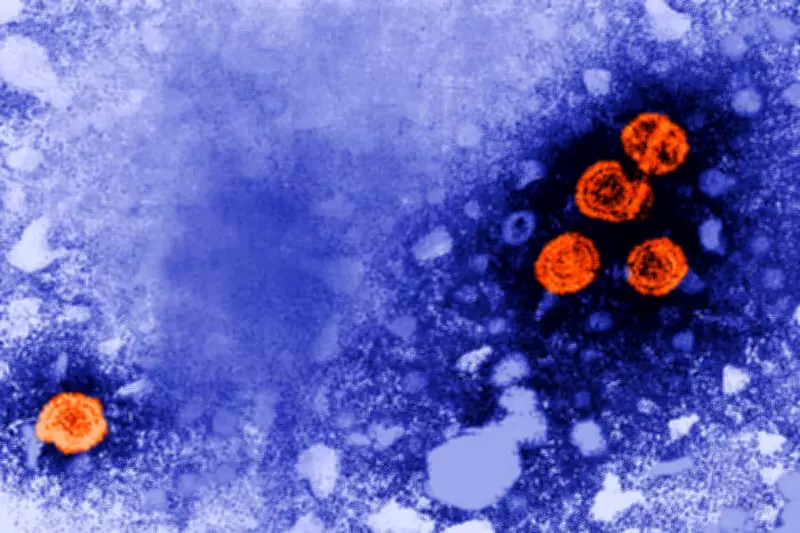
A groundbreaking experimental drug for hepatitis B has demonstrated the potential to provide a 'functional cure' for a subset of patients, according to new research presented on Thursday. The findings indicate that approximately one in five patients who received the novel treatment achieved undetectable levels of the virus, enabling them to discontinue all antiviral therapy without evidence of viral rebound.
What Is a Functional Cure?
A functional cure refers to a state where the virus is suppressed to such low levels that the immune system can keep it in check without the need for ongoing medication. This is a significant milestone in the fight against chronic hepatitis B, which affects over 250 million people globally and can lead to liver cancer or liver failure.
Study Details
The research involved two international trials encompassing 1,838 participants. Patients were randomly assigned to receive either the experimental drug, known as bepirovirsen (or 'bepi'), or a placebo injection weekly for six months, in addition to their standard oral antiviral medications. Those who achieved undetectable virus levels for six months after stopping the injections were then eligible to cease their oral therapy as well.

Results showed that about 20% of patients who received bepirovirsen maintained undetectable virus levels for an additional six months after stopping all treatment — meeting the criteria for a functional cure. In contrast, none of the patients in the placebo group achieved this outcome.
Expert Commentary
Dr. Seng Gee Lim of the National University Health System of Singapore, a lead investigator, stated, 'We have not had a treatment which has come to this level of cure.' The data were simultaneously published in the New England Journal of Medicine and presented at a scientific meeting in Barcelona.
Dr. Anna Lok, a hepatitis specialist at the University of Michigan who was not involved in the study, described the findings as 'a major step' but cautioned that further research is needed to assess the durability of the remission-like state.
How the Drug Works
Bepirovirsen, developed by GSK and Ionis Pharmaceuticals, targets the hepatitis B virus by binding to its genetic material, thereby suppressing viral replication and reducing the production of a key protein called the 'S' or surface protein. It also stimulates the immune system to help control the infection.
Regulatory Status
The U.S. Food and Drug Administration has granted bepirovirsen fast-track review, with a decision anticipated by October. Regulatory agencies in Japan, China, and Europe are also evaluating the drug.
Patient Selection and Side Effects
Patients who entered the study with lower levels of the S protein were slightly more likely to achieve a functional cure. Ongoing research aims to identify why only some individuals respond to the therapy. Common side effects included mild injection-site reactions and a temporary elevation in liver enzymes, indicating possible liver stress.
Future Outlook
GSK has tracked a small number of patients from earlier-stage studies and found that most maintained their functional cure for up to three years. The trials excluded patients with cirrhosis, high S protein levels, or other complicating factors, so further studies are needed to evaluate the drug's efficacy in broader populations.