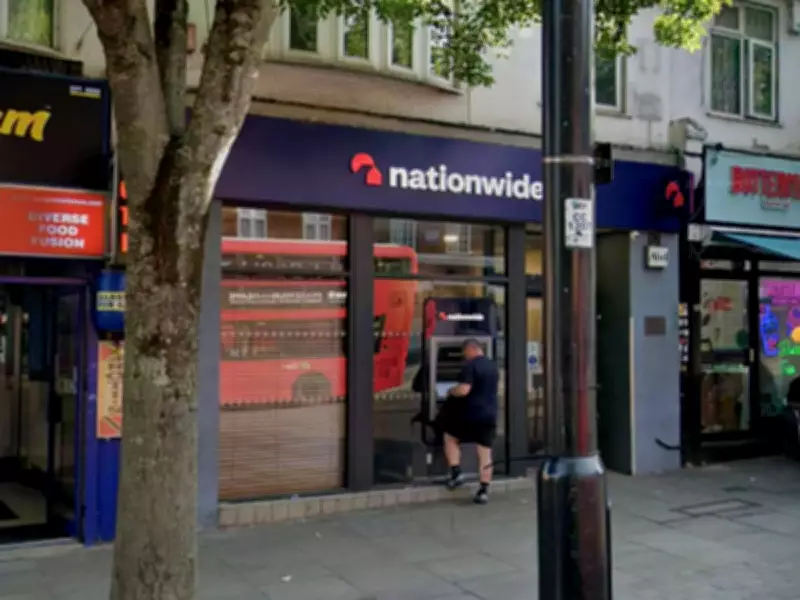
Nationwide Building Society has issued an update regarding changes to its branch services, extending its face-to-face provision and announcing a key date for customers. The mutual previously expanded its dementia clinics, with trial sessions at selected Virgin Money branches following its takeover of Virgin Money in October 2024.
The dementia clinics are 45-minute sessions with Admiral Nurses from Dementia UK, offering support for anyone affected by dementia, including symptom recognition, diagnosis guidance, and caring advice. Before the pilot, Nationwide already hosted clinics at over 230 branches across the UK.
Pilot Success and Feedback
Several pilot clinics took place in May at Virgin Money branches in Sheffield, Dewsbury, Washington, and Castleford. Nationwide reported that the pilot clinics have been highly successful. A staff member at the Sheffield branch said: "We love hosting the dementia clinics at Sheffield - all appointments turned up which shows the demand for this service."

Upcoming Clinics in June
Two more dates are confirmed for June: a clinic at the Stockton branch on Tuesday, June 2, and at the South Shields branch on Thursday, June 11. Nationwide also announced plans for trial clinics at six Virgin Money branches in Scotland, with dates to be confirmed. The building society stated: "Dates for the Scottish branches will be made available on the Dementia UK website from June onwards." The Scottish locations include Glenrothes, Inverurie, Baillieston, Livingston, Clydebank, and Hamilton.
Strong Demand for Dementia Support
Since the project began in 2024, more than 6,000 appointments for dementia clinics have been booked, demonstrating "strong demand" for dementia support in local communities. Nationwide confirmed it continuously reviews demand and that the number of branches hosting clinics now exceeds 250 across the UK.
Rebecca Lamb, external relations manager at Money Wellness, praised Nationwide for extending the clinics. She commented: "Nationwide deserves credit for recognising that some customers need extra support and that not everyone can manage important services fully online. As more banking, benefits and essential services move online, there's a growing risk that people with dementia are being left behind. Not everyone is comfortable using apps, particularly when memory loss or cognitive decline is involved. That's why in-person support still matters so much."
Ms Lamb added: "Services based in places people already trust and use, such as banks, GP surgeries and community hubs, can play a huge role in spotting vulnerability early and helping people access support before problems spiral. Face-to-face conversations can also help protect vulnerable people from scams, financial abuse and serious debt problems, which are becoming an increasing concern for families affected by dementia."