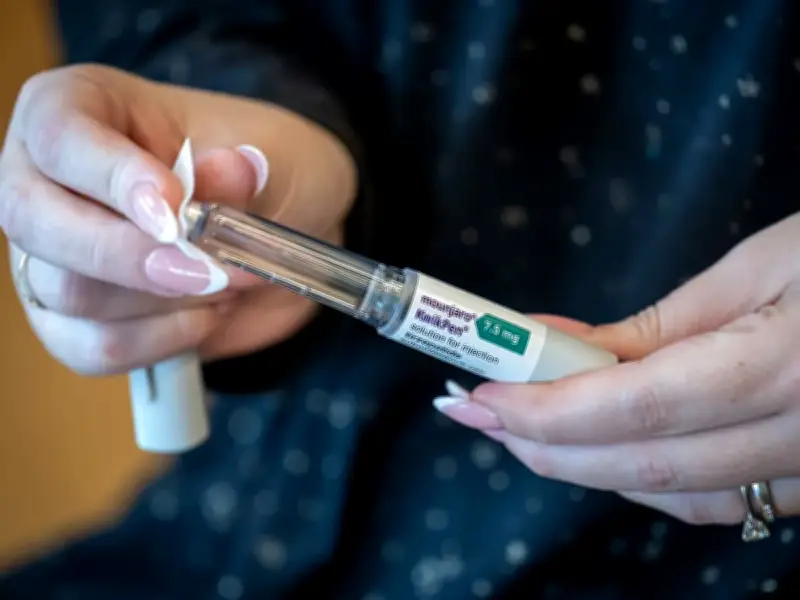
A pharmacist is urging parents to look beyond headlines about a weight-loss drug after new research examined its effects in teenagers. Raj Patel, known as the Straight Talking Pharmacist on TikTok, says the study does not mean the medicine has been newly approved for weight loss in young people.
What the study found
The research, published in JAMA on November 15 and funded by pharmaceutical company Eli Lilly, followed 160 adolescents over 72 weeks. Participants were teenagers who were obese or overweight alongside a related health complication, and both groups also received support around food and physical activity.
Average BMI fell by 18.5 per cent in the group receiving tirzepatide, the medicine used in Mounjaro, while the placebo group recorded a 0.5 per cent increase. Those figures refer to BMI, which compares weight with height, rather than a percentage reduction in body weight.
Side effects and licensing
Researchers also recorded adverse events leading to treatment being stopped in 10 of the 108 participants taking tirzepatide, or 9.3 per cent. That is roughly one in 11, the point Mr Patel highlighted when discussing the findings: "One in 11 stopped treatment because of side effects and you still don't have longer term information."
The current UK licence is another reason parents should be cautious about interpreting the headlines. Mounjaro can be prescribed for type 2 diabetes in children aged 10 and above, but the medicine's product information states that its safety and effectiveness for weight management have not been established in under-18s.
Mr Patel stressed that the study does not mean the drug has been newly approved for weight loss in teenagers. He said: "Mounjaro isn't licenced in the UK for weight management under 18 year olds and the trial result is not the same as a new licence."
Advice for parents
The NHS recommends speaking to a GP, school nurse or practice nurse if there are concerns about a child's weight, as they can help families access appropriate support. Patel's advice was to seek guidance rather than attempt to use someone else's medication, adding: "And if you're worried about your teenager's weight ask your GP what is available and please don't ever share injections."
Such findings add to research into obesity treatment in younger age groups, but longer-term information is still needed. For now, parents should speak to a healthcare professional about the options available to their child rather than treating the trial as a change to UK prescribing rules.