
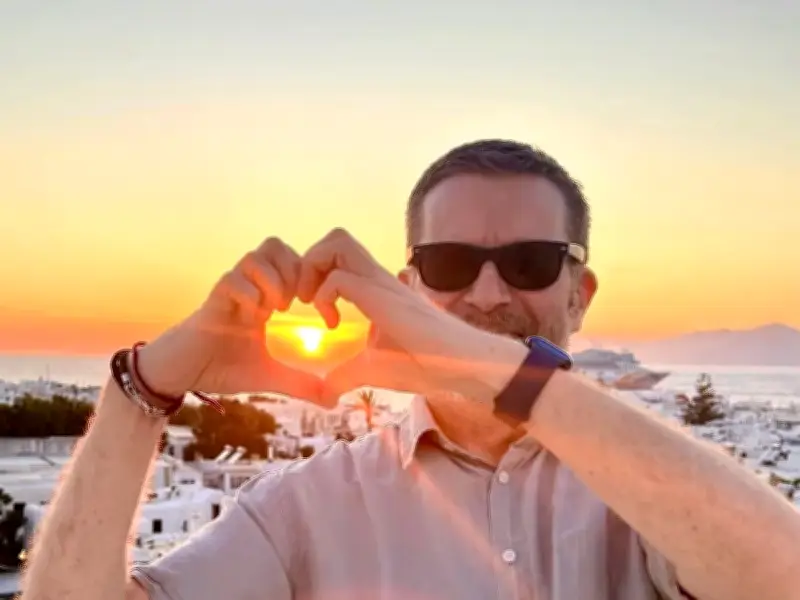
Dave Webb, 53, from Walton-on-Thames, Surrey, was told he had “a maximum of two to three years left of life” before receiving a heart transplant in March 2019. He is now urging people to “have conversations” and “be open” about joining the organ donor register.
Webb, who was 46 at the time of the transplant, had been diagnosed with hypertrophic cardiomyopathy in his late twenties. For decades, he managed the condition with medication and surgeries. But in 2018, his symptoms worsened, including breathlessness, arrhythmias and palpitations. He was also diagnosed with pulmonary hypertension.
Diagnosis and transplant
After speaking to doctors, Webb was told he “probably had a maximum of two to three years left of life”. He was placed on the urgent heart transplant list in February 2019 and, after four weeks in hospital, a donor heart became available. He underwent the transplant at Harefield Hospital in London in March 2019.
Webb said the transplant gave him the chance of “living a life I otherwise wouldn’t have had” and that he feels “very humble, incredibly humble, (and) forever grateful” to the person who donated their heart. He described having to wait for another person’s death to make his own future possible as “an emotional time”.
Recovery and new beginnings
Recovery was lengthy, and Webb needed to learn to walk again. However, he said he is now “so much more healthy” and “much more positive about the future because there is one, and I’m living it”.
Webb’s brother, Stuart, now 56, was diagnosed with the same condition and received a heart transplant in 2016. Webb said that, in the years since his own diagnosis, he had “been denying how unwell I was”.
Raising awareness
Last year, Webb started Heart Dave Webb, through which he gives talks about organ donation and the power of transplants, while also working as a freelance composer. In 2024, he took part in his first British Transplant Games, representing the Harefield Team. He described the event as “like a festival of life” and composed ‘Fanfare and Overture for the British Transplant Games’, dedicating it to organ donors and their families.
“I was overwhelmed by the camaraderie and the community feel, and the fact you’ve got transplant patients in their 70s, you’ve got transplant patients who are under 10… they’re now living a much better life through that gift,” he said.
Webb is now encouraging people to be open about their wishes for their organs after death, register through the NHS Organ Donor Register, and “have conversations” and “share your wishes” with loved ones. He said that he feels “incredibly humble (and) forever grateful” since he, his brother, and thousands of others are alive today because of the “altruistic” act of organ donation. “I never lose sight of that. I don’t think any transplant patient does.”




