
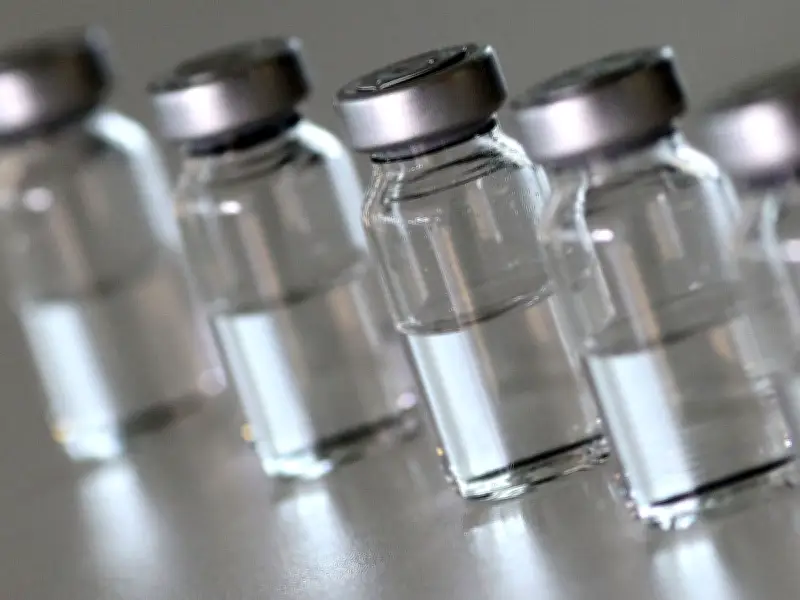
Major concerns have been raised over unlicensed experimental peptides being advertised for sale on social media. Videos on platforms including TikTok claim injectable peptides are wonder cures for everything from obesity to aging.
Legal status and marketing
Peptides, which are short chains of amino acids, are legal to buy, sell, and possess in the UK, but only for laboratory research. It is illegal to sell, supply, or market unlicensed peptides for human consumption. Content creators claim peptides can reverse hair-loss, improve brain health, and tighten skin.
Accounts posting the videos often carry links to websites through which peptides can be bought. The websites, including one for a business registered in Liverpool, carry prominent caveats claiming the products are made for research purposes only.
Regulatory response
The Medicines and Healthcare Products Regulatory Agency (MHRA) said it disregards claims that products are for research purposes if there is evidence to the contrary, and will launch regulatory action in such cases.
Peptides, licensed examples of which include insulin and GLP-1 drugs, have grown in popularity in recent years, ahead of the recent viral boom. In 2023, Jennifer Aniston told The Wall Street Journal she swears by peptide injections as part of her skin care regime.
Expert concerns
Graeme Close, Professor of Human Physiology and Head of the Research Institute for Sport and Exercise Sciences at Liverpool John Moores University, said: “Social media has driven huge interest in experimental peptides that are marketed for everything from injury recovery and muscle growth to anti-ageing and weight loss. With social media the marketing can quickly spiral out of control.
“In sport, one of the better-known examples is BPC-157, which is often promoted alongside TB-500 as the so-called ‘Wolverine Stack’, with claims that it can dramatically accelerate recovery from tendon, ligament and muscle injuries. While there are some interesting findings from laboratory and animal studies, there is very little high-quality evidence demonstrating that many of these products provide the same benefits in humans.”
Professor Close identified “two major concerns”, adding: “Firstly, even if the product contains exactly what the label claims, many of these peptides have never been licensed for human use. That means there is often limited evidence that they work in people, alongside very limited information on their long-term safety, appropriate dosing and potential side effects.
“This is frightening alone but, secondly, there are significant concerns about the products themselves. Many are sold through unregulated online suppliers with little or no independent quality control. There are even reports of people making their own and selling them.
“As a result, consumers cannot be confident that the product contains what it claims, or that it is free from contamination or manufactured to pharmaceutical standards.”
Professor Close added: “In my view, one of the biggest public health concerns is that the success of genuine peptide medicines has led many people to assume that anything marketed as a peptide must be both effective and safe. Unfortunately, that simply isn't true, and consumers should be extremely cautious when buying these products online.”
Professor Close added that, despite being concerned, some peptides “could have major health benefits”. He added: “I am also really supportive of what, in the right hands, the GLP-1 drugs will do for people who struggle with obesity. I am not in favour of everyone using them as an easy way out, but for those who need them they could be life changing.”
MHRA statement
Lynda Scammell, Head of Borderline, MHRA said: “Peptide products may be sold as cosmetics, supplements and medicines, and depending on their intended purpose, they fall under different regulatory frameworks.
“The MHRA determines whether a product is a medicine on a case-by-case basis. This includes consideration of a number of factors including the product’s effect on the body, the way it is used and takes into account all the available evidence and relevant legal precedents.
“We disregard claims that products are for ‘research purposes’ if it is clear that such claims are being used as an attempt to avoid medicines regulations. If there is evidence within the promotional material that the products are in fact unauthorised medicines intended for human use, we will take appropriate regulatory action.
“If a product is classified as a medicine and is not appropriately authorised, we take regulatory compliance action.
“Not all peptides fall under MHRA’s remit, for example, many peptides are sold for body-building purposes and in the absence of medicinal claims, these would not be considered medicines.”




