
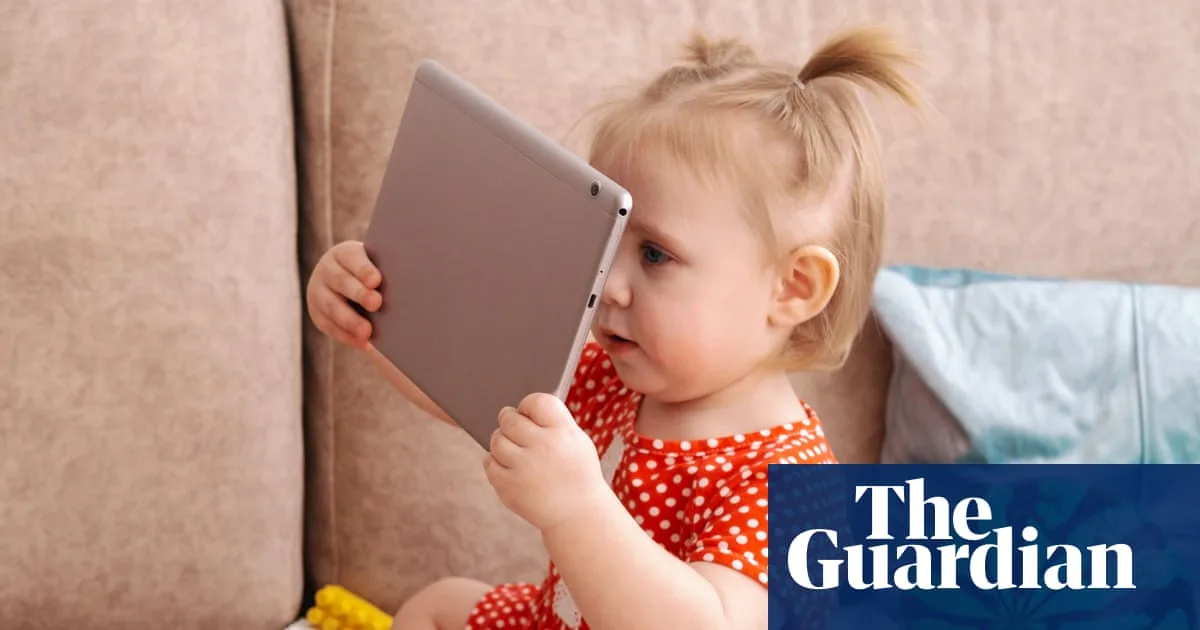
Screen time for babies and toddlers under the age of two has been linked with long-term negative effects on health and development, according to a landmark study from four UK universities. Researchers are calling for urgent government action to address the risks posed by smartphones, tablets and other digital devices to infants.
The review, described as the most comprehensive yet of global research on the subject, warns that screen use during this period may reduce opportunities for parent-child bonding, limit language development, increase overstimulation, and contribute to sleep difficulties and childhood obesity. The team from the universities of Leeds, Leeds Trinity, Loughborough and Aston found that infants may turn to digital devices for comfort rather than parents.
While the study did not establish causal links between screen time and specific conditions, it concluded that no under-twos should receive regular intentional screen time. The researchers called on the government to reconsider its current guidance, which recommends avoiding screen time for under-twos but allows exceptions for shared activities encouraging bonding.
Co-lead researcher Rafe Clayton of the University of Leeds said parents, lacking guidance on their own screen use, were 'inadvertently teaching children and babies to develop unhealthy habits'. Former Conservative minister Andrea Leadsom, founder of the 1,001 Critical Days Foundation, described the review as 'a wake-up call' and stressed that parents should not be blamed for a problem they did not create.
The research team recommends a 'baby screen-time risk assessment' to help services support families where developmental vulnerabilities may be emerging. Leadsom also urged technology companies to stop marketing content as suitable for babies when evidence points to the contrary. The children's commissioner for England has yet to respond.




