
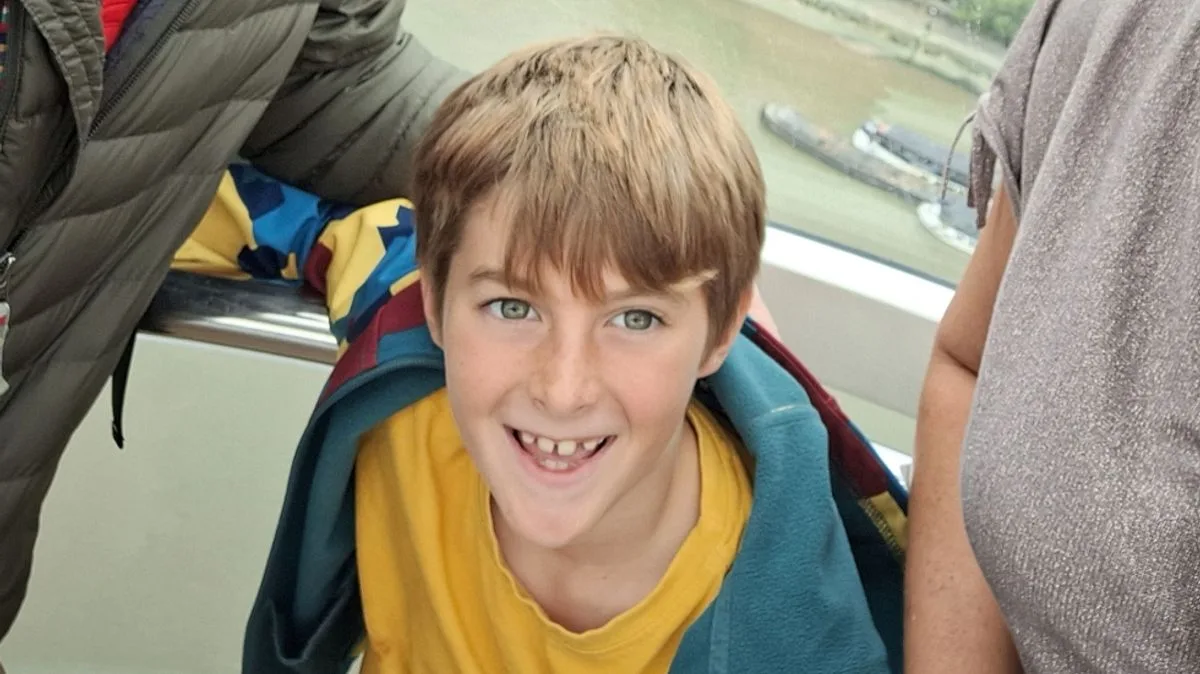
An 11-year-old boy has become the first person in Britain to have a hole in his heart repaired using a pioneering dissolvable patch. James Hoddinott, from Woking, was born with a patent foramen ovale (PFO), an opening between the upper chambers of the heart that normally closes shortly after birth but remains open in around one in four people.
James, who dreams of becoming a marine biologist, had been told that his condition made scuba diving too dangerous because of an increased risk of decompression sickness. Now, after undergoing a two-hour operation at a specialist NHS centre, he hopes to be given the go-ahead to start diving within months.
The procedure involved fitting a new biodegradable closure device called MemoSorb, which seals the hole immediately and then gradually dissolves over about a year. As it dissolves, the body's own tissue grows naturally over the repair, creating a permanent seal. The flexible 28mm device was folded into a catheter, inserted through a vein in the groin and guided to the heart before being gently released.
James's condition would traditionally have been treated with a permanent metal implant, but he carries a mutated gene that may put him at risk of developing cardiomyopathy, a serious heart muscle condition. Doctors said a permanent metal device could have made future treatments for this condition impossible. The MemoSorb patch is made from polydioxanone, a material often used in dissolving stitches, and a membrane of Poly-L-lactic acid.
The surgical team from Guy's and St Thomas' NHS Foundation Trust, involving specialists from Royal Brompton Hospital and Evelina London Children's Hospital, was led by consultant paediatric cardiologists Professor Alain Fraisse and Dr Carles Bautista. Professor Fraisse said: “We needed to close the hole in James’ heart, but a permanent metal implant wasn’t ideal – he may need future treatments involving the left side of his heart. James has made an excellent recovery and we’re hopeful for a positive long-term outcome.”
James was back at school just a week after the operation. His mother, Suzanne Hoddinott, said: “We feel exceptionally fortunate to have had this opportunity. We can already see benefits since the procedure. James has grown, he’s more hungry and he’s got more energy. He’s definitely swimming faster. So far it’s looking really positive, and he’s already thinking ahead to when he can test for scuba diving.” While James can continue snorkelling, he will have tests in a few months to confirm the hole is fully sealed before he is cleared to dive.




