
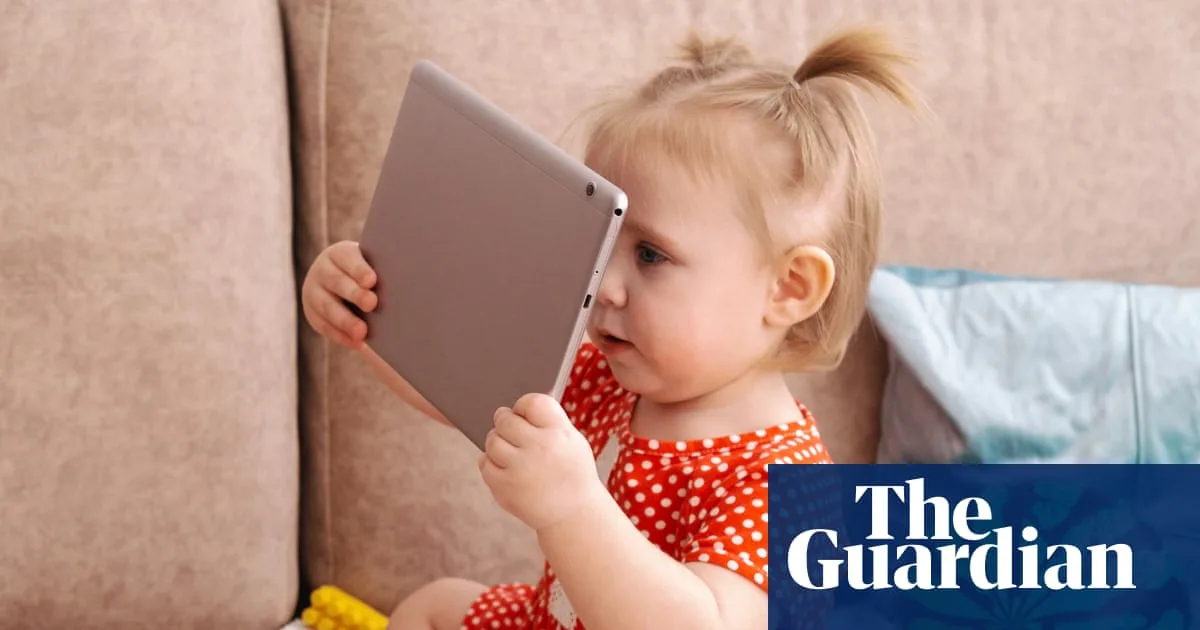
Three-quarters of nine-month-old babies in England are allowed daily screen time, with a small group watching more than three hours a day, according to research by the Education Policy Institute (EPI). The study, drawing on data from 8,000 families who took part in the Children of the 2020s study, found that 72% of infants had some screen time at nine months, while just over a quarter had none. The average daily screen time was 41 minutes.
Researchers identified a 'heavy use' group of 2% who watched more than three hours daily. Infants in single-parent households averaged 47 minutes per day, compared with 39 minutes for those with two parents. Differences by parental education and income were not significant, suggesting similar choices across socioeconomic backgrounds. Interestingly, babies with no siblings were more likely to have screen time (80%) than those with four or more siblings (57%).
The study also examined the link between screen use and other activities. Infants in the heavy-use group were significantly less likely to experience regular enrichment activities such as being read to, sung to, or going on trips outside. Dr Tammy Campbell, director for early years at the EPI, said: 'This research suggests that screen time and a healthy, active childhood are not necessarily mutually exclusive. The conversation needs to shift from “how much” to “what” and “why”.'
The Department for Education (DfE) is set to publish the first government guidance on screen time for children under five. Rachel de Souza, the children's commissioner for England, co-chairing the group developing the guidance, said: 'Parents today are raising children in a world where screens are part of everyday life. I am pleased to be co-chairing a group creating the first piece of government guidance on screen time for children under five.'
A DfE spokesperson added: 'Parents have told us they want clear, practical and non-judgmental advice on screen use for under-fives. We are working urgently to publish the first ever government guidance backed by an independent expert-led evidence review and shaped by the experiences of parents themselves.'




