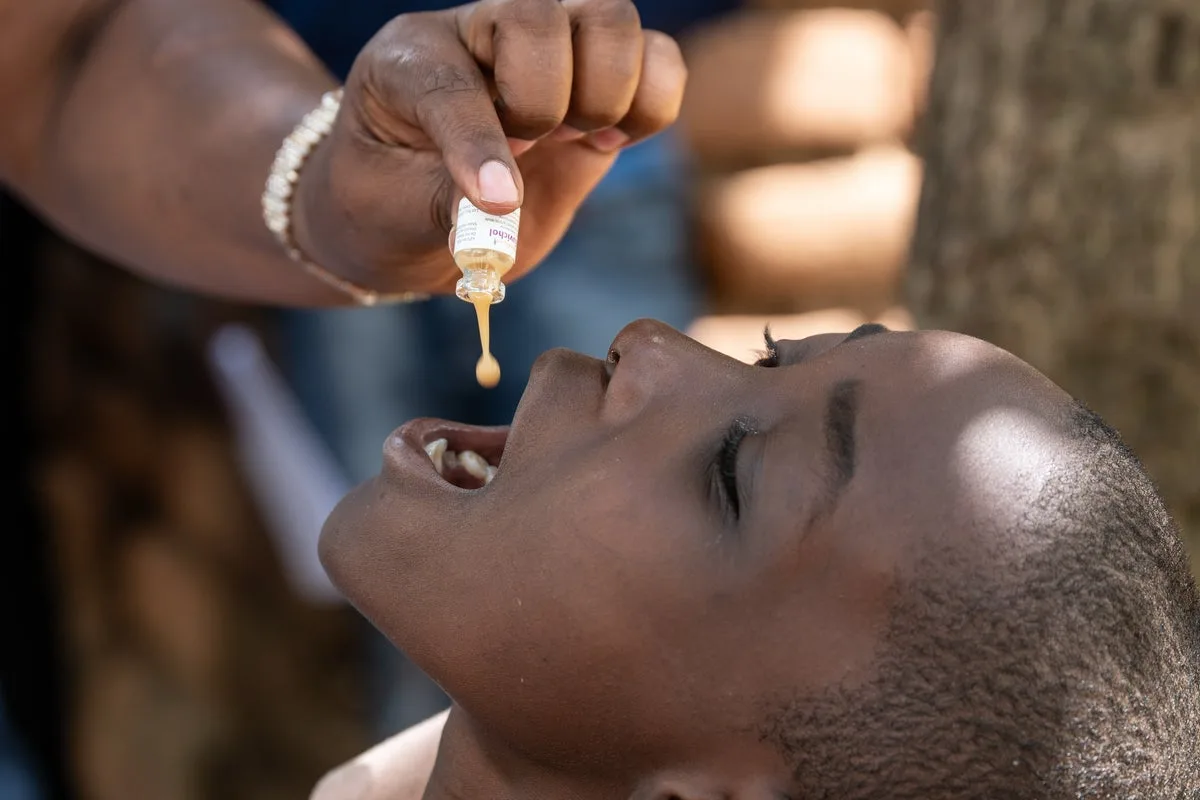
The southern African nation of Malawi has commenced a critical cholera vaccination rollout this week, aiming to curb the spread of a disease that claims tens of thousands of lives worldwide annually. This proactive measure comes as unusually heavy rainfall and devastating floods across the region create ideal conditions for cholera outbreaks, placing vulnerable populations at heightened risk.
Urgent Response to a Growing Health Crisis
Cholera, an acute diarrhoeal illness caused by bacterial infection through contaminated food or water, is both preventable and largely treatable. However, access to clean water and effective healthcare remains a challenge in many areas. Malawi, alongside several other African countries, faces a perennial threat from cholera, which has been significantly exacerbated this year by extreme weather events.
According to the Africa Centers for Disease Control, the continent experienced a major setback last year, with cases exceeding 300,000—the highest toll in a quarter of a century. This alarming resurgence has prompted urgent action from health authorities.
Targeting High-Risk Communities in Blantyre
One focal point of Malawi's three-day vaccination campaign, which concluded on Friday, was the densely populated Chilomoni township in the commercial capital, Blantyre. Recent weeks have seen at least 17 cholera diagnoses in the city, including one reported death, with national authorities warning of a steady increase in cases.
Dr. Gift Kawalazira, director of health and social services at the Blantyre District Health Office, highlighted that unsafe water sources are the probable cause of the Chilomoni cases. This underscores how cholera disproportionately affects impoverished communities with limited access to clean water and sanitation.
In Chilomoni, residents typically pay around five US cents for a 20-litre bucket of clean water from private taps. When unable to afford this, some turn to the nearby Muluda stream, which is contaminated with human and animal waste, for drinking, cooking, and washing purposes. "You can see others bring their kitchen utensils and wash them right here and also wash their clothes," Dr. Kawalazira stated. "This is the water that is causing cholera."
Vaccination Efforts and Global Supply Challenges
Malawi aims to distribute 24,000 oral cholera vaccines initially, though officials acknowledge that many more are required to adequately protect the population. "We’re focusing on the most vulnerable populations," Dr. Kawalazira explained, describing the current allocation as "a good number to start with." He emphasised that cooperation between health workers and communities is crucial for containing the outbreak.
The global cholera vaccine stockpile faced severe depletion by 2022 due to high demand and limited suppliers, leaving poorer nations struggling to manage outbreaks. Malawi itself endured one of its worst cholera crises that year, with nearly 2,000 fatalities.
Community Perspectives and Broader Regional Impact
Among those seeking vaccination in Chilomoni was 24-year-old Harriet George, who brought her two children to a vaccination point. "I have seen that there is an outbreak of cholera in our area, and I decided to come with my children to get vaccinated," she said. "Nine people from this area are in the hospital, and the news was not welcome because the end result is death."
Another resident, Noel Kanjere, chose to get vaccinated after witnessing the disease's rapid spread, though he noted he was the only member of his five-person household to do so. He urged health authorities to maintain continuous community engagement: "The health department should not only come when there is an outbreak. They need to continuously give sensitization messages to the community."
The heavy rains and flooding since late last year have not only affected Malawi but also caused devastation in parts of South Africa and Mozambique. Humanitarian organisations warn of a grave danger of large cholera outbreaks in Mozambique, where over 500,000 people impacted by floods may be cut off from safe drinking water and food.
UNICEF spokesperson Guy Taylor highlighted the severe risks in a statement, noting that "waterborne diseases and malnutrition are a lethal combination."
Long-Term Solutions and African Vaccine Production
In response to cholera's resurgence, Africa is seeking to invest in its own vaccine production capabilities. In November, a South African pharmaceutical firm initiated trials for what could become the first African-produced cholera vaccine, representing a significant step towards regional self-sufficiency in combating the disease.
As climate patterns contribute to more frequent extreme weather events, the link between flooding, contaminated water sources, and cholera outbreaks becomes increasingly evident. Malawi's vaccination campaign, while a vital immediate response, underscores the ongoing need for sustainable improvements in water infrastructure, public health education, and accessible healthcare to protect communities from this preventable disease in the long term.