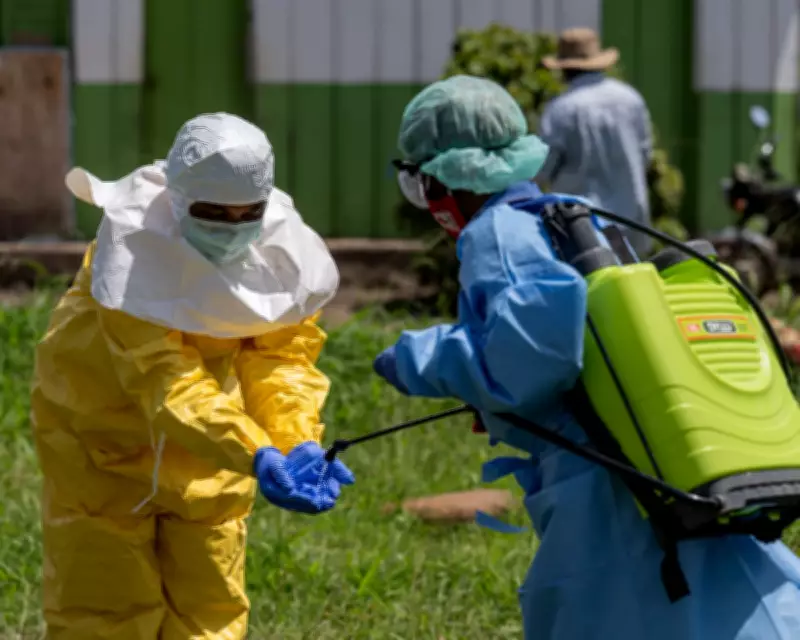
Health experts are urging global authorities to learn from past failures in handling Ebola outbreaks as the virus reemerges in several African nations. Drawing on experiences from the devastating 2014-2016 epidemic in West Africa, which claimed over 11,000 lives, specialists emphasize that community engagement and swift intervention are critical to containing the disease.
Key Lessons from Previous Outbreaks
One of the most significant failures in earlier responses was the slow international reaction and lack of trust between health workers and local communities. Dr. Margaret Harris, a spokesperson for the World Health Organization, noted that "in many areas, people did not trust the responders, leading to delays in treatment and further spread of the virus." To address this, health officials are now prioritizing collaboration with community leaders and local health workers to build trust and ensure accurate information dissemination.
Importance of Rapid Response
Another critical lesson is the need for immediate funding and deployment of resources. During the 2014 outbreak, it took months for a coordinated international response to materialize. Today, organizations like the WHO and Médecins Sans Frontières are advocating for pre-positioned supplies and rapid response teams that can be deployed within 48 hours of an outbreak being confirmed.

Furthermore, experts highlight the role of vaccine development and distribution. The successful use of the Ebola vaccine in the Democratic Republic of Congo during the 2018-2020 outbreak demonstrated that immunization can be a game-changer. However, ensuring equitable access to vaccines across affected regions remains a challenge.
Current Situation and Challenges
The latest Ebola cases have been reported in Guinea and the Democratic Republic of Congo, with health authorities working to trace contacts and isolate patients. Despite advances in medical treatments and vaccines, the response is hampered by weak healthcare systems, political instability, and misinformation on social media.
Dr. Michael Ryan, executive director of the WHO Health Emergencies Programme, stressed that "we cannot afford to repeat the mistakes of the past. This means investing in health systems, supporting community-led responses, and ensuring that lessons learned are translated into action."
As the world watches, the hope is that by applying these hard-won lessons, the current Ebola outbreaks can be contained more effectively, preventing the catastrophic loss of life seen in previous years.