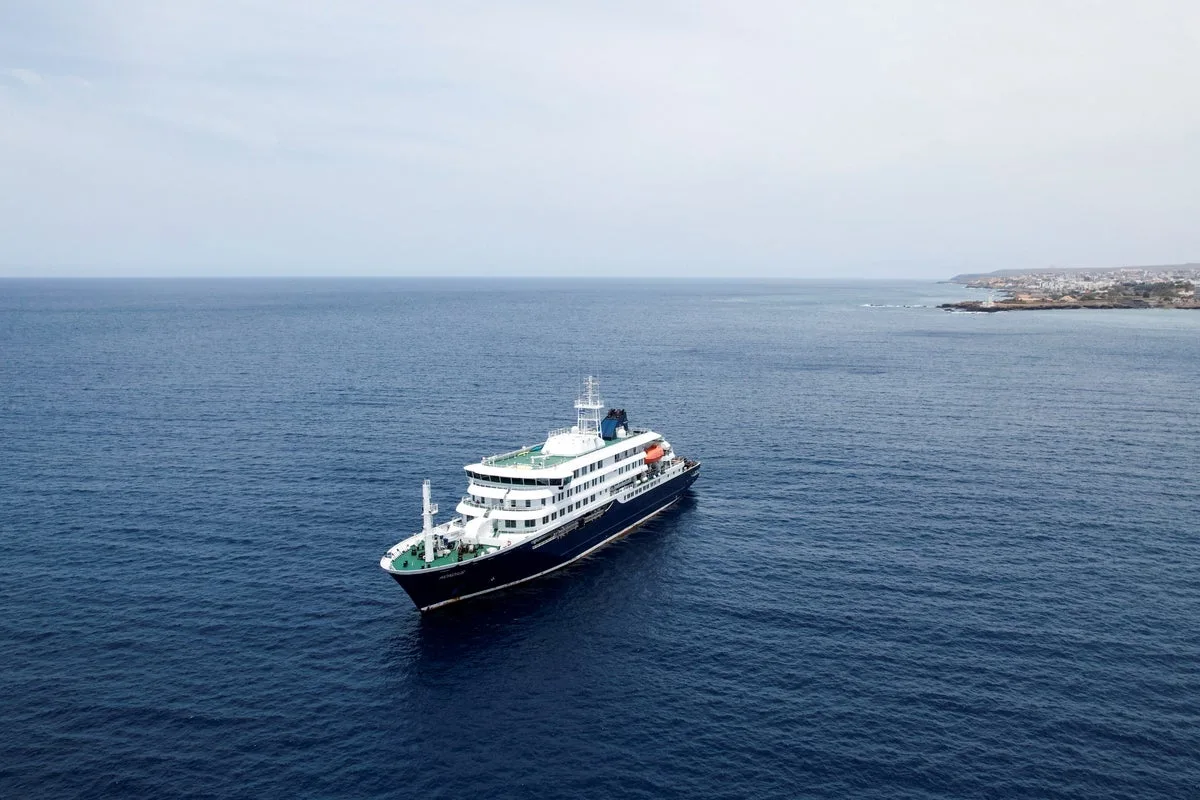
Concerns over disease spread on cruise ships have been reignited after a deadly outbreak of suspected hantavirus on a Dutch vessel off West Africa. Three passengers have died and three others are receiving care, though only three cases have been confirmed, according to shipowner Oceanwide Expeditions. The MV Hondius carries 17 Americans, including a Boston travel blogger.
Virologist Raymond Alvarez told The New York Post that cruise ships are 'dense, semi-closed ecosystems where thousands of people share space, food, air and surfaces over multiple days.' While hantavirus is rare, other illnesses are more common this summer.
Norovirus caused 18 of last year's cruise outbreaks and one of this year's three, according to the US Centers for Disease Control and Prevention (CDC). It leads to vomiting and diarrhoea, can cause dehydration, and is highly contagious. The virus can survive on surfaces for days and is resistant to many disinfectants. Hand sanitizer helps but does not replace soap and water, said Vikram Niranjan of the University of Limerick.

Legionnaires' disease, a severe pneumonia, was diagnosed in two passengers after a Norwegian cruise last year. It spreads through mist from baths, pools, hot tubs and showers. The CDC says one in ten people infected die from complications. There is no vaccine, but antibiotics and oxygen can treat it.
COVID-19 remains a threat, with indoor crowded spaces still a concern, said Dr Wilbur Chen. Although caseloads have fallen, infections still kill dozens in the US weekly. Influenza and measles have also seen resurgences due to vaccine hesitancy, threatening elimination status.