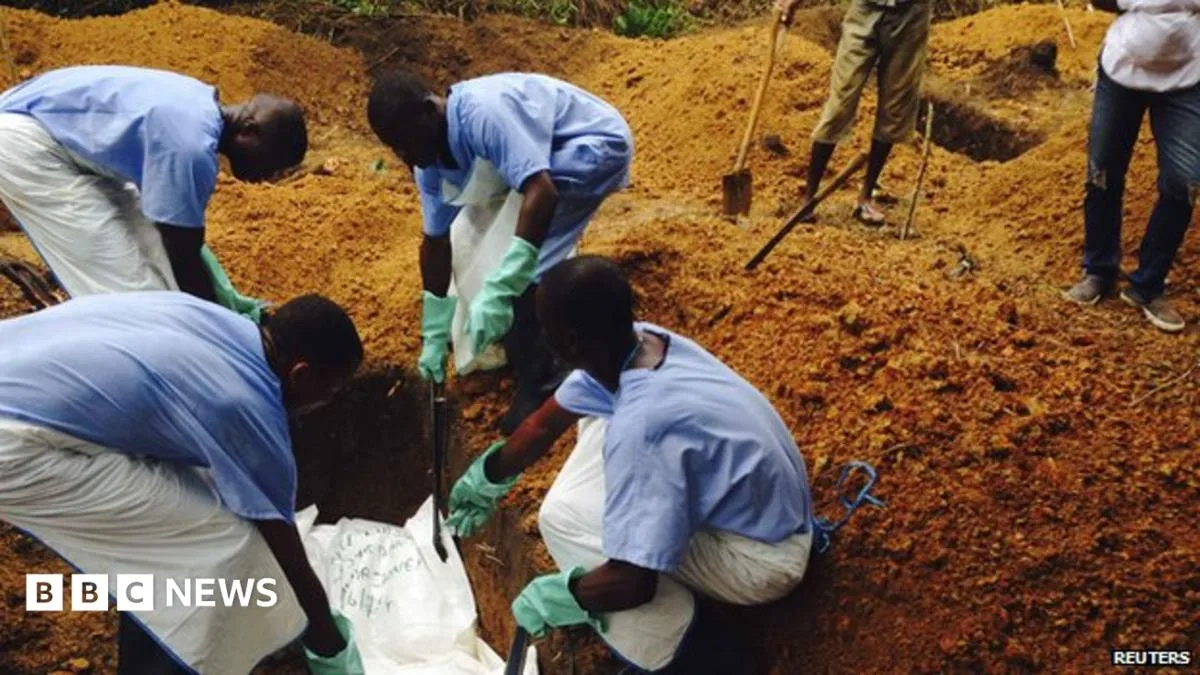
An independent panel of global health experts has concluded that the international response to the Ebola epidemic was 'too slow', and that a failure of leadership led to 'needless suffering and death'. The report, published in The Lancet, was convened by the Harvard Global Health Institute and the London School of Hygiene & Tropical Medicine.
More than 11,000 people died in the outbreak that began in 2013, with Guinea, Liberia and Sierra Leone worst affected. The panel reserved most criticism for the World Health Organization (WHO), saying it was five months late in declaring Ebola a public health emergency after being notified by Guinea and Liberia.
The report also criticised some political leaders for downplaying the outbreak and not calling for international help. When a global response did materialise towards the end of 2014, it was deemed slow, inflexible, and poorly co-ordinated.
Professor Peter Piot, chair of the panel and co-discoverer of Ebola, said major reform of national and global systems is essential to prevent future suffering. 'The Ebola crisis in West Africa should be a game-changer for how the world prevents and responds to epidemics,' he said.
The panel made ten recommendations, including a global strategy to help poorer countries monitor and respond to infectious diseases, and a system to name and shame countries that delay reporting outbreaks. It also called for a dedicated centre for outbreak response at the WHO with a protected budget, and a global fund to finance research and development of drugs and vaccines.