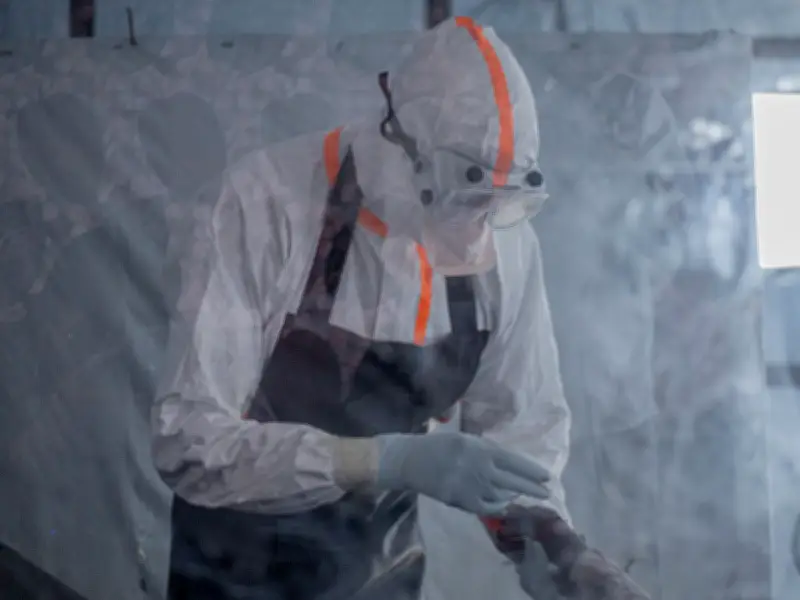
The Democratic Republic of Congo's Ebola outbreak has seen its deadliest 24-hour period, with 37 fatalities recorded between Friday and Saturday, pushing the total death toll to at least 930 since the outbreak began on May 15. The Bundibugyo virus, responsible for the outbreak, has no approved vaccine or treatment, contributing to its rapid spread.
Unprecedented Daily Death Toll
The 37 deaths in a single day mark one of the highest daily totals since the outbreak started. According to the DRC Ministry of Health, 2,344 cases have been confirmed as of Saturday, with 724 patients currently in isolation. The ministry reported 22 new recoveries in 24 hours, stating, "Patient care and support capacities are consolidating."
The outbreak is the fastest-growing Ebola outbreak on record, driven partly by the rarity of the Bundibugyo virus, which is less common than other Ebola strains. The virus is highly contagious, spreading through contact with bodily fluids of infected individuals or contaminated surfaces.
Violence Hampering Response in Ituri Province
Five of the country's 26 provinces have been affected, all in the eastern region where rebel violence is rampant. The worst-hit province, Ituri, accounts for about 90% of cases. Safety fears have severely hampered the response, with at least 12 attacks on health facilities and teams since the outbreak was declared, fueled by skepticism and rumors.
Pierre Akilimali, incident manager for the Ebola response, noted that many attacks are carried out by angry mobs storming treatment centers or targeting field teams. Dr. Adelard Lufongola, operations manager, added that burial teams have also been threatened: "Members of the various response teams have been held captive in some health zones. Teams responsible for safe and dignified burials have been threatened and continue to be threatened in some cemeteries."
Health workers have also walked off the job over unpaid salaries, and at least 36 infected health workers have died. Traditional funeral practices, such as washing and preparing bodies, have been restricted, angering residents.
Security Concerns Force Staff Relocation
UN spokesman Stéphane Dujarric told reporters that humanitarian actors are "deeply concerned by escalating violence" hindering the Ebola response. Access to treatment centers and surrounding communities remains limited. "The worsening security situation has forced several humanitarian partners involved in the Ebola response to temporarily relocate staff to Bunia, which is relatively safer," he said.
The World Health Organization last week expressed concern that 80% of new cases emerge from unknown chains of transmission, indicating the outbreak is spreading faster than health officials can track despite an expanding response.