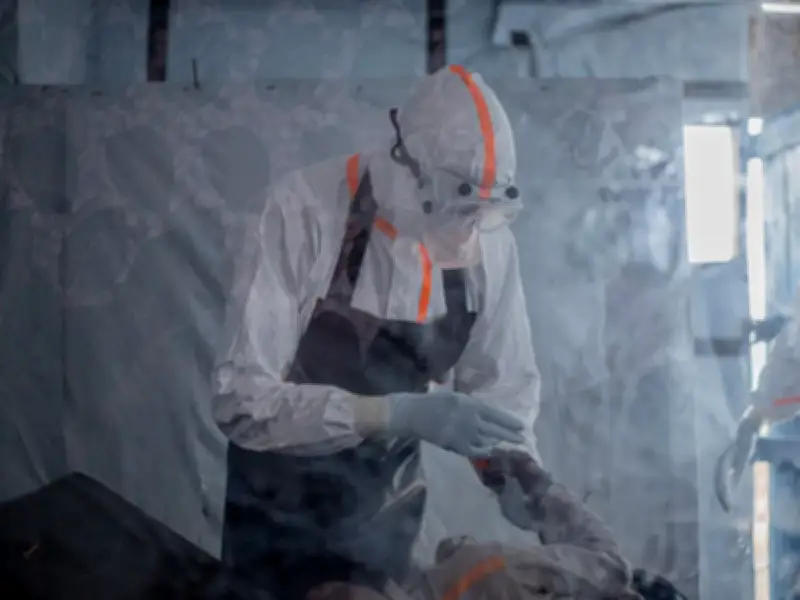
The Democratic Republic of Congo (DRC) has received its first batch of 70,000 Ebola vaccines as part of efforts to combat the ongoing outbreak. The 16,250 doses arrived at N'djili International Airport in the capital, Kinshasa, late Friday, with the full 70,000 doses expected from the World Health Organisation (WHO) and partners announced on Thursday. Further doses are anticipated early next week.
Rare Bundibugyo virus drives current outbreak
The current outbreak in the DRC is caused by the rare Bundibugyo virus, which currently has no approved treatment or vaccine. The virus can spread easily and go undetected because some of its symptoms resemble other illnesses, such as malaria.
The Ervebo vaccine, licensed to treat Ebola and effective in past outbreaks, may provide some protection against the Bundibugyo virus, according to the WHO.

Outbreak on track to surpass deadliest on record
As of Friday, the latest outbreak has recorded 2,516 deaths out of 5,290 confirmed cases. It is spreading at an unprecedented rate and is on track to surpass the deadliest outbreak on record, which killed over 11,000 people across West Africa between 2014 and 2016.
Data from the Africa Centre for Disease Control shows that transmission has not yet peaked and could reach three times its known rate.
Containment hampered by conflict and infrastructure gaps
Efforts to contain the outbreak have been hampered by armed conflict between the government and rebel groups, which control key cities in the hot spot; attacks on medical personnel and facilities; an itinerant labour population and people displaced by the armed conflict; and a lack of critical infrastructure.
Ebola poses a low risk to the UK population, as it is rare in returning travellers. Symptoms typically appear suddenly between two and 21 days after infection, starting with flu-like signs including a high temperature, extreme tiredness, muscle aches, sore throat and a headache. Other symptoms can follow, including vomiting, diarrhoea, stomach pain, a skin rash, bruising and yellowing of the skin and eyes. In more severe cases, Ebola can cause bleeding as it progresses.