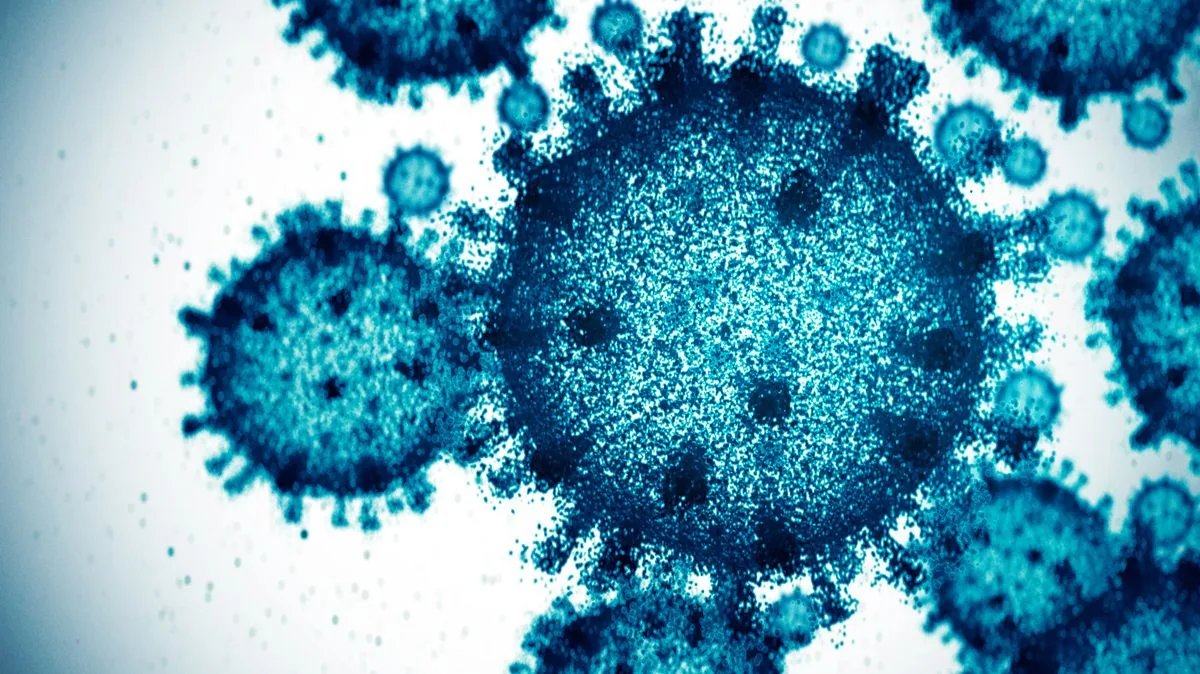
New 'Cicada' Covid Variant Detected in UK, May Evade Vaccines, Doctors Warn
Cicada Covid Variant in UK Could Evade Vaccines, Doctors Warn

New 'Cicada' Covid Variant Detected in UK, Posing Potential Vaccine Evasion Risk

Doctors have issued a stark warning that a newly identified Covid variant, dubbed the 'Cicada' strain, could potentially evade the immune system, rendering current vaccinations less effective. The variant, officially designated BA.3.2, has been detected in the United Kingdom, with health authorities closely monitoring its spread due to its significant genetic differences from previous strains.

Variant's Unique Characteristics and Global Spread

The Cicada variant earned its nickname from its ability to remain dormant or 'underground' for extended periods before becoming active, much like the insect it is named after. First identified in Africa in November 2024, it began its global spread in 2025 and has now been confirmed in 24 countries as of February 2026, including the United States and the UK. While it is not yet the dominant strain in the UK, where variants like XFG and 'Nimbus' have been more prevalent, its detection has raised alarms.

Kyle B. Enfield, an Associate Professor of Medicine at the University of Virginia, highlighted the variant's distinct nature. "There's no sign so far that BA.3.2 is any more dangerous or causes more severe disease than the variants circulating in the winter of 2025-26," he stated. "But because it's significantly different from them, the current COVID-19 vaccine may not be as effective against it."

Wide Pickt banner — collaborative shopping lists app for Telegram, phone mockup with grocery list

Genetic Mutations and Immune System Implications

BA.3.2 is descended from the Omicron variant and carries between 70 to 75 genetic changes in its spike protein, the part of the virus that facilitates cell entry and is targeted by vaccines. These mutations could make it harder for the immune system to recognize the virus, potentially allowing it to bypass immunity from older vaccines and past infections. Andrew Pekosz, a virologist, noted, "It has a lot of mutations that may cause it to look different to your immune system."

Current COVID-19 vaccines are designed based on the most common strains, such as those from the JN.1 lineage prevalent in the U.S. since January 2024. However, BA.3.2 is so different that vaccines may not prime the immune system effectively against it. Dr. Marc Siegel of NYU Langone cautioned, "There is concern that it could represent a significant public health risk, but since the prevalence is still so low, it is too soon to predict this on a community-wide basis."

Symptoms and Public Health Advice

For most individuals, symptoms of the Cicada variant align with other Omicron-era strains, including fever, chills, cough, fatigue, and nasal congestion. Notably, a severe or 'razorblade' sore throat has been frequently reported. Some cases also show a slightly higher prevalence of gastrointestinal issues like nausea, vomiting, or diarrhoea. Importantly, there is no current evidence that Cicada causes more severe disease or higher hospitalisation rates than previous variants.

To mitigate risks, health experts recommend several preventive measures:

  • Wash hands regularly, especially after using the bathroom, before eating, and after contact with sick individuals, as this can reduce respiratory infection chances by 16% to 21%.
  • Stay home if feeling unwell to prevent spreading the virus, particularly to vulnerable individuals with conditions like cancer or chronic lung disease.
  • Spend time outdoors and avoid crowded environments to lower exposure risks.
  • Consult a healthcare professional for personalised advice if you have underlying health conditions that increase severe infection risk.

The UK Health Security Agency continues to monitor the situation, urging vigilance as research into the variant's impact evolves.

Pickt after-article banner — collaborative shopping lists app with family illustration




