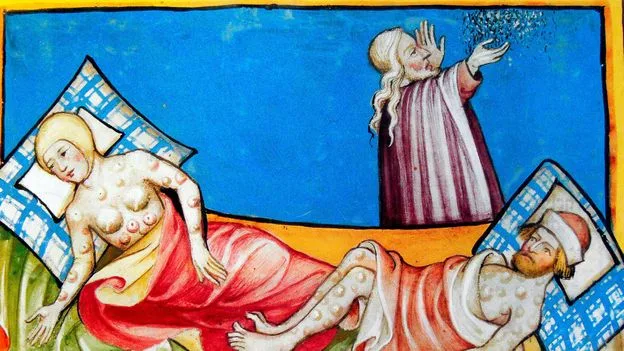
When the Black Death swept through Europe in the 14th century, killing between a third and a half of the population, it left economic devastation in its wake. But historians now note a less obvious consequence: the pandemic accelerated the concentration of wealth among a tiny elite, a pattern that may be repeating with Covid-19.
The bubonic plague, caused by Yersinia pestis, arrived in England in June 1348. Symptoms included headaches, nausea, painful black lumps in the armpits and groin, and high fever, often leading to death. Originating in Central Asia, the disease spread via trade routes to the Black Sea, then to Italy and across Europe. The mortality rate among those infected reached 80%.
In the short term, the loss of a third of the workforce caused labour shortages, which empowered surviving peasants to demand better wages and ultimately eroded the feudal system. However, the longer-term effect was a redistribution of wealth upward. Wealthy businessmen, in particular, began keeping their fortunes within the family, replacing the previous practice of leaving a third to charity. This led to a continued concentration of capital into fewer hands.
Historian John of Fordun recorded that the sickness 'befell people everywhere, but especially the middling and lower classes, rarely the great.' This disparity echoes today, as small businesses struggle while large corporations—especially in home delivery—profit from pandemic conditions. The Black Death also strengthened state power and accelerated market domination by a handful of large companies, parallels that are evident in the current crisis.
While the modern economy is far larger and more interconnected, the underlying dynamic remains: pandemics can exacerbate inequality, concentrating wealth among those already at the top.