Deadly H5 bird flu has been confirmed in two Australian states after a migratory seabird tested positive for the disease in South Australia, marking the third confirmed case in the country. Western Australia also has another suspected positive case, which would bring the total number of infections to four.
Confirmed Cases and Locations
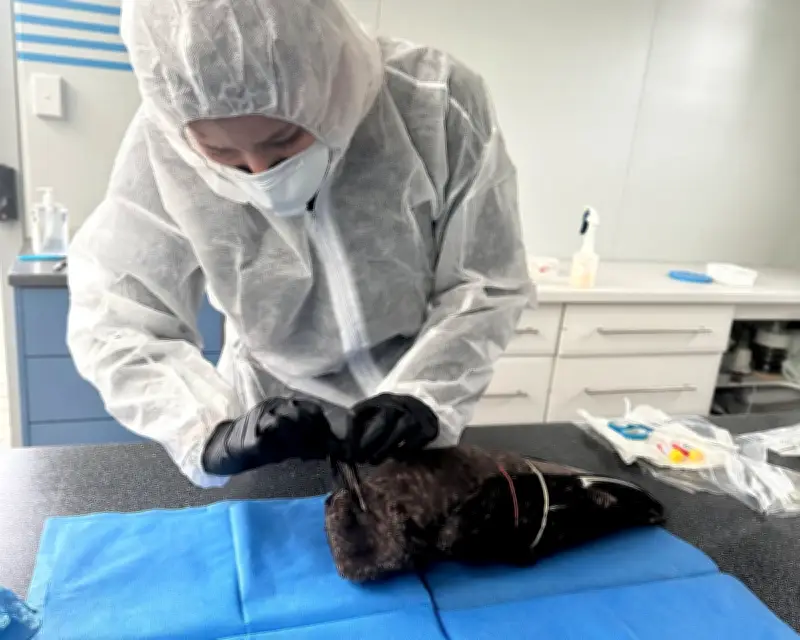
The South Australian premier, Peter Malinauskas, confirmed that a giant petrel found unwell on Knights Beach in Port Elliot on 14 June tested positive for the H5N1 strain. The test result was confirmed by the CSIRO on Wednesday. In Western Australia, the agriculture minister, Jackie Jarvis, reported a third suspected case in that state—a southern giant petrel found dead in the Quindalup region. Samples have been sent to the CSIRO for confirmation.
Previously, two migratory birds near Esperance in Western Australia tested positive for the deadly strain, which has devastated wildlife populations globally. The first confirmed case was a brown skua, whose genome testing indicated the infection likely originated from the subantarctic territories, particularly Heard Island and McDonald Islands.

Government Response and Public Advice
Malinauskas said authorities were alerted on 19 June to social media posts indicating the bird was in care with Wildlife Welfare Organisation SA. He noted that authorities responded quickly and tested the animal. The government is in contact with volunteers who had contact with unwell birds and will prescribe the antiviral Tamiflu if necessary.
“It’s very, very important now that we have received a positive result from South Australia, that people are very aware that they can report any signs of bird life that is unwell or dead,” Malinauskas said. He encouraged the public to call the hotline if in doubt.
Wildlife Impact and Expert Concerns
Justin Biddle, wildlife rescue centre manager for Wildlife Welfare Organisation, said the confirmed SA case was brought into the centre in Goolwa on 14 June. “We get a few giant petrels come in each year. This one was showing signs of being beach washed and debilitated,” he said. The bird was cared for until Pirsa, South Australia’s primary industries authority, was alerted. An initial swab test was negative but later deemed inconclusive. The bird was picked up on 23 June and was relatively fit and healthy.
The federal agriculture minister, Julie Collins, said there continues to be no evidence that H5 bird flu has spread to poultry animals or local wildlife. The chief veterinary officer, Beth Cookson, said it is concerning to have a confirmed detection in another jurisdiction, given the strain’s global impact on wildlife.
Scientists recently confirmed that thousands of southern elephant seal pups on Heard Island and hundreds of adult king penguins in the subantarctic died from the disease through 2025 and 2026.
International Trade and Funding Calls
Collins announced that a suspension imposed by Papua New Guinea on imports of Australian poultry products had been lifted. PNG had imposed the restriction on all poultry products on Monday.
The Invasive Species Council said the confirmation of H5 bird flu in another state highlights the growing threat facing Australian wildlife. The organisation reiterated calls for an urgent $200 million in funding for conservation measures to support the bird flu response by reducing other threats to species. Policy director Carol Booth stated: “The concern now is not whether Australia is taking the threat seriously – it clearly is. The concern is how well our wildlife will cope when bird flu inevitably reaches more native bird and mammal populations.”