
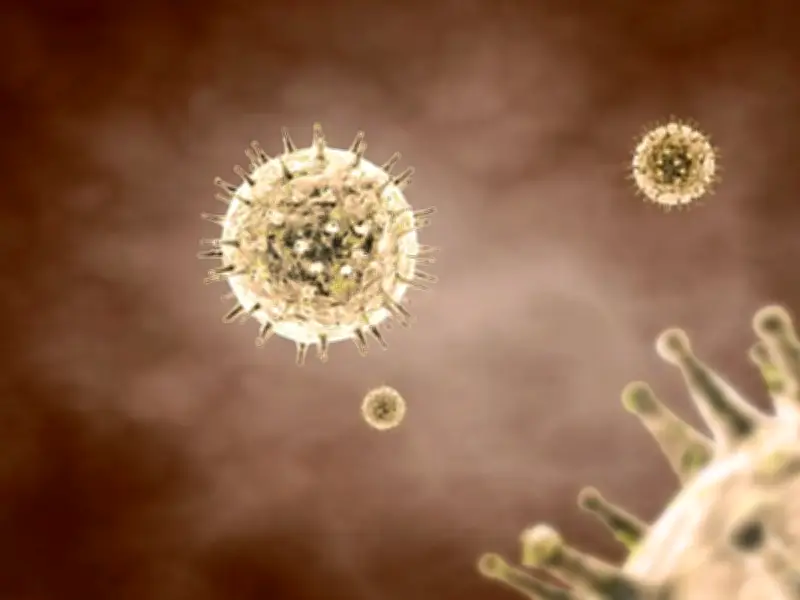
Thousands of Brits have been hospitalised by a new illness commonly known as 'American Covid', prompting health officials to issue fresh guidance on isolation and protecting vulnerable people.
The strain, also known as XFG or Stratus Covid, has joined other viruses in circulation this autumn, sparking wider health concerns. Figures from the UK Health and Security Agency (UKHSA) show positive cases detected in hospital environments surged from 5.9 per cent to 7 per cent within weeks.
Symptoms and advice
Stony Brook Medicine University, New York, advised people to stay alert for possible symptoms, as numerous at-risk patients can be severely impacted by the condition. Primary symptoms include a lingering, dry cough, exhaustion or overall weariness, and an elevated temperature of 38C+.
The variant might also bring a rough, painful throat and bouts of diarrhoea. Additional possible symptoms include breathlessness, nausea, reduced appetite or tummy pains, headaches and muscular discomfort, mental fog or difficulty focusing, and blocked sinuses or a runny nose.
Isolation rules
Brits who believe they may have contracted the virus have been advised to take measures to stop it spreading further. They have been instructed to avoid contact with others for at least five days, while anyone under 18 should hold off for a minimum of three days. Anyone with a positive test result should avoid meeting people with weakened immune systems for at least 10 days after the day their results came back.
UKHSA surveillance data shows the variant, which earned the moniker 'American Covid' because it was first identified in the US, has been circulating in the UK for roughly a year.
Why cases are rising
Explaining why cases are spiking now, the UKHSA said: "As we move into winter, colder and wetter weather means people spend more time indoors, which enables the spread of respiratory viruses." It added that it has been roughly a year since the last significant COVID-19 wave, so immunity from vaccination and previous infection may be waning in parts of the population, making people more susceptible.
Health chiefs reassured the public that rising hospital admissions do not mean the strain itself is deadlier.




