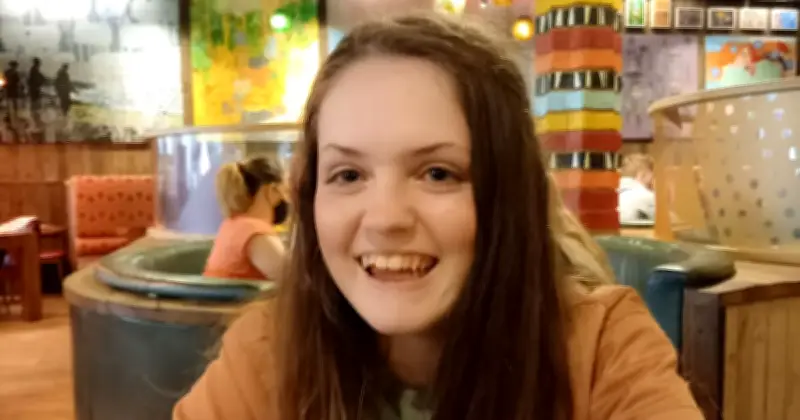
A 19-year-old woman from Warwickshire died from a rare cancer after months of NHS misdiagnoses, prompting her mother to issue a warning. Liberty York, from Stratford-upon-Avon, was repeatedly told by doctors that it was "highly unlikely" she had cancer. Her symptoms were initially dismissed as mastitis, an abscess and hormonal issues before specialists uncovered a 10lb (4.5kg) tumour in her chest.
By the time Liberty was accurately diagnosed with angiosarcoma - an aggressive form of soft-tissue cancer - in August 2024, the disease had already spread to her lymph nodes. Severe bed shortages delayed her vital treatment, leaving her in agonising pain at home with her left breast swollen to 10 times its normal size.
Mother's Warning
Despite eventually undergoing major surgery and chemotherapy, Liberty contracted pneumonia, developed blood clots and was told by November that the cancer had reached her lungs and was incurable. She passed away peacefully at home on June 1 last year, just two days after her 19th birthday.
Her grieving mother, Hannah, 41, is now speaking out to ensure no other family suffers the same fate, claiming her daughter was never given a "fighting chance". "I'm not a medical expert, but it just baffles me how they can have something so huge and don't rule out the most serious thing," Hannah said.
Missed Opportunities
Liberty first felt unwell in May 2024 with nausea and fatigue, followed by unexplained breast swelling. Over five separate GP visits, her symptoms were misidentified as Addison's disease, mastitis and an abscess. It took three months of relentless visits before a biopsy finally revealed the malignant tumour.
Following surgery in September to remove the mass, surrounding tissue and lymph nodes, the cancer continued to spread aggressively. By May 2025, after discovering a new lump, Liberty made the brave decision to stop treatment and spend her final days at home, where her family threw her a Bridgerton-themed birthday celebration.
New Guidance for Doctors
In light of Liberty’s tragic death, medical experts have launched new guidance through the Children and Young People's Cancer Association's Child Cancer Smart campaign to help doctors spot soft-tissue sarcomas sooner. Dr Sharna Shanmugavadivel, lead for the campaign, emphasised the critical need for prompt diagnosis.
"Time to diagnosis for soft tissue sarcoma has been shown to have a significant, independent association with overall survival in children, yet it is one of the longest among all childhood cancers," Dr Sharna said. "Delays in recognising that something is not right can have serious consequences, allowing a cancer to remain undiagnosed for months or, in some cases, even years."
"Reducing these avoidable delays has the potential to reduce treatment-related harm and save the lives of children across the UK."