A new skin cancer jab could nearly halve the risk of the disease returning, early studies have suggested. Some 20,980 people are diagnosed with melanoma in the UK each year, and 10-15% see their cancer returning after surgery. But scientists are developing a vaccine that cuts this risk by 42%.
How the vaccine works
Unlike other injections, it is custom-made for each patient. After a surgeon removes the tumour, scientists take a sample and compare its DNA to the patient’s healthy cells to spot what makes it different.
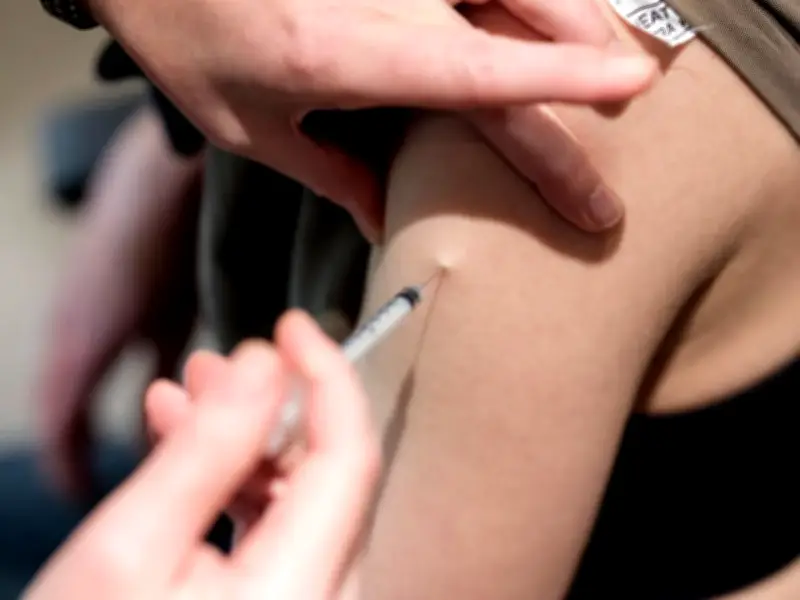
Unusual markers on the cancer cells are then used to create a genetic recipe - called MRNA - which is injected back into the body. The cells treat the unfamiliar markers as dangerous invaders, which prompts T-cells to hunt down and destroy any cancer cells left behind after surgery.
Trial results
Researchers gave the jab to people with stage two, three and four melanoma that had been surgically removed but had a high risk of returning. Over two years, along with immunotherapy treatment, the vaccine cut their risk of death and skin cancer returning by 42% compared with immunotherapy alone.
Cancer Research UK’s Dr Catherine Elliot said: “These results are encouraging for people with melanoma, a cancer that can come back aggressively after surgery.”
Next steps and context
Dr Elliot added: “Cancers differ from person to person, so research into tailored treatments is vital. Continued investment will help us understand who benefits most from approaches like this, and how we can make them available to the people who need them.”
The vaccine is being developed by US pharmaceutical firm Moderna and Merck. Phase three of the trial came to an end last month, and now scientists are tracking its effect on patients’ longer-term survival. It is not yet FDA-approved or routinely available outside of clinical trials.
Melanoma develops in melanocytes, the cells that produce melanin which gives the skin its colour. It is less common than skin cancer’s basal cell or squamous cell carcinoma, and has a high tendency to spread if not caught early. It is the fifth most common cancer.