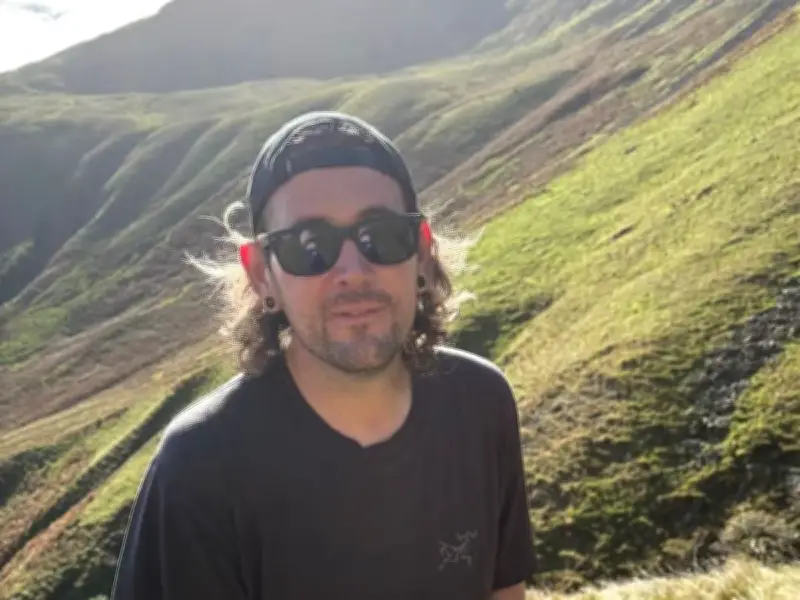
A Wirral man's dream holiday to Japan took a devastating turn when he suffered a seizure hours before departure, ultimately leading to a diagnosis of an aggressive brain cancer. Sam Kowalski, 37, had proposed to his fiancée Emily at Glastonbury earlier that year, and the couple were looking forward to their future together.
In the early hours of the morning before their flight, Sam suffered a seizure in their hotel room and was taken to Wythenshawe Hospital. His mum Sahra told the Liverpool Echo: "I woke up to lots of missed calls from Emily at about 5am, which was really alarming. She told me they were in Wythenshawe Hospital and Sam had had a seizure in the hotel room."
Sahra added: "I was in shock. I thought it was really strange. As a mum, you're trying to look for the reason behind everything. I started Googling and found out it's not uncommon to have a one-off seizure."
From all-clear to second seizure
Sam was given the all-clear by hospital staff and told he was fit to fly, so he and Emily continued with their holiday. But he continued to feel unwell, experiencing dizziness, feeling spaced out and struggling with his vision and certain environments. At the time, Sam attributed some of these symptoms to anxiety and stress.
After returning home, he managed just one day back at work before his symptoms became "overwhelming". In October, while away celebrating his birthday with friends, Sam suffered another tonic-clonic seizure. Determined to find answers as quickly as possible, the family arranged a private MRI scan at Spire Murrayfield Hospital, which revealed a small tumour on Sam's brain.
Sahra said: "The doctor called Sam back a couple of days later and said they had found a small tumour in a 'very operable position'. I didn't know anything about brain tumours. We knew it wasn't good news, but it didn't seem to be too bad."
Surgery halted mid-operation
Sam was subsequently referred to The Walton Centre, where doctors initially diagnosed him with a low-grade glioma. The family were again told the tumour was in an operable position and surgeons believed they could remove around 95% of it.
In February, Sam underwent surgery in the hope of removing the tumour. But the family received another devastating setback when the operation was halted. Sahra received a phone call at midday informing her that, when the surgeon attempted to touch the tumour, Sam's arm and face began moving significantly.
Concerned about the risk of causing serious neurological damage, the surgeon decided not to proceed with removing it, and a sample was taken for biopsy instead. Sahra said: "It was a huge blow for Sam to come out of surgery and the tumour hadn't been taken out, after all the emotion of preparing mentally to have the surgery."
The biopsy results brought even more devastating news. Rather than the low-grade glioma the family had initially been told Sam had, the results revealed a Grade 4 glioblastoma - an aggressive form of brain cancer.
Exploring every possible avenue
Sahra said watching her son navigate such a life-changing diagnosis had been "incredibly difficult". She added: "To this day, I could never know what Sam feels deep inside because he shows a certain side to us all. It's as if he wants to protect us. I've said to Sam, people go through life and achieve all sorts of things, but I think this life achievement of managing such a drastic diagnosis has been a real testament to his character and his strength."
Since receiving the diagnosis, Sam and his family have been determined to explore every appropriate option available to him. They have researched treatments, specialist consultations and emerging technologies, including clinical trials in the UK and internationally. The family also connected with a man from Wallasey who is a long-term survivor of glioblastoma and shared his experiences and some of the approaches he had explored alongside standard medical treatment.
Sam has since made significant lifestyle changes, including following a strict low-carbohydrate ketogenic diet. The family have also been exploring supportive approaches such as red light therapy and hyperbaric oxygen treatment. Sam's latest MRI showed no evidence of tumour progression, alongside signs of slight shrinkage.
"Just to hear those words was fantastic," Sahra said. "We don't know exactly what's done it, but anything is worth a try. It's keeping us going right now."
Fundraising to keep treatment options open
Sam's family have now launched a fundraising appeal to help him access appropriate treatment and care that may not otherwise be available through the NHS. Among the options they are investigating is Tumour Treating Fields, including Optune, a technology which uses electric fields to disrupt the division of cancer cells.
They are also looking into specialist medical opinions, clinical trials and other potential treatment opportunities. Some of these options can cost tens of thousands of pounds, with additional expenses potentially including travel, accommodation and specialist consultations. The family say the fundraising appeal is about ensuring finances do not prevent Sam from exploring an appropriate opportunity that could help him.
Sahra said Sam's "positive outlook and strength of character" had remained an inspiration to those around him throughout an incredibly difficult period. Donations are being collected through a GoFundMe page.