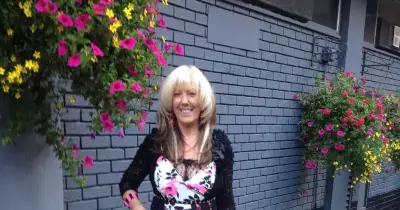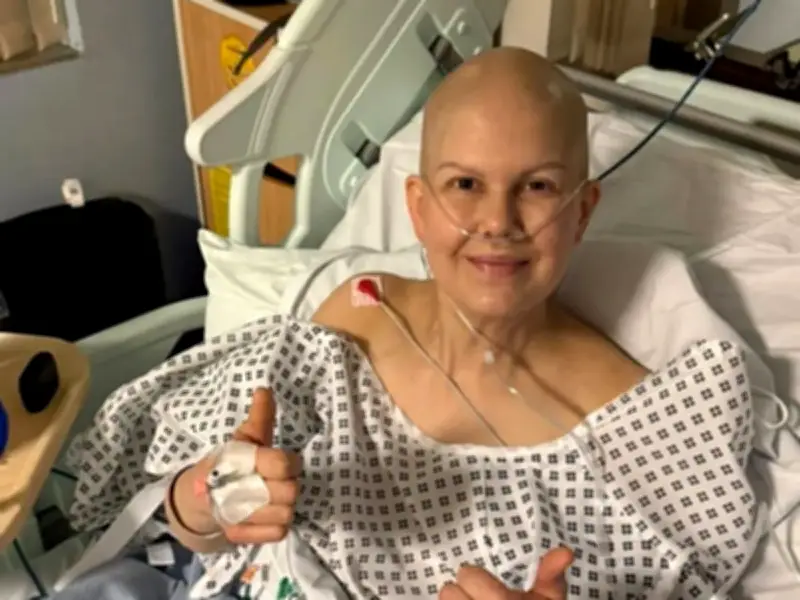
Annie Fields, 37, from Chorlton, Manchester, was diagnosed with stage four cancer after becoming unwell while pregnant. She was first diagnosed with triple negative breast cancer at 32 after finding a lump in her left breast. The former GP underwent chemotherapy, surgery, and radiotherapy, and despite developing sepsis during treatment, she was eventually given the all-clear. Before treatment, she froze her eggs after being told her fertility could be affected.
Cancer returns during pregnancy
In 2024, Annie and her husband Daniel were delighted to discover they had conceived naturally. At 35 weeks, Annie became very unwell while on holiday in France. The couple cut their trip short and returned to the UK, reaching her sister's home in Berkshire before she was admitted to hospital. There, she received the devastating news that her cancer had returned and was now stage four.
Doctors found a 3.5cm tumour on the back of her brain and a trace on her left lung. An emergency caesarean section was carried out to deliver the couple's son Francis four weeks early. Annie then underwent a seven-hour operation to remove the tumours followed by a course of radiotherapy. Daniel, 38, took six months off work as an account director to care for his partner and their newborn son.

Trials and treatment
Speaking about her diagnosis when pregnant, Annie said: "We'd always planned to wait at least five years before looking at using the eggs I'd frozen because we'd been told that was the period when the cancer was most likely to return. Falling pregnant naturally came as a huge surprise and we were absolutely thrilled. But everything changed when I was re-diagnosed while pregnant. I had an emergency caesarean and just a week later I had the surgery to remove the brain tumour."
"My husband spent hours waiting, not knowing how it was going. I was very ill afterwards and slept for most of the day for weeks. Thankfully Daniel was able to take time away from work to look after both Francis and me."
During treatment, Annie took part in the PARTNER trial, supported by Cancer Research UK, which uses targeted therapy alongside chemotherapy. She also received immunotherapy through the LION trial, led by researchers at the Cancer Research UK Manchester Institute and The Christie NHS Foundation Trust.
Second recurrence and remission
After treatment, Annie went into remission again and returned to work. But at the end of last year, the cancer returned for a second time in her liver and brain. Annie was also diagnosed with leptomeningeal disease, a serious complication in which cancer cells spread to the tissues and fluid surrounding the brain and spinal cord. She underwent more surgery to remove half of her liver followed by chemotherapy, and was forced to take medical retirement from her career.
After months of gruelling treatment, Annie gradually began to feel more like herself. She then received the news that her most recent full-body scans showed no evidence of cancer. She said: "I didn't think it was possible to have no sign of cancer after being diagnosed with leptomeningeal disease. The average life expectancy can be just a few months, so I'm hoping I can finally have my happy ending."
"I'm currently having scans every three months and we're making plans again, booking trips and enjoying experiences as a family. Going through cancer teaches you how precious life is. None of us knows what's ahead, but after being diagnosed multiple times, you're constantly aware of your own mortality. That's why I want to make the most of every day."
Giving back through Shine Night Walk
Annie is now taking on Cancer Research UK's Shine Night Walk in Manchester on October 2 with a group of friends. She will join thousands on the walk, which is being held alongside a new half marathon event, where participants can choose from 17 causes to raise money for. Annie said: "Cancer research is vital. The treatments and clinical trials I've been involved in simply wouldn't exist without it. We must continue supporting scientists to find new and more effective ways to beat this disease. I'm really looking forward to taking part in Shine and helping to raise vital funds. I'd encourage anyone who can to sign up and get involved."

Jemma Humphreys, Cancer Research UK spokesperson for the North West, said: "Shine Night Walk is an uplifting and unforgettable evening where thousands of people come together to take on a unique challenge, celebrate loved ones and make a difference for everyone affected by cancer. It’s thanks to our supporters that we've helped double cancer survival in the UK over the last 50 years. But with nearly one in two people expected to be diagnosed with the disease in their lifetime, there's still so much more to do. Every step taken at Shine Night Walk helps create a brighter future – one where everybody lives longer, better lives, free from the fear of cancer."
People can also get involved by volunteering on the night. You can claim 30 per cent off the sign up entry fee before September 7 by using the code SNWAUG26. To enter or volunteer visit shinewalk.org.