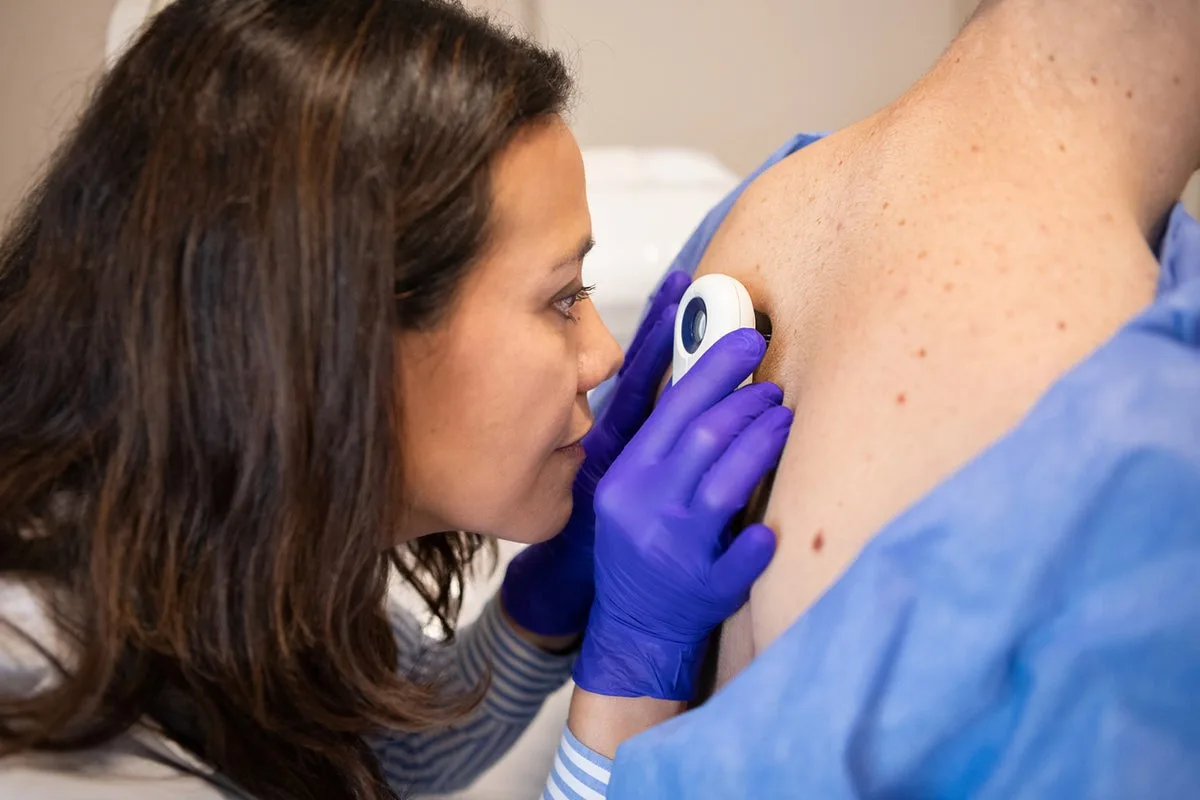
Gut Bacteria Predicts Skin Cancer Recurrence with 94% Accuracy, Study Reveals
Gut Bacteria Predicts Skin Cancer Recurrence with 94% Accuracy

Gut Bacteria Predicts Skin Cancer Recurrence with 94% Accuracy, Study Reveals

A person's gut bacteria could determine their risk of skin cancer recurrence after treatment, according to a new study published in the journal Cell. Researchers from NYU Langone Health and its Perlmutter Cancer Center analyzed stool samples from 674 melanoma patients enrolled in a global clinical trial, finding that differences in key bacterial groups predicted recurrence with remarkable precision.

The Gut-Immune Connection in Cancer Treatment

Melanoma, a type of skin cancer often linked to sun exposure, affects thousands annually. Between 25 to 40 percent of melanoma patients experience recurrence after surgery and immunotherapy, according to NYU Langone Health. Immunotherapy works by helping the immune system destroy cancerous cells, but its effectiveness varies widely among individuals.

The study highlights how trillions of bacteria in the digestive tract train the immune system to distinguish between harmful and beneficial microbes. These bacterial groups interact with immune cells, influencing patient responses to immunotherapy. This connection explains why gut microbiome composition serves as a powerful predictor of treatment outcomes.

Wide Pickt banner — collaborative shopping lists app for Telegram, phone mockup with grocery list

Geographic Variations in Bacterial Markers

Researchers discovered a significant catch: bacterial markers that signal recurrence risk differ depending on where patients live. The study included participants from North America, Eastern Europe, Western Europe, Australia, and other regions. All patients had tumors surgically removed and received either combination immunotherapy (nivolumab and ipilimumab) or nivolumab alone.

By grouping patients based on gut microbiome similarity, researchers identified distinct bacterial "fingerprints" for each region. For example, a signature derived from North American patients accurately predicted recurrence in patients from other parts of the world, but only if those patients shared similar bacterial profiles. This geographic dependency underscores the complexity of microbiome-based diagnostics.

Clinical Implications and Future Applications

Dr. Jiyoung Ahn, senior author and professor at NYU Grossman School of Medicine, stated, "Our study identified for the first time gut bacterial types that can serve as markers of increased recurrence risk in these specific patients, which will help tailor treatment." This breakthrough could revolutionize personalized cancer care by enabling more reliable prognoses before therapy begins.

Dr. Richard B. Hayes, another study author, envisions a future where clinicians analyze a patient's microbiome before treatment, compare it to a global database, and provide tailored therapy guidance from the start. Such an approach could improve outcomes for melanoma patients worldwide, reducing recurrence rates and enhancing survival.

The study's findings pave the way for integrating microbiome analysis into standard cancer care protocols. As research continues, scientists hope to develop targeted interventions that modulate gut bacteria to boost immunotherapy efficacy, offering new hope for patients battling this aggressive form of skin cancer.

Pickt after-article banner — collaborative shopping lists app with family illustration




