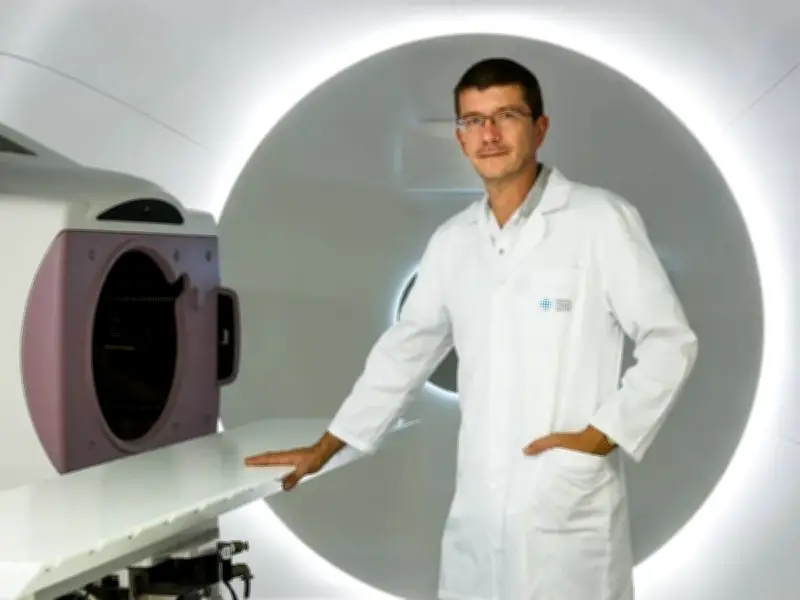
Following Pope Leo XIV's lung cancer diagnosis, an oncologist has urged people not to dismiss persistent symptoms. Dr Jiri Kubes of the Proton Therapy Center in Prague said recognising changes in health is important, even if they initially seem minor.
The 71-year-old pontiff was diagnosed with lung adenocarcinoma after doctors spotted an abnormality during routine abdominal examinations. His surgeon, Professor Stefano Margaritora, revealed the discovery was accidental and that the Pope had felt perfectly well, with no respiratory symptoms.
Pope's Surgery and Recovery
The Pope underwent surgery to remove the lower lobe of his right lung and made his first public appearance following the operation on Sunday, October 18.
Dr Kubes said: “Lung cancer does not always cause obvious symptoms in its early stages. That can make it difficult to detect and it is one reason why people should not dismiss persistent or unusual changes in their health.”
Seven Warning Signs to Watch
According to the NHS, symptoms can vary and some people may have none in the early stages. Warning signs include a cough that will not go away, coughing up blood, breathlessness, repeated chest infections, unexplained weight loss, persistent chest or shoulder pain, and constant tiredness or loss of appetite.
A cough lasting more than three weeks should be checked by a GP, particularly if it is getting worse or has changed from a usual cough. Even small spots or streaks of blood in phlegm need urgent medical advice.
Advice for the Public
Dr Kubes added: “Having one or more of these symptoms does not mean you have cancer. However, if something persists, gets worse or feels unusual for you, do not simply wait for it to disappear.”
He also noted that lung cancer can affect people who have never smoked, and that smoking is the biggest risk factor but not the only one. The NHS advises anyone with a cough lasting longer than three weeks or other possible symptoms to contact their GP.