With the Christmas festivities concluded, many UK households are facing a fridge full of holiday leftovers. The temptation to share the seasonal bounty with our canine companions can be strong, but experts warn that doing so without caution can have serious consequences for a pet's health.
Festive Foods That Pose a Deadly Risk
Paul Manktelow, the head veterinarian at the nationwide pet charity Blue Cross, has issued a crucial warning to dog owners. He stresses that several common Christmas ingredients are highly toxic to pets.
"Common Christmas foods and ingredients including chocolate, raisins, grapes, onions, garlic, and alcohol can all make pets ill and sometimes even be deadly," Manktelow explained. He highlighted the particular danger of raisins, noting that even a very small quantity can cause kidney failure in some dogs. This means treats like mince pies and Christmas pudding must be kept strictly off-limits.

The vet also cautioned that determined pets will not be stopped by packaging, sharing an alarming example. "Our teams treated a cat who had broken into his owner's Christmas hamper and devoured half a boozy fruit cake," he revealed, underscoring the need to store hazardous items securely.
The Safe List: Dog-Friendly Christmas Treats
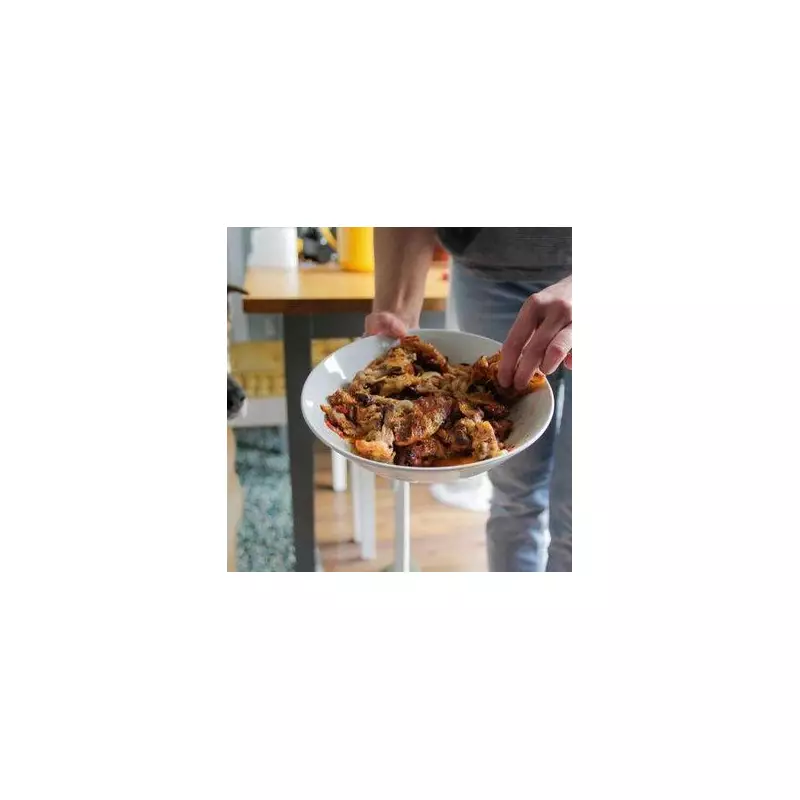
For owners who still wish to offer their dog a special festive morsel, Manktelow has provided a list of eight generally safe leftovers. However, he emphasises that these should be plain, prepared without added fats, seasonings, or sauces.
- Turkey meat (must be free of skin and bones)
- Green beans
- Brussels sprouts
- Parsnips
- Carrots
- Peas
- Swede
- Mashed potato (without butter or milk)
A critical note on meat: any shared turkey or chicken must be completely bone-free. Cooked bones can splinter and cause choking or serious internal blockages, potentially requiring emergency surgery.
Moderation is Key to Avoiding Tummy Trouble
Even when sticking to the 'safe' list, portion control is vital. Manktelow points out that a sudden change in diet or simple overindulgence is a common cause of post-Christmas vet visits.
"The commonest problems are caused by sudden changes in diet or over-eating and it's quite common to see tummy upsets in the days following Christmas," he said. While most cases are not severe, an especially rich or fatty meal can trigger pancreatitis, a painful and potentially life-threatening condition for dogs.
Research by retailer M&S indicates that 36% of pet parents admit to spoiling their animals with extra treats over the holidays. To those who recognise themselves in this statistic, Manktelow's advice is clear: the safest option is to stick to your pet's regular diet. If you do offer treats, keep them small, bland, and limited to items like plain turkey meat.
By following this expert guidance, you can ensure your four-legged family member enjoys the holiday season safely, without any unexpected trips to the veterinary clinic.