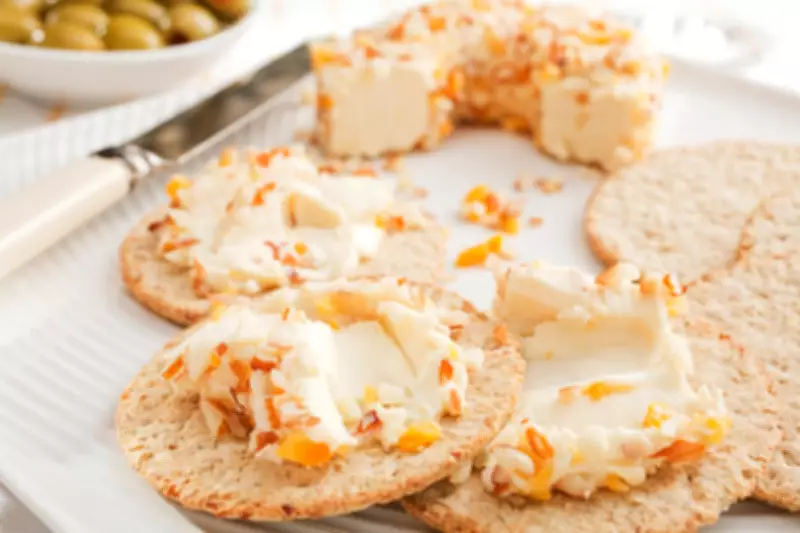
A significant food safety alert has been issued across the United States, with more than a dozen flavours of cream cheese being urgently recalled due to potential contamination with Listeria monocytogenes. The recall, initiated by Made Fresh Salads, has been classified as a Class I recall by the US Food and Drug Administration (FDA), representing its most serious level of alert.
Serious Health Risks Identified
The FDA has stated that this recall indicates a reasonable probability of serious adverse health consequences or death if the contaminated products are consumed. Listeria infection is particularly dangerous for vulnerable populations, including young children, elderly individuals, people with weakened immune systems, and pregnant women. For expectant mothers, the risks can extend to miscarriages and stillbirths, making this recall especially critical for public health.
Cause of Contamination and Distribution Details
The recall was triggered after routine sampling detected Listeria monocytogenes contamination on a component of a mixer used in the cream cheese production process. This discovery prompted immediate action to prevent further distribution and consumption of the affected products.

The cream cheese items subject to recall have expiration dates up to 27 February and were distributed to retail stores and distributors primarily in New York City. Consumers who have purchased these products are strongly advised to return them to the point of purchase for a full refund to avoid any potential health hazards.
FDA's Class I Recall Explained
A Class I recall is the FDA's highest level of urgency, reserved for situations where there is a significant likelihood that using the product will cause serious health problems or death. This classification underscores the severity of the contamination and the importance of heeding the recall notice.
Health experts are urging the public to check their refrigerators for any cream cheese products from Made Fresh Salads and to follow the recall guidelines meticulously. The swift response aims to mitigate risks and protect consumers from the potentially deadly consequences of Listeria exposure.