Scientists Champion Offal as Sustainable Superfood for Britain
Liver, heart, tongue, and kidneys should become dietary staples for Britons if we are serious about saving the planet, according to groundbreaking research from Aberystwyth University. These so-called 'forgotten meats' could represent Britain's next big superfood, offering a potent combination of affordability and nutritional density that has been largely overlooked in modern diets.
The Decline of Traditional Offal Consumption
Offal was once a regular feature in British culinary traditions, with dishes like 'brawn' (a terrine made from pig's head) and 'chitterlings' (plaited pigs' intestines) appearing frequently on dinner tables. However, over recent decades, these nutrient-rich foods have dramatically fallen out of favour with contemporary consumers.
'Where they are not being used, these nutrient-dense "forgotten meats" represent a significant loss of nutrients from our food chain and could instead be used to support human dietary health when incorporated as part of a balanced diet,' explained Dr Siân Mackintosh, one of the lead researchers on the project. 'There could also be environmental benefits and less food waste if these meats were eaten more regularly.'

Research and Consumer Response
The research team has been collaborating with Meat Promotion Wales (HCC) to investigate why offal consumption has declined and explore strategies to increase its popularity. As part of their comprehensive study, the team assessed consumer reactions to various lamb's liver dishes, including stroganoff, faggots, and pâté.
'Consumers liked the flavour and were keen to find out more about recipes and cooking methods, as well as the value that it can offer,' reported Dr Eleri Thomas, Future Policy and Project Development Executive at HCC. 'By exploring ways of optimising the use of nutrient-rich undervalued lamb cuts, the aim is to increase the sustainability of the supply chain, reduce waste and guide new marketing opportunities.'
Environmental and Health Benefits
While modern British meat-eaters typically consume only muscle tissue, reintroducing offal offers multiple positive impacts. Tennessee Randall, a PhD candidate in social psychology at Swansea University, recently highlighted these advantages in The Conversation.
'Eating more offal could lower the number of animals that are killed for food and so the greenhouse gases produced by the meat industry,' Randall explained. 'Offal also has potential health benefits. It's packed with protein, vitamins, minerals and essential fatty acids and often contains more nutrients than the meat that we would usually eat.'
Nutritional comparison example:
- 100 grams of liver provides approximately 36% of recommended daily iron
- The same amount of minced meat provides only about 12%
Overcoming Psychological Barriers
Despite clear benefits, convincing people to incorporate offal into their diets presents significant challenges. 'Typically, people who haven't tried offal are disgusted by the thought of eating it and often consider it to be contaminated,' Ms Randall noted. 'Others are put off because they just don't know how to make a tasty meal that their children will also eat.'
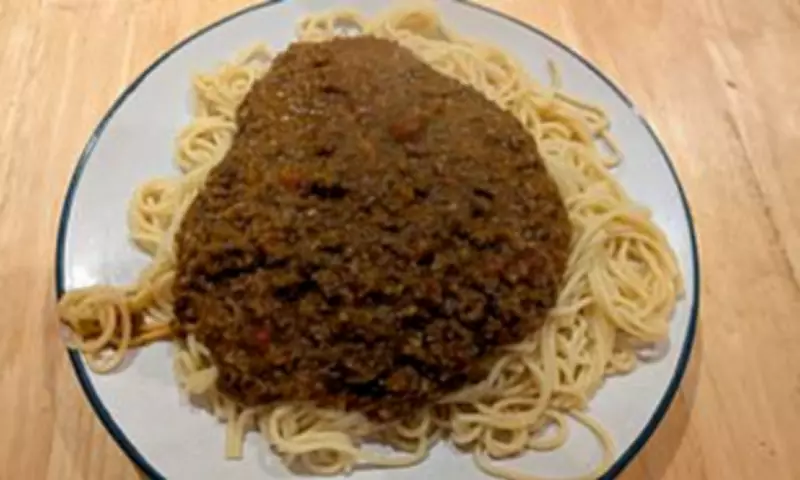
Rather than presenting whole organs, researchers suggest incorporating offal into familiar dishes. A recent study of 390 UK meat eaters found that offal-enriched mince proved popular in comfort foods like spaghetti Bolognese, meatballs, burgers, and shepherd's pie.
Affordability and Perception Issues
One of offal's most compelling advantages is its price point, with forgotten meats often costing significantly less than popular muscle cuts. However, this affordability can create misperceptions about quality.
'In reality, eating more of the animal could support a healthy diet and could be a more achievable recommendation for sustainable eating, especially for the men who love their meat,' Randall added, emphasising that nutritional value doesn't correlate with price.
Traditional British Offal Dishes
Examples of classic preparations:

- Brawn: A terrine using pig's head
- Chitterlings: Pigs' intestines plaited before cooking
- Faggots: Made with pork offal wrapped in caul fat
- Haggis: Savoury pudding made from sheep's stomach with organ meats
The research presents a compelling case for reconsidering our relationship with animal products, suggesting that embracing traditionally overlooked cuts could benefit both personal health and planetary sustainability.