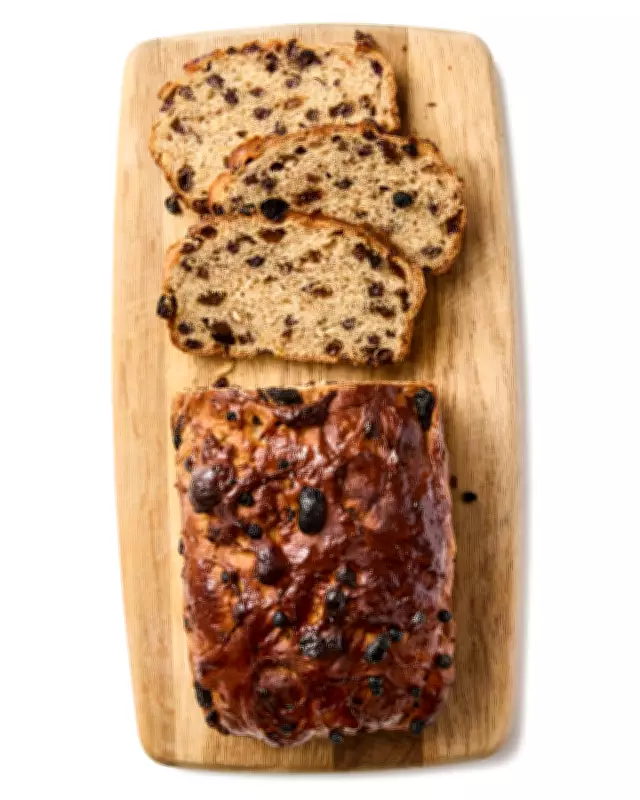
Perfect Bara Brith: A Welsh Fruit Loaf Masterclass
Bara brith, the traditional Welsh fruit loaf whose name translates to "speckled bread," is a beloved treat often paired with strong tea and cold salty butter. Similar to Yorkshire brack, Irish barmbrack, and Scottish "kerrie loaf," this delicacy has roots that food writers Laura Mason and Catherine Brown date to the early 20th century, though records from Seren Cymru in 1857 suggest it was eaten before school exams in Bala, Gwynedd. Originally made from excess bread dough, bara brith has evolved into a standalone delight that requires no such justification.
The Raising Agent Debate
The biggest divide in bara brith recipes lies in the raising agent. Historically, yeast was common until the mid-20th century, but chemical agents like baking powder gained popularity, with an early example from Miss AM Davies in 1946. While baking powder offers moist, reliable results—as seen in Elizabeth Luard's squidgy version—yeast, used by chefs like Bryn Williams and Regula Ysewijn, provides a lighter, chewier crumb ideal for buttered tea slices. Many argue that yeast-based recipes better preserve bara brith's bread-like qualities, distinguishing it from fruit cakes.
Flour and Fat Choices
Flour selection varies, with most recipes calling for standard flour, though Bobby Freeman recommends wheatmeal flour for a robust texture. A mix of strong white and wholemeal flour can enhance flavour and lightness, but adjustments to buttermilk may be needed with wholemeal due to higher liquid absorption. For fat, lard or butter is common, with lard offering softness and butter superior flavour. Eggs alone suffice in some recipes, but vegans can opt for plant-based alternatives like margarine.

Sugar, Fruit, and Soaking Techniques
Sugar levels range from minimal to moderate, with dark brown sugar or molasses adding a treacly edge. Dried fruit typically includes currants and sultanas, though variations with dates or apricots are popular. Soaking fruit in tea, now a defining step, imparts squidginess, though early recipes omit this. Earl grey tea adds a citrus tang, but fruit should be patted dry to avoid overly sticky dough. Spices like mixed spice or caraway seeds enhance flavour, but should be added with fruit to avoid inhibiting yeast.
Perfect Bara Brith Recipe
Prep: 15 min Soak: 2 hr+ Rise: 1 hr 30 min+ Cook: 40 min Makes: 1 loaf
- 75g sultanas
- 75g currants
- 25g candied peel
- 150ml hot earl grey tea
- 150g strong white flour
- 100g strong wholemeal flour
- 7g quick yeast
- 50g dark brown sugar
- ½ tsp fine salt
- 30g lard or butter, melted
- 150ml buttermilk or milk
- ½ tsp caraway seeds (optional)
- ½ tsp mixed spice
- 1 tbsp honey for glaze
Soak dried fruit and peel in hot tea for hours or overnight, then drain. Mix flours, yeast, sugar, and salt in a bowl. Add cooled fat, reserved tea, and buttermilk to form a dough. Let rise for an hour, then knead in dried fruit and spices. Prove in a greased loaf tin until risen, bake at 200C for 40 minutes, and glaze with honey. Serve cooled for best texture.
Whether you prefer a sweet, cakey version or a plain, yeasted traditional loaf, bara brith offers a versatile baking challenge. Share your preferences and recommendations for trying this Welsh classic professionally.