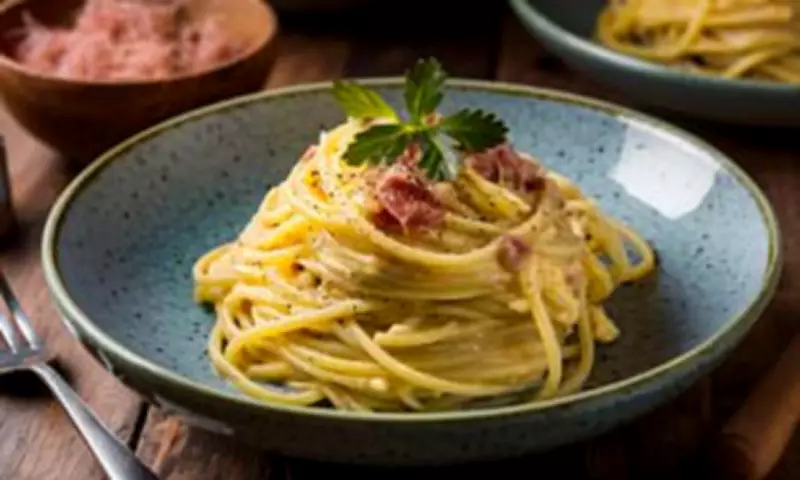
Pasta's Health Benefits Revealed: Debunking Diet Myths with Expert Advice
Few dishes offer as much comfort as a simple bowl of pasta, yet it remains one of the most misunderstood foods in healthy eating circles. For years, pasta has been unfairly cast as a dieter's enemy, blamed for weight gain, bloating, and post-meal fatigue. However, nutrition experts assert this is a widespread misconception. In reality, pasta can be a valuable component of a balanced and satisfying meal when combined with appropriate ingredients.
Nutritional Value of Pasta: Beyond Carbs and Calories
Nutritionally, pasta serves primarily as a source of carbohydrates, which the body converts into glucose for energy and muscle support. Wholewheat varieties provide additional fibre, while gluten-free options made from lentils and chickpeas offer higher protein levels. Regardless of type, pasta pairs effectively with vegetables, healthy fats like olive oil, and proteins such as legumes, seafood, or lean meat to create filling, balanced meals.
Registered dietitian Nichola Ludlam-Raine told the Daily Mail: 'Pasta can be part of a weight-loss diet when portions are sensible and meals are balanced. Serve it with a tomato-based sauce, lean protein, fibre-rich vegetables or salad, and healthy fats such as a little extra virgin olive oil to improve fullness.'

Key Nutrients and Fortification in Pasta
Beyond carbohydrates and fibre, pasta contains various vitamins and minerals, making it useful in a balanced diet. Most white pasta sold in the UK is fortified during production, adding back B vitamins and iron lost in wheat refinement. Ludlam-Raine explains: 'Pasta provides carbohydrates for energy along with B vitamins such as thiamine and folate, iron and small amounts of protein.' Wholegrain versions also include more fibre, magnesium, and antioxidant plant compounds.
Carbohydrates fuel the brain, muscles, and nervous system, explaining pasta's popularity among athletes. When cooked, pasta absorbs water, reducing nutrient concentration per gram. Dry white pasta typically has 70g to 75g of carbohydrates per 100g, dropping to 25g to 35g once cooked. Wholewheat pasta offers similar carbs but significantly more fibre—6 to 9 grams per serving versus 4 grams in white pasta, contributing up to a third of the NHS's daily 30g recommendation.
Fibre Content: Wholewheat vs. White Pasta
White pasta is made from refined wheat, stripping outer layers rich in fibre and micronutrients. In contrast, wholewheat pasta uses the entire grain, retaining natural fibre, vitamins, and minerals. The extra fibre aids digestion, stabilises blood sugar levels, and enhances satiety.
Calories, Fat, and Portion Control
Plain dried pasta is naturally low in fat, typically containing only wheat and water. Fresh egg pasta has slightly more fat from eggs but remains modest. Calories often stem from additions like creamy sauces, cheese, or oils. Ludlam-Raine advises: 'Once you start adding rich sauces and large amounts of cheese, butter or processed meats, the calorie count quickly rises. Opting for tomato-based sauces, olive oil in moderation and plenty of vegetables can help keep pasta meals lighter but still filling.'
A typical 75g dried pasta serving provides about 270 calories, roughly 10% of an adult's daily intake. Portion size is crucial, as restaurant servings often double recommended amounts, increasing calorie intake significantly.
Pasta in Weight-Loss Plans and Digestive Health
Portion control and meal balance are key for healthy eating or weight loss. Ludlam-Raine recommends: 'A typical portion is around 75g dried pasta per adult, which cooks to roughly 180–200g.' Pairing pasta with vegetables, lean proteins, and healthy fats creates a balanced meal that slows digestion and prolongs fullness.
Bloating after pasta may link to digestive conditions like coeliac disease or sensitivity to FODMAPs—fermentable carbohydrates in wheat. Ludlam-Raine notes: 'Some people may feel bloated after pasta because wheat contains fermentable carbohydrates that can trigger digestive symptoms in sensitive individuals, particularly when eaten in large amounts.' Cooking pasta al dente or cooling it increases resistant starch, aiding energy stability and gut health.

Gluten-Free Alternatives and Pasta Shapes
For those with coeliac disease or wheat intolerance, alternatives include chickpea, lentil, or split pea pastas, which offer more protein and fibre. Rice and quinoa pastas provide milder flavours and textures similar to traditional pasta.
Regarding shapes, Ludlam-Raine states: 'There isn't a nutritionally 'healthiest' pasta shape. The differences are mostly culinary and relate to how well sauces cling rather than changing nutritional value.' Ridged shapes like penne hold thicker sauces, while spaghetti suits lighter ones.
Pasta vs. Gnocchi: Nutritional Differences
Traditional pasta uses wheat flour and water, whereas gnocchi combines potatoes with flour, resulting in a softer, starchier texture. Ludlam-Raine explains: 'Gnocchi tends to be softer and slightly higher in starch but often lower in protein than traditional pasta.' This makes gnocchi feel heavier, often leading to smaller portions.