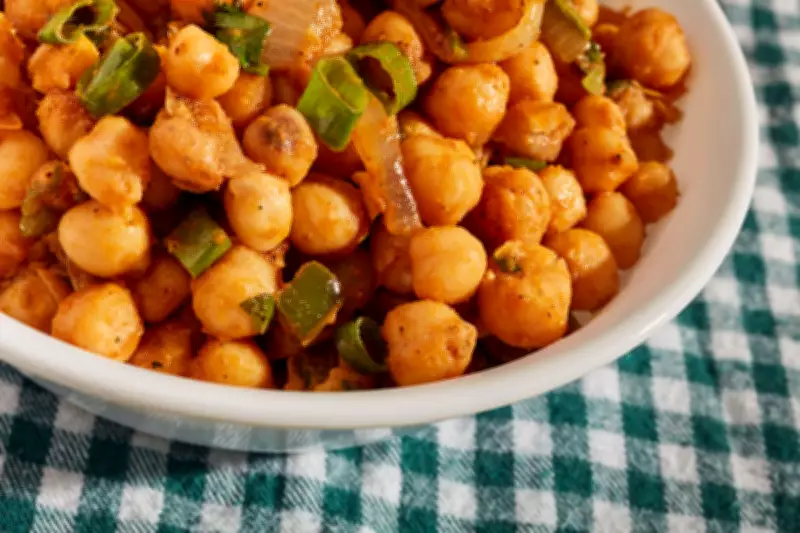
A diet abundant in lentils, chickpeas, beans, and soy could significantly lower the risk of developing high blood pressure, with new research suggesting a reduction of nearly one-third. Scientists indicate that optimal daily consumption includes roughly 170 grams of beans, lentils, and chickpeas, along with 60 to 80 grams of soy-based products such as tofu and edamame.
Study Findings
The findings, published in the journal BMJ Nutrition Prevention and Health, pooled data from 12 existing studies. They revealed that individuals who consumed the highest amounts of legumes and soy experienced a 16% and 19% lower risk of high blood pressure, respectively, compared to those with the lowest intake. Overall, the analysis calculated a 30% risk reduction for legumes at the 170g daily level, and a 28-29% reduction for soy at 60-80g per day.
The researchers, including some from King's College London, noted that 100g of legumes is equivalent to approximately one cup or five to six tablespoons of cooked beans, peas, chickpeas, lentils, soybeans, or a palm-sized serving of tofu.

Mechanisms Behind the Benefit
Soy foods include tofu, soy milk, edamame, tempeh, and miso. The team explained: "Several potential mechanisms and components within legumes and soy foods may explain or contribute to the observed benefits on hypertension risk, including their content of minerals, fibre and bioactive compounds. Both legumes and soy are high in potassium and magnesium, which have demonstrated blood pressure-lowering effects. Legumes and soy are also rich in dietary fibre, which is linked to lower rates of hypertension and overall cardiovascular disease risk."
Current Consumption Patterns
According to the study, previous research has found a lower risk of heart disease with legumes and soy, but evidence relating to high blood pressure has been mixed. The team said: "Current legume consumption across Europe and the UK remains below dietary recommendations, with average intakes of only 8–15 g/day, far below the recommendations of 65 to 100 g/day recommended for overall cardiovascular health." They argued their "findings provide further evidence in support of dietary recommendations to the public to prioritise and integrate legumes and soy foods as healthy protein sources in the diet."
Expert Comments
Tracy Parker, senior dietitian at the British Heart Foundation (BHF), said: "This new study adds to the growing evidence that legumes and soy foods can support healthier blood pressure as part of a whole-food, plant-based diet. While the findings are observational and can't prove cause and effect, they reinforce existing UK guidance to eat more beans, lentils and other plant-based foods. Legumes and soy are naturally low in saturated fat and salt, and provide fibre, potassium, magnesium and plant proteins — nutrients known to help maintain healthy blood pressure. They also tend to replace less healthy options on the plate, which may contribute to the overall benefit. The amounts linked with lower risk in this study – around 170g per day of legumes and 60-80g per day of soy foods – make them an affordable and easy choice to incorporate into everyday meals. Simple swaps, like choosing beans, lentils, chickpeas or tofu in place of processed meats, can make a meaningful difference and help support healthier blood pressure as part of an overall balanced diet."
Maeva May, director of research at the Stroke Association, said: "Every day in the UK, 240 people are left with the life-changing consequences of stroke. We've known for a long time that a Mediterranean diet, rich in soy and legumes, reduces the risk of stroke. It protects heart and brain health by helping to prevent high blood pressure, which is the cause of around half of all strokes. We can help to manage our blood pressure by making small but important lifestyle changes, including modifying our diet to include more beans and soy, as this encouraging study finds. Ideally, this should be alongside regular exercise, not smoking or vaping, or drinking too much alcohol, to really minimise the chances of having a stroke. In addition to making lifestyle changes, we also encourage people to get their blood pressure checked regularly at the GP or pharmacy as high blood pressure often has no symptoms, yet it is the leading cause of stroke."