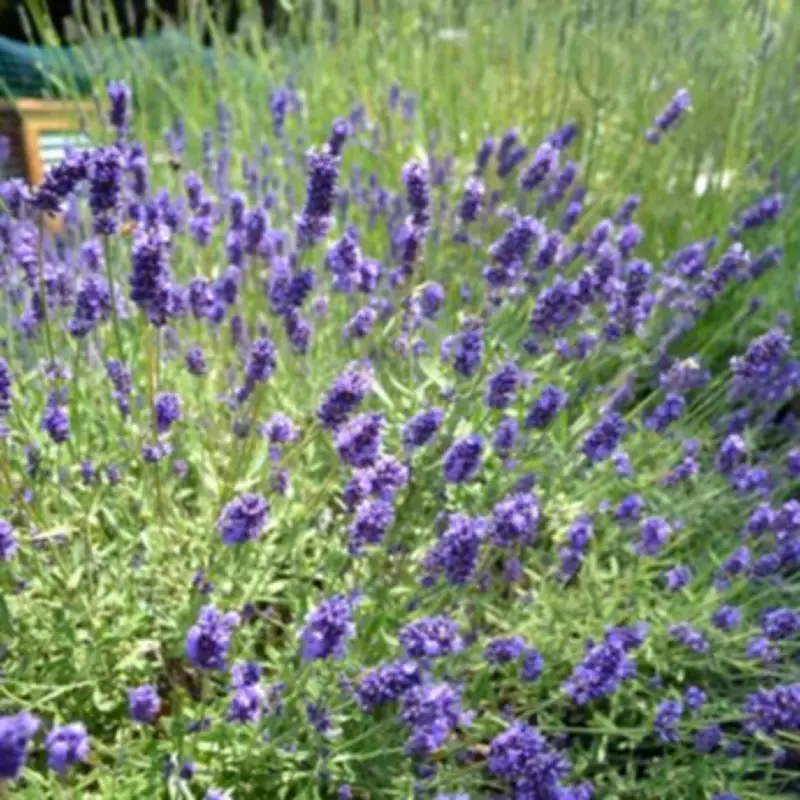
As the UK progresses deeper into May, lavender genuinely starts to flourish in gardens. The silvery foliage becomes denser and more delicate, the stems begin to stretch upwards, and you'll frequently notice the first buds beginning to form.
This is a stunning stage, possibly one of the most striking, but it's also a critical period for lavender. What you do now will substantially affect how your plant looks, grows and flowers during the summer months.
Weeding: The Simple Task That Makes a Difference
Pruning isn't the sole task required now to help lavender prosper – weeding is equally vital, according to specialists at Lowes Lavender Farm. As lavender starts to develop more vigorously in May, giving it adequate room becomes particularly important.

Taking a few moments to clear away any weeds or rival plants around the base proves worthwhile. Nothing overly demanding, simply a swift tidy-up to keep the area open and neat.
Why Weeding Matters
The lavender specialists said: "Weeding is important to ensure that weeds don't steal nutrients and water from your lavender plants." Weeding around your lavender plants may seem like a minor task, but it delivers results. Improved air circulation helps maintain lavender's health, particularly as temperatures climb, and it minimises the likelihood of problems later in the growing season.
There's also the aesthetic advantage – when the base is cleared, lavender truly displays its natural form, and the entire planting appears more deliberate and polished.
How to Remove Weeds Around Your Lavender Plants
The most straightforward approach to tackling weeds is to pull them out manually. This technique enables you to extract the entire plant, root system included, which prevents regrowth. The task is best carried out when the ground is damp, perhaps following rain or watering, as this makes complete removal considerably easier.
A hand fork or specialist weeding implement can prove useful for loosening the earth and extracting particularly stubborn weeds.
Preventing Weeds with Mulch
To stop weeds from appearing in the first place, consider covering the ground with mulch. A mulch layer prevents sunlight from reaching weed seeds, hindering their germination and development. Spread a layer of mulch around your plants during spring, before weeds get the opportunity to take hold.
Organic options such as bark chips, compost, straw, or leaf mould are particularly effective and will slowly decompose, enriching the soil.