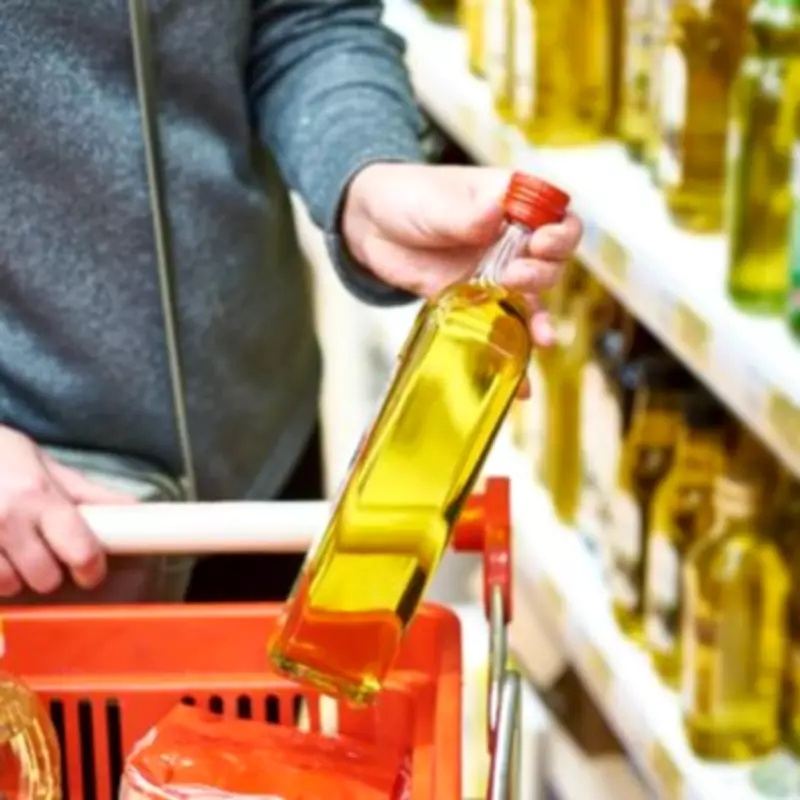
High-quality olive oil offers numerous health benefits and serves as a cornerstone of the renowned Mediterranean diet. Extra virgin olive oil, in particular, is packed with potential advantages, containing healthy monounsaturated fats that may combat inflammation and oxidative stress, as reported by Healthline.
It is also rich in essential vitamins, with just one tablespoon providing a significant dose of vitamins K and E. However, navigating the supermarket aisles for olive oil can be overwhelming due to the plethora of options available, making it challenging to identify genuine, high-quality products.
Expert Advice on Avoiding Common Pitfalls
Fortunately, a gut health expert has highlighted a critical mistake to avoid when buying olive oil: neglecting to scrutinise the label. According to the Express, clinical physiologist, TikToker, and gut health scientist Jordan Haworth, known as Mr Gut Health, has shared his insights based on years of documenting his Mediterranean diet journey.

Haworth emphasises three key factors to consider when selecting authentic olive oil, with the first being paramount for ensuring quality.
First Factor: Look for Extra Virgin Certification
The expert stated, "If it says extra virgin, then it's pretty much guaranteed." Extra virgin olive oil is unrefined, which helps preserve its natural flavour, vitamins, and minerals. It is produced without the use of heat or chemicals, maintaining its nutritional integrity and health benefits.
Second Factor: Check the Country of Origin
The second important aspect to examine is the olive oil's country of origin, which should be clearly displayed on the label. Haworth illustrated this by holding up a bottle of Filippo Berio variety, explaining, "Some EVOO [extra virgin olive oils], like this one, uses olives from different countries."
He added, "Whilst oil from one country might be better for traceability, using olives from different countries is fine," reassuring consumers that multi-origin oils can still be of high quality.
Third Factor: Verify the Production Process
The third and final consideration involves a crucial statement typically found on the back of the bottle, detailing the production process. Haworth noted, "Superior category olive oil obtained directly from olives and solely by mechanical means."
This phrase ensures that the oil has been extracted properly to preserve its nutrients. Additionally, he clarified, "And FYI [for your information], you can cook with EVOO, and it's much healthier to use than butter or tallow," debunking common myths about cooking with olive oil.
By following these three label checks, shoppers can make informed decisions and select authentic, high-quality olive oil that supports their health and dietary goals.