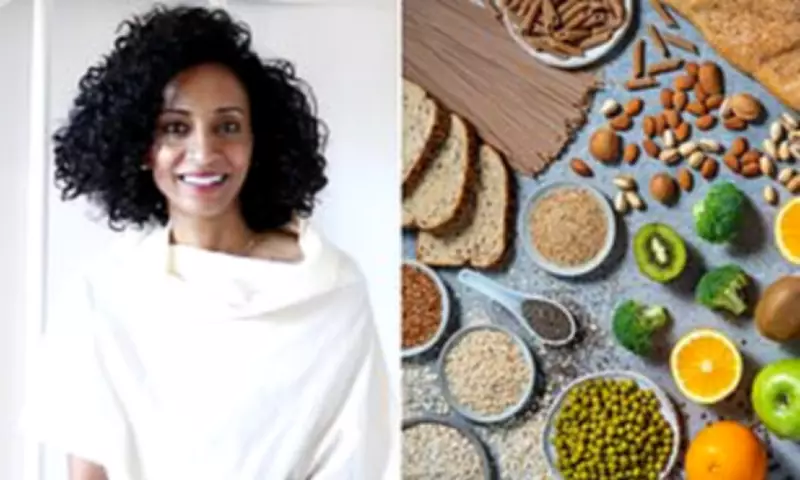
Hot flushes, night sweats, and a depleted libido already take their toll, but diet can play a powerful role in easing some of the most disruptive menopause symptoms, according to Dr Linia Patel, a women's health dietitian and author of Food For Menopause.
Numerous studies have found that diet may influence menopause, even delaying its onset. Research in 2018 showed that women who regularly ate oily fish experienced menopause nearly three and a half years later than average, while daily consumption of legumes delayed it by around a year.
Gut Health and Menopause
Dr Patel believes that eating foods that benefit the gut microbiome is one of the most effective ways to manage early menopause symptoms. 'Having a diverse gut microbiota helps you thrive,' she explains. As women go through menopause, if they are not proactive about nurturing their gut microbiota, there is a decline in diversity, which impacts overall health and gut function.

Many women complain of bloating and digestive discomfort during menopause, often attributing it to food intolerances. However, Dr Patel notes that these gastric problems stem from an imbalance of gut bacteria. An unbalanced microbiome can also increase inflammation, colloquially known as 'leaky gut', where the intestinal lining becomes more porous, allowing inflammatory markers to enter the bloodstream.
Dietary Swaps for Symptom Relief
Dr Patel recommends small but deliberate food swaps to improve gut health. Instead of cutting carbohydrates entirely, she advises focusing on less refined options to stabilise blood sugar, improve energy, and reduce cravings. Key changes include:
- Swap sugary cereals for muesli or overnight oats
- Exchange white bread for wholegrain or sourdough
- Replace white rice with brown, red, black rice, or quinoa
- Choose oatcakes or dark rice crackers over low-fibre rice cakes
- Limit fruit juice and eat whole fruit for more fibre
'Fibre helps fill you up, so the more of the right things you eat, the less of the unhealthy foods will fall off the plate naturally,' she adds.
Protein and Hydration
Women often do not eat enough protein, especially at breakfast. Protein takes longer to digest, keeping you fuller for longer and stabilising blood sugar. Dr Patel suggests eggs, Greek yoghurt, or scrambled tofu instead of Marmite on toast or sugary cereals. Adding nuts, seeds, beans, and legumes also boosts protein and fibre intake.
Hydration is another critical factor. 'Your body is 75 per cent water, your brain is 85 per cent water. Mild dehydration impairs clarity, mood, digestion, and may worsen hot flushes,' she says.
Phytoestrogens and Lifestyle
For hot flushes, Dr Patel first addresses hydration and blood sugar control, then recommends eating more plant oestrogens (phytoestrogens) found in soy-based foods like tofu, soy milk, and edamame beans. Research suggests women in Asian countries with high soy intake report fewer menopause symptoms, though benefits depend on gut health. 'The healthier your microbiome, the lesser the risk of some symptoms,' she explains.
She also advises reducing caffeine and alcohol intake, managing stress, and wearing lightweight clothing to minimise flushing.
Dr Patel emphasises focusing on these simple dietary and lifestyle basics rather than turning to supplements or menopause-branded snacks. 'What we need to get better at is focusing on the pillars of menopause that we know are simple and be consistent with doing them,' she concludes.