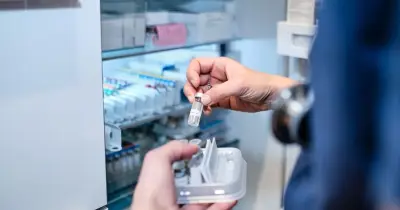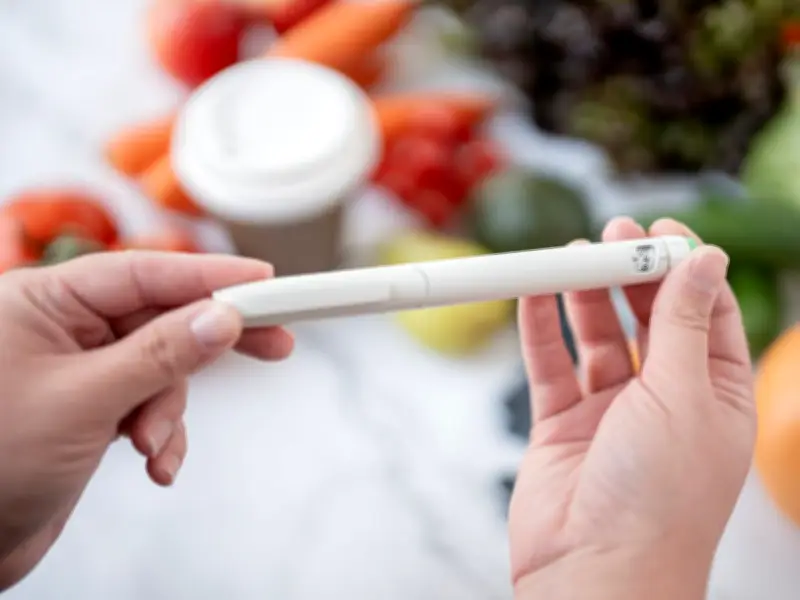
As more people begin taking GLP-1 weight-loss medications such as Wegovy and Mounjaro, healthcare professionals are warning that eating less doesn't automatically mean eating better. While the medications are highly effective at reducing appetite and supporting weight loss, experts say many patients unknowingly consume too little protein and too few essential nutrients, increasing the risk of losing lean muscle alongside fat.
According to Sobia Qasim, Superintendent Pharmacist at Curely, preserving muscle during weight loss is just as important as losing body fat, with poor nutrition potentially affecting long-term health. Muscle mass naturally declines with age in a condition known as sarcopenia, and building strong nutritional habits while losing weight can help support muscle strength and mobility in later life.
Sobia says the challenge isn't simply eating fewer calories. It's making every bite count. "One of the biggest misconceptions is that weight-loss medication does all the hard work. While these medicines help reduce appetite, they don't replace the need for good nutrition," she said.
"When you're naturally eating much smaller portions, every meal becomes more important. The goal shouldn't just be to lose weight, it should be to lose body fat while preserving muscle, strength and overall health. Many people focus solely on the number on the scales, but without enough protein and key nutrients, you may also lose lean muscle during the process."
That's why choosing nutrient-dense foods is so important. Rather than relying on large meals, Sobia recommends choosing foods that deliver high levels of protein, calcium, fibre and healthy fats in relatively small portions.
10 foods pharmacists recommend while taking GLP-1 medication
- Edamame beans. A small bowl provides around 17g of protein, along with fibre, magnesium, and iron, making it ideal when appetite is reduced.
- Sardines. Rich in protein, calcium, vitamin D and omega-3 fatty acids. One of the most nutrient-dense foods for supporting both muscle and bone health.
- Skyr yoghurt. Naturally high in protein while remaining relatively low in sugar and calories, making it more filling than many standard yoghurts.
- Pumpkin seeds. Packed with magnesium, zinc, healthy fats and protein to support muscle function and recovery.
- Calcium-set tofu. Delivers both plant protein and calcium, making it an excellent option for vegetarians and vegans.
- Lentil pasta. Contains considerably more protein and fibre than traditional pasta while still being an easy swap for familiar meals.
- White beans. A surprisingly good source of protein, fibre and calcium that can be added to soups, stews and salads.
- Chia seeds. Tiny but rich in fibre, calcium and omega-3 fatty acids. Easy to sprinkle over yoghurt or porridge.
- Tinned salmon (including the soft bones). Provides high-quality protein alongside naturally occurring calcium and vitamin D.
- Quark. Often overlooked, quark is exceptionally high in protein while remaining low in fat, making it a useful snack or breakfast option.
Sobia says these foods can help patients meet their nutritional needs without forcing themselves to eat large meals. She said: "People often assume they need huge portions of chicken or protein shakes, but many simply don't feel hungry enough for that while taking GLP-1 medication."
"Choosing foods that pack a lot of nutrition into relatively small portions can make a real difference. Ingredients like sardines, Skyr yoghurt, edamame and pumpkin seeds provide protein and important nutrients without requiring large meals."
Simple food swaps that increase nutrition without increasing portion size
- Instead of white pasta, try lentil pasta. Why? More protein and fibre to help support muscle and fullness.
- Instead of flavoured yoghurt, try plain Skyr with berries. Why? Higher protein and less added sugar.
- Instead of crisps, try roasted edamame. Why? A protein-rich snack with added fibre.
- Instead of cream cheese, try quark or cottage cheese. Why? Significantly more protein for a similar serving size.
- Instead of white rice, try quinoa. Why? More protein, magnesium and fibre.
- Instead of butter on toast, try nut butter. Why? Adds healthy fats and a small protein boost.
- Instead of sugary cereal, try overnight oats with chia seeds. Why? More fibre and longer-lasting energy.
- Instead of fizzy drinks, try fortified milk or calcium-enriched soy drink. Why? Supports calcium intake while also providing protein.
However, Sobia says nutrition is only one part of maintaining muscle during weight loss. She said: "We also encourage patients to include resistance exercise where appropriate, whether that's weight training, resistance bands or bodyweight exercises. Muscle is incredibly important for long-term health, mobility and maintaining weight loss."
"Weight-loss medication should be viewed as part of a wider lifestyle approach rather than a standalone solution. Eating a varied, nutrient-rich diet and staying physically active will help patients get the greatest long-term benefit from treatment."
GLP-1 medications continue to become more widely available across the UK. Patients are urged to seek professional guidance throughout their treatment to ensure they continue meeting their nutritional needs while losing weight.