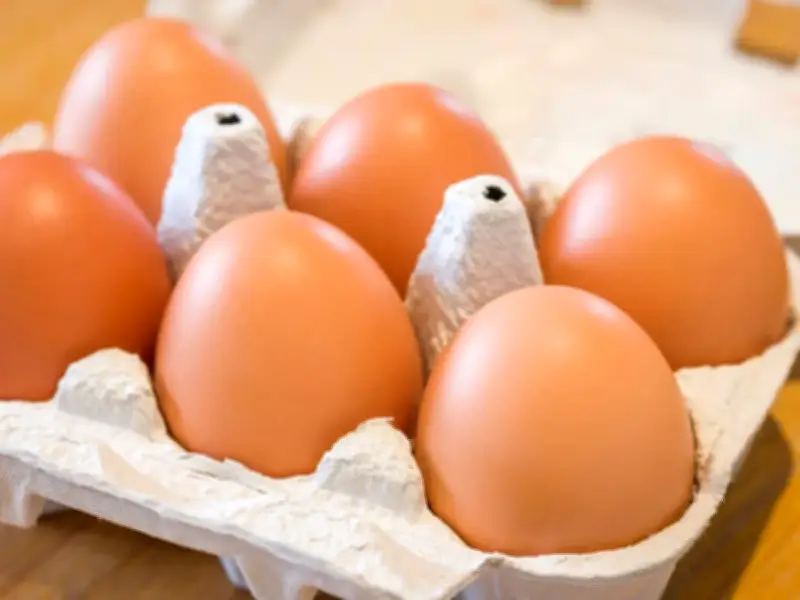
British Lion Eggs' Egg Info guidance says eggs belong in the fridge, not the cupboard, to keep them fresh for longer.
The advice states: "Store eggs at a constant temperature below 20°C - this maintains freshness and quality. The fridge is the best place to keep them in domestic kitchens."
Why fridge storage beats cupboards
Unlike in some countries, British supermarkets don't refrigerate eggs because they're sold unwashed, preserving the shell's natural protective coating, which allows them to sit safely at room temperature. However, once brought home, the fridge is the recommended spot.

Before cooking, eggs should be removed from the fridge roughly 30 minutes beforehand. Egg Info added: "Take them out of the fridge half an hour before cooking for the best results, otherwise the sudden change in temperature could crack the shell or lower its binding qualities in baking."
Keep eggs in original cartons
Within the fridge, eggs should be kept separated from raw meat and pungent foods. Leaving them in their original cartons helps them from absorbing odours from nearby items. Retaining the original packaging also makes checking the best before date far simpler.
Freezing eggs for later use
According to Egg Info, eggs can be frozen for up to 12 months, though using them within four months is advised to maintain optimal freshness.
The guidance explained: "Many people find themselves being left with spare egg whites or yolks after a recipe requiring just one or the other, or even throwing out unused eggs when the box hits its expiry date. This food wastage can be easily avoided by freezing eggs."
It's crucial to freeze eggs properly. They must be removed from their shells first, as both the white and yolk expand during freezing, potentially causing the shell to crack. Only freeze eggs that are fresh and in date. For whole eggs, whisk the white and yolk together before transferring into a freezer-safe container, mark it with the date, seal tightly and freeze.
For egg whites alone, simply pour them into a container, combine gently and seal. Yolks will become gel-like if frozen on their own, so add half a teaspoon of salt or one tablespoon of sugar per 240ml of raw egg. Egg Info noted: "Use according to whether you intend to use the egg contents for sweet or savoury purposes. This will stop the gelation of the yolks."
Frozen eggs must be completely defrosted before use and should only go into dishes that will be cooked thoroughly. Transfer the eggs from the freezer to the fridge and allow them to thaw overnight, then use them immediately once defrosted.