Millions of people are experiencing two or more symptoms of chronic inflammation, including joint or muscle pain, fatigue, low energy, brain fog, or headaches, according to new research. Chronic inflammation has been linked to serious long-term health conditions such as type 2 diabetes, cardiovascular disease, obesity, and cognitive decline.
The impact extends beyond physical discomfort. Nearly half of those affected report that inflammation-linked symptoms leave them with less energy, while 31% say symptoms negatively affect their sleep. More than one in five said symptoms prevent them from exercising, and 20% feel self-conscious due to inflammation-related issues.
Common Responses to Inflammation Symptoms
More than half of individuals simply rest or sleep when symptoms flare up, while 43% rely on over-the-counter pain relief. Only 21% actively change their diet to include foods known to support inflammation management.

The research also revealed confusion about which foods help reduce inflammation, particularly among younger adults. While turmeric, ginger, and leafy greens are recognized as anti-inflammatory, nearly a quarter admitted they do not know which foods are considered anti-inflammatory.
Dietitian's Recommendations
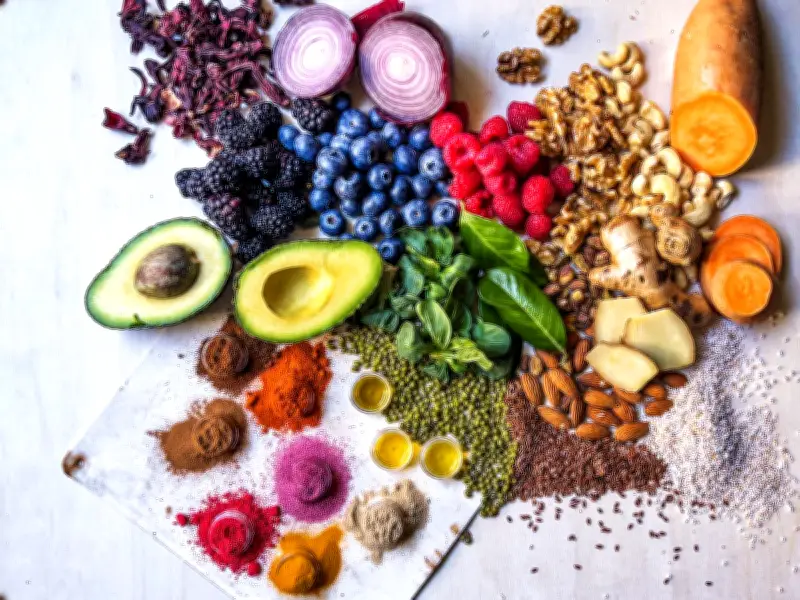
Dietitian Corrine Toyn from The Turmeric Co. explained: "Whole foods such as vegetables, fruits, wholegrains, legumes, nuts and seeds are rich in antioxidants, fibre, and healthy fats can help support the body’s natural inflammatory response. Adults are recommended to consume around 30g of fibre per day for general health, yet 96% of adults do not meet their fibre intake."
She added: "Omega-3 fatty acids found in foods such as walnuts and flaxseeds may help support the body’s inflammatory response by contributing to the production of compounds that help regulate inflammation. Meanwhile, colourful fruits and vegetables provide polyphenols and antioxidants that help protect cells from oxidative stress."
Role of Turmeric and Curcumin
Toyn highlighted the benefits of turmeric: "Incorporating spices such as turmeric into the diet may also help support inflammation management. Curcumin, an active compound in turmeric, has been widely studied for its anti-inflammatory and antioxidant properties that support immune function and recovery. However, curcumin is naturally difficult for the body to absorb, so formulations that enhance its bioavailability can help improve uptake and maximise its potential benefits."
Lifestyle Changes to Reduce Inflammation
Toyn also recommends reducing ultra-processed foods, managing stress levels, prioritizing rest and quality sleep, and exercising regularly. "Regular movement has been shown to help regulate inflammatory responses, improve circulation, and support immune function over time. This does not always mean intense training sessions. On the contrary, activities such as walking, cycling, swimming, yoga, or strength training a few times per week can all be beneficial. Balancing exercise with adequate recovery is equally important, as overtraining without sufficient rest may have the opposite effect on the body."
She concluded: "The body faces daily pressures, from stress and disrupted sleep to intense schedules and environmental challenges. Supporting recovery through nutrition and lifestyle habits can help maintain balance over time."