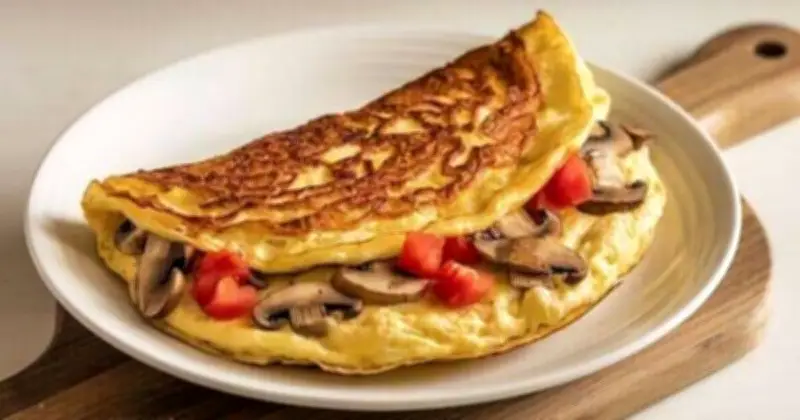
An omelette is a quick and easy dinner, but getting that smooth, creamy texture can be tricky. Cook the eggs for too long and your omelette can turn dry and rubbery. Chefs and cooking experts were asked exactly how to get it right. While their methods varied, every expert suggested one critical step: thoroughly beating the eggs before adding them to the pan.
Beating eggs is the essential step
Henry O'Connor, founder of UK egg brand Better Eggs, says beating the eggs properly helps make an omelette light and fluffy. He explained: "A well-whisked mixture introduces air, creating the light, fluffy texture that separates a great omelette from a flop." He also recommends seasoning the eggs at this stage so the flavour runs through the whole omelette.
O'Connor suggests cooking over a medium-low heat, allowing the eggs to "set gently so the omelette is tender and melt-in-the-mouth". He added: "Quick cooking may be convenient, but it sacrifices texture." He prefers butter to olive oil. "Melt until foamy, then pour in the eggs," he advises. "It should sizzle lightly, not aggressively."
His advice on fillings is to keep things simple: "A sprinkle of cheese, a handful of fresh spinach, a few sautéed mushrooms or a dash of hot sauce. Too much filling and your omelette becomes a mess, rather than a masterpiece."
Chefs share their preferred methods
Chef and restaurateur José Pizarro prefers to beat his eggs lightly for a silky texture. He said: "I whisk the eggs briefly, just enough to break them up. I like the texture, silky and natural, no over-whisking. I season at this stage with a pinch of salt so it dissolves properly."
His "lazy omelette" needs no folding, and he adds toppings rather than mixing fillings into the eggs. He explained: "For my lazy omelette, I keep everything as simple as possible. I heat a small non-stick pan with a little olive oil. While it warms, I whisk the eggs lightly, nothing too vigorous. When the oil is hot, I pour the eggs in and let them set gently. Once it's cooked but still soft on top, I simply slide it straight onto the plate. That's the whole point of the lazy omelette: no folding, no fuss." His favourite toppings include 5J jamón, a Spanish cured ham, and crisps for a salty crunch.
Barry D'Arcy, a private yacht chef and founder of Ocean Earth Chefs, uses three lightly beaten eggs at room temperature. He said: "When it comes to omelettes, technique matters rather than flair. A few simple steps can make the difference between rubbery and restaurant-quality. You will need three lightly beaten eggs at room temperature, a pinch of salt, a tbsp of creme fraiche and a tbsp of unsalted butter."
Heat a small non-stick frying pan over a medium heat. Add the butter and wait until it foams, but don't let it brown or burn. Pour in the eggs. Use a spatula to gently pull the mixture from the edges towards the centre, tilting the pan so the uncooked egg runs towards the sides. D'Arcy said: "As the eggs start to set, add the salt and creme fraiche. You could also add your favourite fillings at this stage, such as grated cheese, herbs, spinach, or roasted peppers." Then stop stirring, tilt the pan at a 45-degree angle and use the spatula to gently fold the omelette in half. It should look glossy, not brown. Serve straight away on a warm plate while the middle is still soft and creamy.
Classic and creative variations
Martyn Nail, culinary director at The Dorchester Hotel, recommends beating the eggs well with a large fork or whisk, then adding salt and pepper. He said: "The best method to cook an omelette begins with a good 20cm non-stick pan and three fresh Burford Brown eggs, beaten well with a large fork or whisk, and seasoned with salt and fresh pepper. Heat the pan and add 5g of fresh salted butter until it starts to foam, but make sure it does not burn. Pour the egg into the pan and allow it to sit for 30 seconds; this will start to form a shell in the pan."
Next, take the pan off the heat and quickly stir the set layer of egg with a large table fork to create a soft, creamy mixture. Move the pan on and off the heat to cook the eggs without browning them. Spread the mixture evenly and let it set into a thin outer layer around the soft centre. Gently tilt and tap the pan to help the omelette fold over itself. Nail says it should be cigar-shaped and an even pale yellow, with no lines or creases. The centre should be "baveuse" – a French term for a soft, slightly runny texture. Serve on a warm plate.
Michelin-recognised chef Simon Bonwick, who runs The Crown at Bray, also recommends beating the eggs with a fork before cooking. He uses three high-quality eggs, butter, cream and mushrooms. His preferred mushroom is the sweet, meaty cep, found in the woodlands around Marlow. There's no need to worry too much about choosing a pan, he says – use what you have. Mix the beaten eggs, cream, butter, salt and pepper in a bowl. Heat a thin layer of oil in your pan, then fry the thinly sliced cep until fragrant. Add the egg mixture, turn up the heat and stir quickly with a fork. Then let the omelette set briefly over a gentle, steady heat. Bonwick says how much colour you give the omelette is up to you. He recommends leaving the centre slightly underdone, as it will carry on cooking when you slide it onto the plate. Serve straight away. He suggests pairing it with a glass of Aligoté or a light, fruity Viognier.
Chef, author and Bindas founder Mehak Kansal grew up eating her father's masala omelettes. She said: "An omelette is one of those rare foods that feels like home - that pillowy, eggy hug that hits your soul at the end of a long day or greets you with warmth on a hopeful morning. In our home, omelettes mean a whole lot. My Papa used to make the most delicious masala omelettes whenever we were hungry growing up - simple, soulful, and filling."
Kansal skips the cream and milk, preferring an extra egg for richness and spices for a bold flavour. Beat two to three eggs in a bowl. Mix in a handful of mature cheddar, half a diced red onion, a few sliced cherry tomatoes and one or two finely chopped green chillies. Add a pinch each of chilli powder, ground cumin and turmeric, along with salt, pepper and a generous handful of freshly chopped coriander. Heat a generous spoonful of ghee in a frying pan over a medium heat until glossy and fragrant. Pour in the egg mixture and cook for a few minutes, until the bottom is golden and crisp. Carefully fold it over and cook the other side until just set and golden. Kansal said: "The omelette turns out perfectly crispy on the outside, slightly spicy and gorgeously cheesy, fluffy, fresh, and full of flavour. It's best served simply, with your favourite toasted, buttered bread and maybe a cup of chai on the side - pure comfort on a plate."