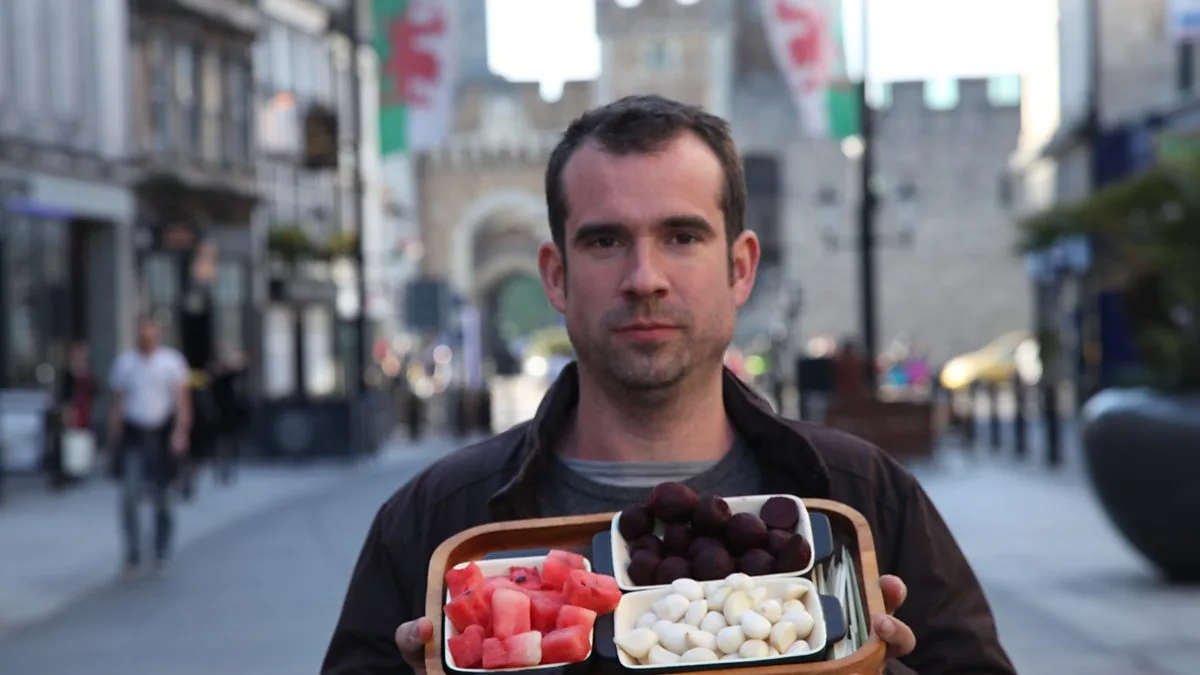
A BBC experiment has confirmed that beetroot and garlic can significantly lower blood pressure, potentially reducing the risk of heart attack and stroke by 10%. The study, featured on BBC Two's 'Trust Me, I'm a Doctor', tested the effects of beetroot, garlic, and watermelon on 28 volunteers with high blood pressure.
Dr Chris van Tulleken, who led the experiment, explained that all three foods work by dilating blood vessels, but through different mechanisms. Beetroot contains nitrate, which is converted into nitric oxide; garlic releases allicin, which affects kidney hormones; and watermelon provides L-citrulline, also boosting nitric oxide levels.
Volunteers consumed each food for a week, measuring their blood pressure twice daily. The average baseline reading of 133.6 mmHg dropped to 128.7 mmHg on beetroot and 129.3 mmHg on garlic. Watermelon had a smaller effect, reducing it to 129.8 mmHg, likely due to its high water content.

Dr Andy Webb of King's College London, who helped run the experiment, noted that these results align with larger studies. He emphasised that other foods rich in nitrate (e.g., spinach, rocket, celery) or allicin (e.g., onions, leeks, chives) can also help, but preparation matters for effectiveness.