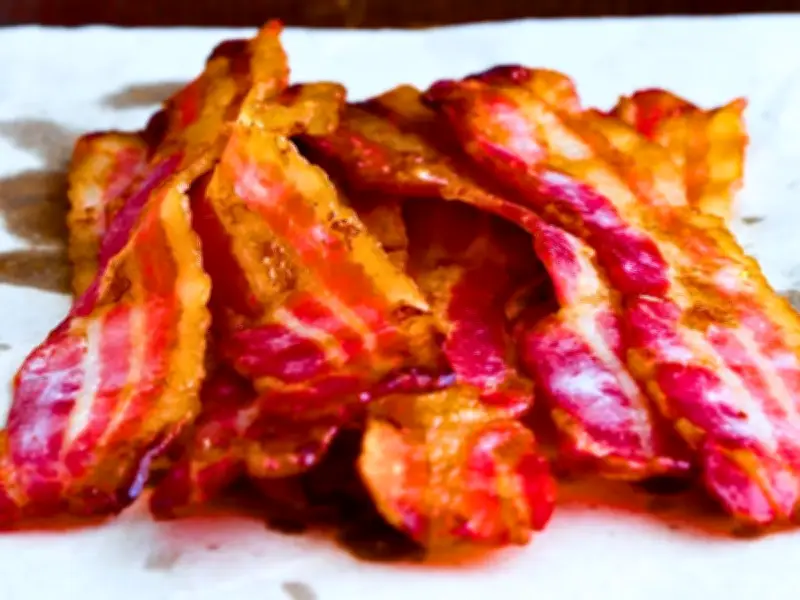
Cooking bacon with water instead of oil makes it crispier, tastier and easier to clean, according to Cassie Michael, co-founder of Food and Meat Co-op. The method, which uses no oil at all, renders the fat gradually so every part of the rasher cooks evenly.
The problem with frying bacon
Frying bacon is the conventional method, but the oil tends to spit during cooking as it combines with the natural fat in the meat and causes the pan to reach an intense heat. This often leaves a grease-splattered worktop, and the oil can scorch the pan, making cleanup a chore.
The white fat on bacon should render naturally when heated, but when combined with oil, the edges tend to cook far more quickly than the rest of the rasher. The result is often bacon that chars on the outside before the pink meat has cooked through, leaving strips that are simultaneously soggy and burnt.

The water method
Cassie Michael said: "You might be asking, can you boil bacon? And the answer is yes! You can absolutely boil bacon! Boiling bacon makes it tender and juicy and brings out a rich, savoury flavour."
She added: "I know, I am a little weirded out by this too, but friends... where has this method been my entire bacon-lovin' life?! Taste was amazing. Texture was perfect. Cleanup was easier."
Cooking bacon in water allows the fat to render gradually, giving it ample time to cook properly before it begins to affect the meat itself. Water also helps produce a crispier texture and a more pronounced, meaty flavour, as the bacon is not saturated in grease. It also makes for a less messy cooking experience, eliminating the need for oil entirely.
How to cook bacon with water
Start by placing the bacon in a cold frying pan and pouring in roughly one centimetre of water, just enough to partially cover the rashers without submerging them completely. Set the pan over medium-high heat until the water comes to a boil, then reduce the heat to medium-low so it begins to simmer gently.
Cook the bacon for approximately eight minutes until all the water has fully evaporated. Once the liquid has disappeared, the bacon will begin to sizzle as it cooks in its own rendered fat. Allow it to cook for a further one to three minutes, depending on your preferred level of crispiness. Keep a close eye on it to prevent burning, and use a pair of tongs to flip each rasher and ensure both sides are evenly cooked.
Once the bacon appears perfectly cooked, remove it from the pan and place it onto a plate lined with kitchen paper to absorb any surplus fat. The bacon should have a golden appearance and taste considerably better than when fried.