Like many others, I began this year with a goal to eat better and feel better. My diet wasn't poor, but it could have used improvement. With so much information online about what to consume, the consensus is clear: eating whole, minimally processed foods is best for mind and body. I started making a deliberate effort in 2026, and it's been straightforward. Planning meals at the start of the week helps me stay on track while keeping things interesting.
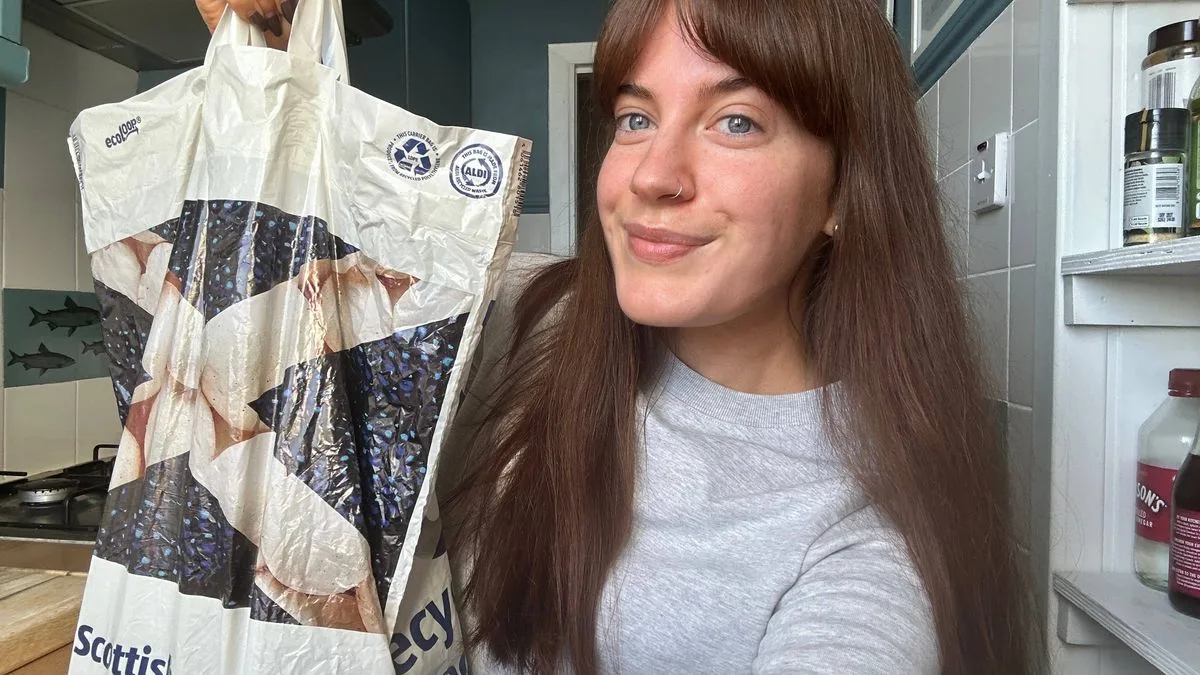
Ultra-processed foods (UPFs) are generally those modified with additives you wouldn't have in your kitchen. Not all UPFs are bad—wholegrain cereals, some hummus, and seeded bread are fine—but scanning labels for the fewest, healthiest ingredients makes a real difference. Fortunately, this doesn't have to break the bank. I do most of my shopping at Aldi, and there are five items I consistently buy each week.
First, an excellent sourdough loaf. I'm fond of Jason's, but Aldi has improved its range. Their new toaster sourdough, at £1.59, is indistinguishable from Jason's, with minimal ingredients, freezes well, and makes perfect toast. Next, dark chocolate: Aldi's 85% variety, at £2.49, is individually wrapped for portion control. Dark chocolate is rich in polyphenols, which help combat stress and prevent illnesses.

Nut butters are calorie-dense but provide healthy fats. I buy peanut butter with only peanuts—no added sugar or additives. Aldi's smooth and crunchy versions cost £1.59 each, a saving compared to brands like Whole Earth. I enjoy it with apple slices, in stir-fry sauces, or on overnight oats. Chia seeds are another staple, high in fibre and omega-3s. I make chia pudding with Greek yoghurt, milk, and a spoonful of seeds for a varied breakfast.
These five items are adaptable, tasty, and affordable. While not entirely unprocessed, they help me reduce UPFs without sacrificing flavour or variety. My weekly shop at Aldi now consistently includes these staples, and I feel the difference.