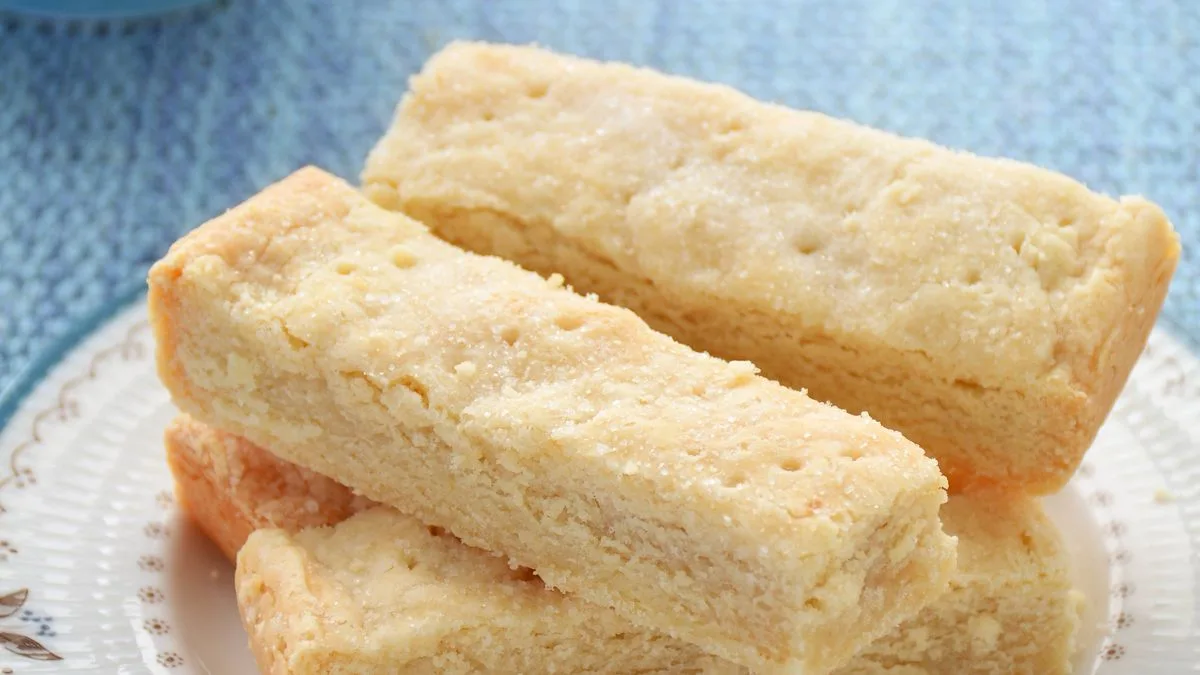
Ditching Mary Berry's Shortbread for a Simpler 3-Ingredient Melt-in-Mouth Recipe
3-Ingredient Shortbread Beats Mary Berry's Semolina Version

Homemade shortbread offers a delightful alternative to store-bought biscuits, providing a rewarding baking experience with minimal effort. While it requires a bit more work than grabbing a packet from the shelf, mastering this iconic Scottish treat opens the door to quick, simple, and utterly delicious dunking heaven.

The Allure of Traditional Shortbread

Shortbread is beautifully straightforward in its traditional form, relying on just three basic ingredients: sugar, butter, and plain flour. No fancy gadgets are needed—just a decent-sized bowl, a baking tray, and your own two hands. This simplicity makes it an accessible bake for both beginners and seasoned cooks alike.

Mary Berry's Semolina Twist

While classic shortbread sticks to the holy trinity of ingredients, baking legend Mary Berry introduces a curveball with her recipe: semolina. She suggests that semolina works alongside flour to deliver a satisfying crunch, though alternatives like cornflour or ground rice can be used if preferred.

Wide Pickt banner — collaborative shopping lists app for Telegram, phone mockup with grocery list

In practice, the semolina adds a gentle, sweet nuttiness and an irresistible snap to the finished biscuit. However, this version demands more patience, requiring a good stint in the fridge to chill and a gentler oven temperature that extends baking time. Despite the extra bite and flavour, the result can feel slightly dry, which detracts from the ideal melt-in-the-mouth texture that defines perfect shortbread.

The Superior 3-Ingredient Scottish Shortbread

In contrast, a traditional Scottish shortbread recipe from former bakery boss Jules Grasekamp ticks every box for perfection. With just three ingredients—butter, flour, and sugar—it's gloriously thick, beautifully crumbly, and practically dissolves on your tongue with each mouthful.

The secret lies in using room-temperature butter and resisting the urge to overhandle the dough, which ensures that signature crumbly finish. Beyond nailing the flavour and consistency, this bake is done and dusted in half an hour, with no need to chill the dough in the fridge beforehand, making it both tastier and more efficient.

Why the Classic Recipe Wins

After countless baking sessions, the comparison is clear: while Mary Berry's semolina version adds interesting texture and flavour, it falls short on moisture and convenience. The traditional Scottish recipe delivers that melt-in-the-mouth magic like no other, proving that sometimes, simplicity reigns supreme in the kitchen.

For anyone looking to whip up a batch of homemade shortbread, sticking to the classic three-ingredient approach offers a quicker, simpler, and more satisfying route to biscuit bliss. It embodies all the qualities of perfect shortbread without the extra fuss, making it a must-try for baking enthusiasts.

Pickt after-article banner — collaborative shopping lists app with family illustration