
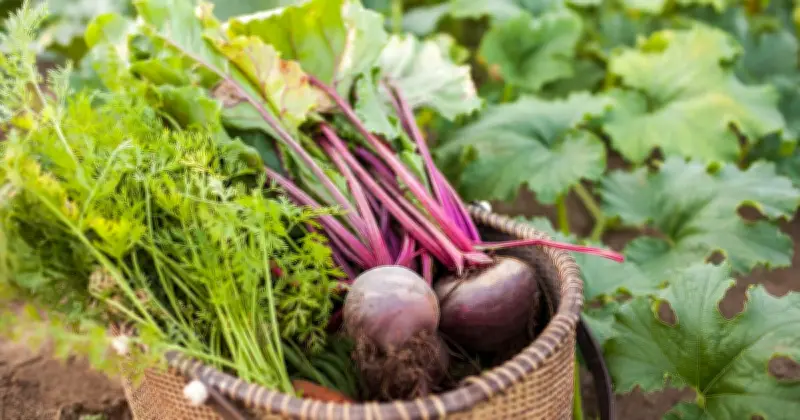
Carrots are among the best-loved vegetables in Britain, with the average person eating around 100 a year. They are affordable and versatile, but also packed with nutrients that support overall health.
Research published in 2023 by Dr Kirsten Brandt, a senior lecturer in human nutrition at Newcastle University, found that eating roughly 300g of carrots a week is linked to an average 15% lower risk of developing cancer.
Why carrots are good for you
Carrots are an excellent source of carotenoids, compounds the body converts into vitamin A. This vitamin helps support the immune system and maintain healthy eyesight. Lutein, found in higher amounts in yellow carrots, may also protect against age-related vision problems.
"You can get vitamin A from meat, but if you're on a vegetarian diet or you don't eat meat regularly, it's important to eat plenty of carrots," says Dr Brandt.
The compound behind the cancer benefit
The cancer-fighting effect appears to come from naturally occurring compounds called polyacetylenes, which help regulate inflammation and protect cells from damage. Dr Brandt explains that despite common assumptions, carotenoids are not the main protective agents.
"People tend to think carotenoids help prevent cancer, but it actually seems to be polyacetylenes," she says. "If you find a person with a lot of carotenoids in their skin and blood, it's a sign they've been eating carrots, but that doesn't mean the carotenoids are doing anything in themselves."
Fibre and gut health
Carrots are high in fibre, which supports digestion, feeds beneficial gut bacteria and helps keep you feeling full for longer. Nutritionist Jenna Hope notes: "Fibre plays a really important role in supporting the gut microbiome."
Carotenoids also accumulate in the skin, where they may offer some protection against sun damage. Dr Brandt describes it as "almost like a built-in sun lotion: the carotenoids absorb the rays from the sun before they can burn you."
Getting the most from your carrots
Orange is not the only healthy option. Yellow carrots contain more lutein, while purple carrots contain anthocyanins, which are being studied for heart-health benefits. However, Dr Brandt says most carrots, whatever their colour, have broadly the same health applications.
Experts recommend leaving the skin on after washing, as much of the fibre is found there. Eating carrots with healthy fats such as olive oil, hummus or tahini can improve absorption of carotene. "You could cook them with a bit of olive oil, serve them with hummus, or drizzle them with tahini," suggests Hope.
Cooked carrots make vitamin A easier for the body to absorb, while raw carrots retain more vitamin C. Including both in your diet offers the greatest nutritional benefit.




