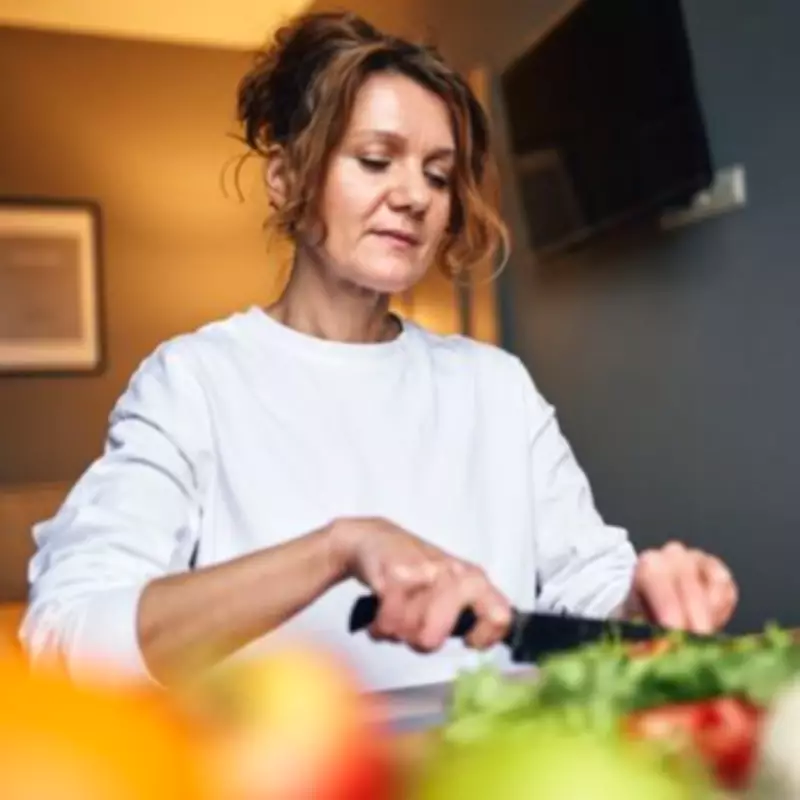
Food expert Professor Tim Spector has unveiled a remarkably straightforward ten-minute culinary rule that he claims can transform ordinary vegetables into potent "anti-cancer" foods. According to the professor, this simple preparation technique could also significantly lower an individual's risk of developing heart disease, diabetes, and obesity.
The Science Behind Sulforaphane
Speaking on his Channel 4 television programme What Not to Eat, Professor Spector, who founded the ZOE Health initiative, explained that a specific category of vegetables known as brassicas contains extraordinary health potential. These vegetables, which include broccoli, cabbage, cauliflower, kale, Brussels sprouts, bok choy, and even rocket or arugula, contain a powerful compound called sulforaphane.
"This is an antioxidant that has anti-cancer properties, and probably also reduces your risk of heart disease, diabetes, and obesity," Professor Spector emphasised. "So you want plenty of it."

The Crucial Preparation Step
The nutritional breakthrough comes not from what you eat, but from how you prepare it. Professor Spector revealed that sulforaphane is released when vegetable cell walls are damaged through cutting or chopping. However, applying heat immediately after chopping actually prevents this beneficial compound from forming properly.
"If you put it straight into the pan, that heat actually stops that sulforaphane being released," he cautioned.
The 'Chop and Stop' Method
Professor Spector's solution is elegantly simple: "chop and stop." He advises home cooks to chop their brassica vegetables and then wait ten to fifteen minutes before beginning to cook them.
"All you need to do is to chop your vegetables 10 to 15 minutes ahead of time, leave it, go and have a cup of coffee and come back to it," he suggested. "And that gives it enough time for the sulforaphane to be in sufficient quantities to really have a benefit on your health."
Scientific Validation and Additional Tips
A comprehensive study published in the Antioxidants journal in 2024 provided substantial scientific backing for these claims. Researchers documented that sulforaphane demonstrates anti-cancer properties across multiple cancer types, including breast, bladder, renal, lung, colon, and prostate cancers. The compound works by inhibiting cancer cell cycles, inducing programmed cell death (apoptosis), and regulating metabolic enzymes.
The study authors further confirmed that "this compound has also been linked to the prevention and treatment of cardiovascular diseases, diabetes, and obesity." Additionally, they suggested sulforaphane might offer potential benefits for neurodegenerative conditions like Alzheimer's disease, Parkinson's disease, and multiple sclerosis through activation of protective biological pathways.
For those pressed for time, Professor Spector offered a practical shortcut: "Adding a small pinch of mustard seed powder to cooked cruciferous vegetables supplies the missing enzyme and allows sulforaphane to form even after heating."
Beyond Brassicas: The Garlic Connection
The same preparation principle applies to garlic, according to Professor Spector. Crushing or finely chopping garlic activates allicin, another beneficial compound linked to antibacterial, anti-inflammatory, and heart-protective effects. Allowing crushed garlic to rest for approximately ten minutes before cooking enables allicin levels to reach their peak concentration.
"So next time, chop first, pause briefly, then cook," Professor Spector concluded. "Small changes like this add up."
This simple yet scientifically supported kitchen technique represents a minor adjustment to meal preparation routines that could yield significant long-term health benefits, transforming ordinary vegetables into nutritional powerhouses through proper timing and preparation.