Navigating Workplace Social Drinking While in Recovery
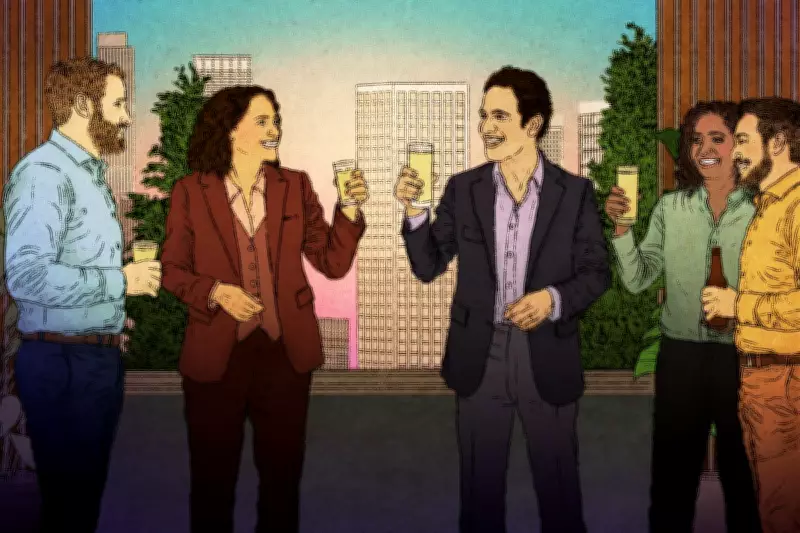
While the legendary three-martini lunch of the 1960s may seem like a distant memory, modern workplaces often remain environments where alcohol consumption is subtly or overtly encouraged. From after-work happy hours and corporate parties to client meetings at upscale bars, American corporate culture frequently intertwines social and professional interactions with drinking. For individuals recovering from alcohol addiction, navigating these situations while maintaining sobriety can present significant challenges and anxieties.
The Daunting Conversation About Sobriety
Discussing sobriety with managers and colleagues can feel intimidating for many professionals in recovery. There is a pervasive fear of being judged for needing help or potentially missing out on career advancement opportunities, especially in industries where social drinking is viewed as an integral part of networking and relationship-building. However, treatment experts and those who have successfully managed careers while abstaining from alcohol emphasize that these concerns, while natural, should not prevent necessary conversations or actions that safeguard one's recovery journey.
"If you're sober and in recovery, nothing's worth risking putting your sobriety at risk," stated Lisa Smith, a former attorney at a prestigious New York law firm who battled drug and alcohol addiction. Smith highlights that learning not to overexplain oneself and establishing clear boundaries at work are crucial skills. "We say in recovery a lot that 'No' is a complete sentence," she added, underscoring the importance of concise self-advocacy.

Changing Norms and Workplace Perceptions
The professional landscape has evolved since Smith entered the workforce. Younger generations, with greater access to mocktails and non-alcoholic beers, have contributed to normalizing the choice not to drink. Additionally, workplaces are increasingly versed in discussions surrounding mental health and substance use disorders. When Smith began refusing alcoholic beverages, she discovered that most colleagues were far less concerned than she had anticipated. She also noticed a larger number of non-drinkers around her, whether for religious, health, or personal reasons.
Smith observed that individuals who pressured her to drink were often heavy drinkers themselves, "looking for a comrade to drink with, to sort of make them feel better about their own drinking." In her early recovery, she strategically skipped or left events early if they felt uncomfortable, but made efforts to connect with colleagues over coffee the following day. Today, Smith runs an advisory firm, helping organizations and law firms cultivate more recovery-friendly workplaces.
Industry-Specific Challenges and Personal Strategies
In the entertainment industry, where alcohol consumption is widespread and often glamorized, production designer Ermanno DiFebo of Los Angeles shared his long struggle with addiction before achieving sobriety. He described how alcohol marketing perpetuated harmful stereotypes: "if you are good, you can handle it. If you cannot handle it, you are weak. The treatment facilities are for people that are weak." Initially, DiFebo used excuses like early morning appointments to avoid drinking. In more understanding environments, he would simply state, "I partied too much and now I'm not partying anymore."
DiFebo now encourages people to view alcohol addiction similarly to a food allergy—if you were allergic to gluten, you wouldn't consume it. "Alcohol makes you sick and manifests itself in compulsion to continue beyond reasoning," he explained, advocating for a straightforward, health-based perspective.

The Business Case for Recovery-Friendly Workplaces
Creating a work culture that supports individuals in recovery is not only compassionate but also beneficial for employers, according to Heidi Wallace, Vice President of Recovery Services at the Betty Ford Center in Rancho Mirage, California. "Individuals in that recovery process that are working a program, they're actually the most productive workforce," Wallace asserted. "They've done so much work to get to this place, and their program actually has been sitting in a space of gratitude and a place of being of service."
Research indicates that employees actively engaged in recovery programs tend to have lower absenteeism and are more likely to volunteer for additional tasks. Wallace suggests companies can facilitate this by offering spaces for virtual recovery meetings during work hours or even hosting on-site sessions. DiFebo recalled attending recovery meetings at major film studios like Warner Brothers and Universal, realizing, "there were a lot of people in recovery around all the drinkers. I just didn't see them before."
Promoting Inclusive and Alcohol-Free Events
Lisa Smith actively works to demonstrate to employers that team-building events can be enjoyable without centering alcohol. "There was always this assumption people made that when planning events that alcohol equals fun, right?" she noted. However, alternatives like hiking, wellness activities, and non-alcoholic beverage options are gaining popularity. Even traditional events such as wine tastings can be adapted with non-alcoholic wines.
When organizing parties, simple adjustments can make a significant difference. For instance, ensuring mocktails are readily available from servers carrying trays, rather than requiring non-drinkers to specially order them from the bar, fosters inclusivity. "It shouldn't be incumbent upon the person who chooses not to drink on any given night to make themselves feel comfortable in that setting," Smith emphasized, advocating for proactive consideration from employers and event planners.