
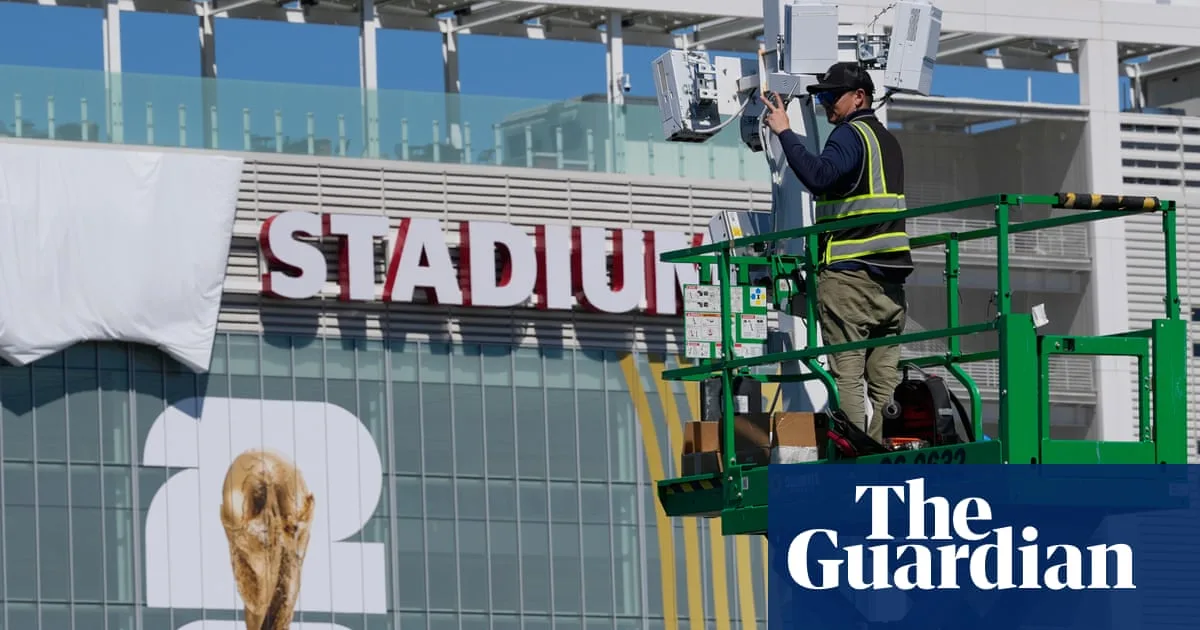
As the World Cup kicks off across 16 host cities, labour advocates and scholars warn that workers making the tournament possible could face serious heat-related risks. Forecasts show much of the US facing above-normal temperatures, with southern cities such as Miami, Houston, Dallas and Atlanta potentially topping 85°F or even 90°F (29.4°C to 32.2°C).
“It’s going to be extremely hot, and you just cannot leave people unprotected or you’re going to deal with a lot of injuries,” said Jonathan Alingu, co-executive director of Central Florida Jobs With Justice. “Or, God forbid, something even worse.”
A study published this week, led by University of Georgia geographer Andrew Grundstein, found that thousands of World Cup workers are expected to labour in conditions exceeding recommended heat-exposure limits. “If you think about the delivery people, the law enforcement, firefighters, EMTs, people selling concessions or collecting tickets, a whole network of people are going to face heat-related hazards,” Grundstein said.
The study assessed historical weather and wet-bulb globe temperatures, a measure of heat stress accounting for temperature, humidity and wind speed. Southern host cities pose the greatest risks, but even cooler locations should prepare for unusually high temperatures. Stadiums without air conditioning – including venues in Miami, New York, Philadelphia and Kansas City – may be more dangerous. Workers carrying heavy loads, performing physical labour, or wearing extra fabric such as mascot costumes may be more vulnerable.
Measures such as mandated breaks and access to water and shade can help, said Jordan Barab, former deputy assistant secretary of labour at the federal Occupational Safety and Health Administration (Osha). “We’ve known for decades, if not centuries, how to protect workers against heat-related illness and death,” he said. “It’s not that hard, it’s not that expensive, but there are far too many employers who are still neglecting those precautions.”
Fifa said it is “committed to protecting the health and safety of all players, referees, fans, volunteers and staff”. A spokesperson noted that matches are scheduled for late afternoon and evening to avoid the worst heat, and venues will deploy cooling measures including shaded areas, misting systems and expanded water distribution. Work-rest schedules, trained medical personnel, real-time weather monitoring and a taskforce of heat experts will also be in place.




