The Real Reason You Can't Stop Snacking
If you've ever blamed your snacking habit on a lack of willpower, take heart: it's not your fault. According to recent research, our environment is setting us up to overeat, but there are simple ways to take back control. Dr. Thomas Sambrook, a lead researcher and psychology lecturer at the University of East Anglia, explains that rising obesity isn't simply about willpower—it's a sign that our food-rich environments and learned responses to mouthwatering cues are overpowering the body's natural appetite controls.
How Your Brain Responds to Food Cues
Dr. Sambrook and his team studied people's brainwaves and found they were always excited by delicious-looking food, regardless of how full they were. In a world saturated with food adverts and images, this poses a significant problem. Snack foods like chocolate, biscuits, and crisps deliver plenty of calories but little nutrition, making overeating all too easy.
"You can eat a food until you are completely sated, but your brain still says 'yum' when you see pictures of it," says Dr. Sambrook. "The electrical activity we're recording is a classic reward signal in the brain. It kicks off not only when you see tasty food but also when you eat it, win money, or look at racy photographs."
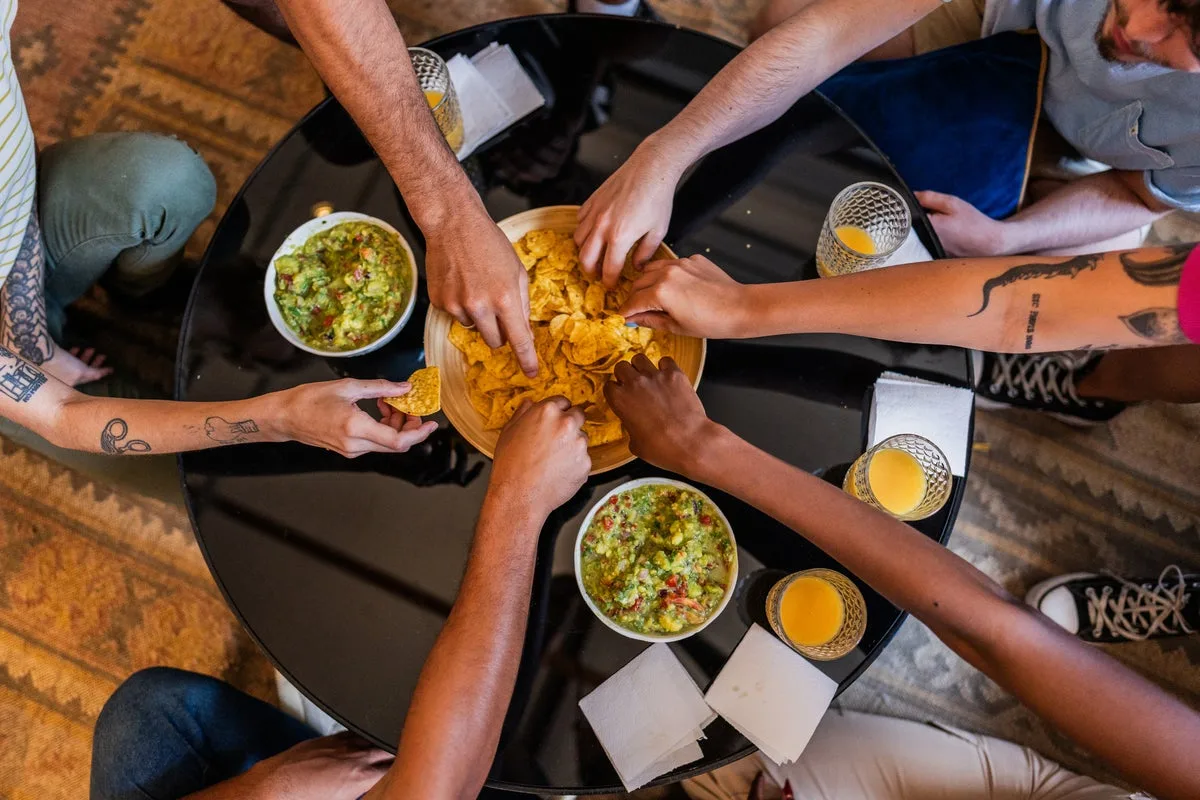
This reinforces a subconscious habit: you see tasty food, then you eat it, which may override the body's natural appetite controls. Dr. Sambrook defines habits as behaviours not under individual control but driven by specific environmental cues. For example, when you're at a table with friends and there's an open packet of biscuits, your fingers might reach out without you even being aware of it.
The Root of the Problem: An Obesogenic Environment
Humans evolved in environments where food was scarce, but today, food is everywhere. Our brains are hardwired to seek food for survival, but in a modern context with constant visual cues, this leads to overeating. Dr. Sambrook calls this the "obesogenic environment"—one that encourages eating in the absence of hunger.
Ultra-processed foods exacerbate this issue. "Ultra-processed foods are usually very energy-dense and beyond what our normal appetite cutout mechanisms would expect," Dr. Sambrook notes. "You're going to overeat long before your brain signals you to stop."
Practical Strategies to Reduce Overeating
While societal change, like hiding cigarettes, could help, it's often slow. In the meantime, Dr. Sambrook recommends individual methods to revise your relationship with food through stimulus control.
- Avoid Cues: When food adverts appear on TV, get up and stretch your legs or put the kettle on.
- Control Your Environment: Rearrange your surroundings to reduce temptation. For instance, take out an appropriate amount of food from a packet and put the rest away to create friction.
- Separate Activities: Avoid associating food with enjoyable behaviours like watching TV. Eat only when eating, to prevent reinforcing the habit.
Dr. Sambrook emphasizes that relying solely on willpower is a setup for failure. Instead, understand that food cues are deeply ingrained and normal. By knowing your enemy and avoiding cues, you can prevent overeating without constant temptation.
Rebuilding Habits for Long-Term Success
Instead of trying to ditch habits entirely, Dr. Sambrook suggests morphing them into something more positive. For example, replace biscuits with rice cakes. "You're performing the behaviour you're cued to do, satisfying the habit," he explains. "Over time, as you eat less reinforcing foods, the cue-response weakens, and you may find yourself less inclined to snack."
In summary, snacking is driven by environmental cues, not personal failure. By applying these simple strategies, you can rewire your brain and take control of your eating habits for better health.