WHO Regional Director Sounds Alarm Over Escalating Health Emergency
The World Health Organization's chief for the Eastern Mediterranean region, Dr Hanan Balkhy, has issued a stark warning about a health crisis unfolding in real time across the Middle East. In an interview with the Guardian, she emphasized that a total stop to hostilities is urgently needed to prevent further collapse of healthcare access.
Attacks on Healthcare Facilities Intensify Regional Suffering
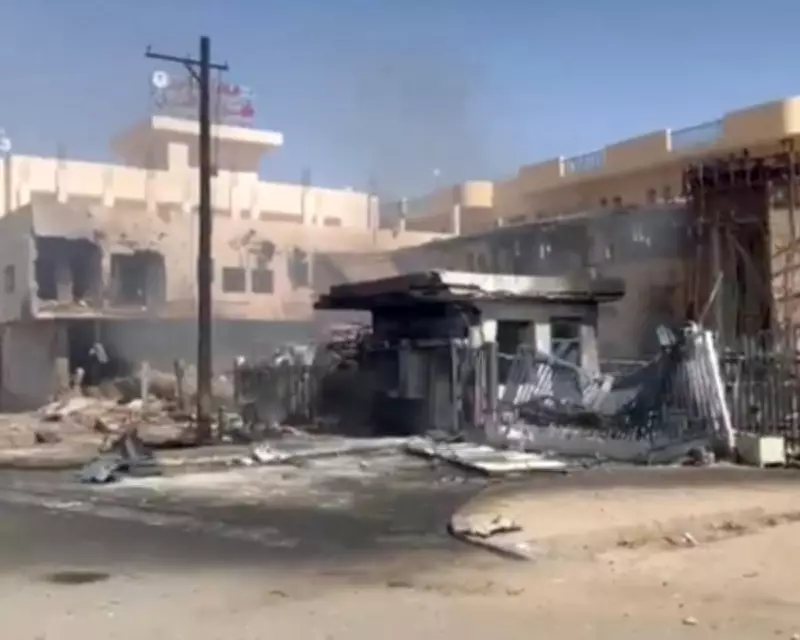
Dr Balkhy stressed that hospitals and other medical centres must be treated as safe havens, yet recent events tell a different story. A devastating attack on El-Daein teaching hospital in East Darfur, Sudan, resulted in the deaths of at least 70 people, including 13 children, two nurses, and a doctor, rendering the hospital nonfunctional. This incident is part of a broader pattern, with the WHO verifying dozens of attacks on healthcare in countries like Lebanon, Iran, and Israel since the onset of the US-Iran conflict.
The regional director highlighted that the crisis extends beyond immediate casualties, disrupting care for chronic illnesses due to hospital closures and mass displacement. For instance, over 3.2 million people have been displaced in Iran and more than 1 million in Lebanon within a month, severely straining health systems.

Long-Term Consequences and Nuclear Concerns
Balkhy expressed deep concern about the long-term impacts, including increased maternal mortality, mental health issues, and children left orphaned and without education. She also voiced grave worries about potential attacks on nuclear sites and water desalination plants. Preparations are underway for such scenarios, as contamination from oil or nuclear facilities could seep into water sources, exacerbating the disaster.
Her comments preceded reports of a projectile hitting the Bushehr nuclear power plant in Iran, underscoring the urgency. She warned that targeting desalination facilities would be catastrophic, potentially leaving millions in Gulf countries without water.
Call for Compliance with International Humanitarian Law
Dr Balkhy urged all parties to secure the healthcare sector, emphasizing that hospitals should no longer be battlegrounds. In the past, people in war zones would seek refuge in hospitals, confident they wouldn't be bombed. That assurance has vanished, she noted, calling for renewed adherence to international humanitarian law.
Meanwhile, she lamented that crises in Gaza, Sudan, and Yemen are being overlooked as global attention shifts to the US-Iran conflict, leading to unrecognized hardship, death, and displacement. The WHO is collaborating with other UN agencies to mitigate potential catastrophes, but Balkhy insists that only a significant de-escalation or permanent pause in hostilities can avert a full-blown regional health disaster.