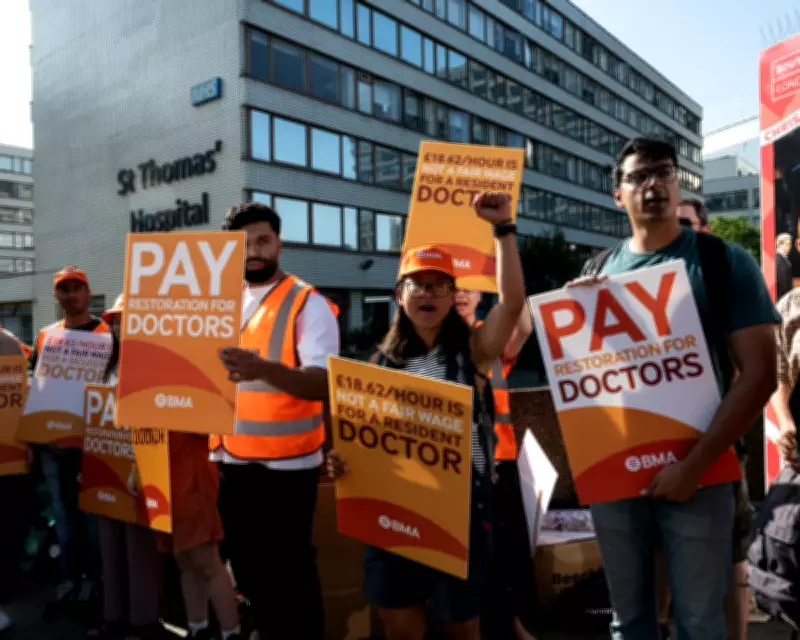
Wes Streeting Accuses Resident Doctors of Torpedoing Pay Rises and Training Posts
Health Secretary Wes Streeting has launched a scathing critique against resident doctors, claiming their ongoing strike action has "torpedoed" potential pay increases and training opportunities. This accusation comes as tens of thousands of doctors in England commenced a six-day stoppage, marking the longest strike in the dispute's history.
The industrial action, which began at 7am on Tuesday, represents the 15th walkout since March 2023, as doctors continue their campaign for "full pay restoration." Streeting argued that while concerns over jobs and wages hold "legitimacy," the British Medical Association (BMA) has scuppered any chance of a breakthrough by rejecting what he described as a serious government offer to transform medics' conditions.
Strike Costs and NHS Impact
NHS officials have warned that this strike will cost the health service an estimated £300 million, leading to widespread cancellations of appointments and forcing patients to endure longer waits for tests, treatment, and surgery. With this latest round, total costs since 2023 are projected to exceed £3 billion, according to analysis by the Times and Telegraph, with the NHS not objecting to this estimate despite not providing formal figures.

Health leaders have urgently pleaded with patients not to avoid seeking necessary care this week, emphasizing that life-threatening emergencies should still prompt calls to 999 or visits to A&E departments.
Government Offer and BMA Rejection
Streeting detailed the government's proposal, which included an average pay rise of 4.9% this year, a minimum boost of 6.2% for the lowest-paid doctors, and an overall average increase of 35.2% compared to four years ago. Additionally, the plan addressed career progression and training bottlenecks by introducing up to 4,500 additional specialty training posts over three years, including 1,000 this April, alongside support such as reimbursing mandatory exam fees.
However, the BMA rejected this offer outright, seeking instead a 26% pay rise spread over several years. The union accused the government of "shifting the goalposts" after weeks of productive negotiations, particularly over a £700 million extra "progression pay" dispute regarding its distribution over three years versus the new NHS operational year.
Breakdown in Talks and Mutual Blame
Talks held last Tuesday and Wednesday failed to reach a compromise, leaving both sides far apart on key issues like pay. Dr. Jack Fletcher, chair of the BMA resident doctors committee, blamed the government for the breakdown, stating that a deal was taking shape until ministers "quietly watered it down" at the last minute.
Fletcher expressed frustration over the government's withdrawal of the offer to create 1,000 extra specialist training places this year, which Streeting confirmed was conditional on the BMA accepting the broader deal. The health secretary retorted, "They can't reject the deal and claim the benefits," highlighting the interconnected nature of the proposals.
The strike is set to conclude at 7am next Monday, with ongoing tensions threatening to derail NHS progress on reducing waiting times and exacerbating financial strains on the health service.