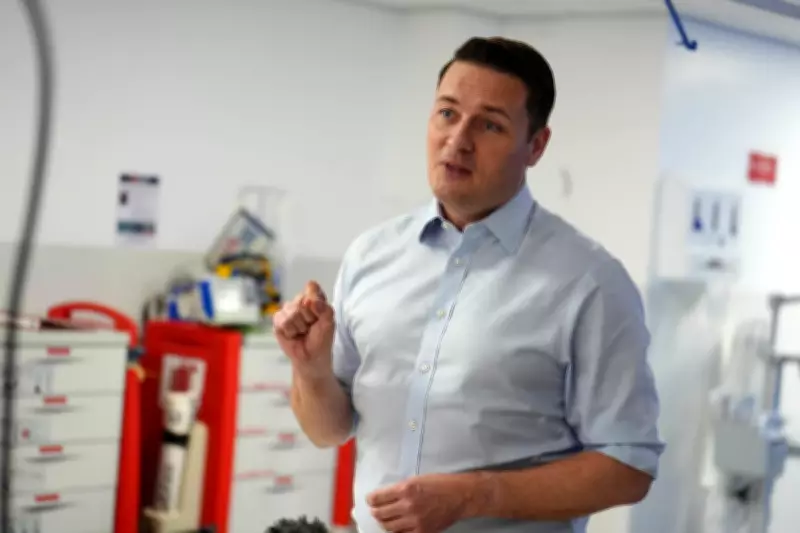
Wes Streeting Condemns BMA's Rejection of Resident Doctors' Pay Deal
Health Secretary Wes Streeting has launched a scathing critique of the British Medical Association, accusing the union of failing to engage seriously in negotiations over doctors' pay. The government's proposed agreement, which included an average pay increase of 4.9 per cent for resident doctors this year, has been outright rejected by the BMA's Resident Doctors Committee.
Substantial Pay Increases Offered Amidst NHS Strain
The comprehensive deal would have delivered significant financial benefits to medical professionals across the board. For the lowest-paid foundation doctors, the package translated to pay rises ranging between 6.2 per cent and 7.1 per cent. When combined with the 28.9 per cent increase resident doctors have already received since 2022, this would have resulted in an average pay boost of 35.2 per cent compared to four years ago.
"This would place doctors among the highest-paid professionals in the entire public sector," Streeting emphasised, highlighting the government's commitment to fair compensation during challenging economic times.

Beyond Pay: Comprehensive Workforce Improvements
The rejected proposal extended far beyond simple salary adjustments. The government had committed to creating up to 4,500 additional specialty training positions over the next three years, with 1,000 of these posts scheduled to commence this year. This initiative directly addressed longstanding concerns about career progression bottlenecks within the NHS training system.
Additional benefits included:
- Reimbursement for mandatory examination fees that typically cost doctors thousands of pounds
- Legislative changes prioritising UK graduates for training places
- Pay structure reforms developed in response to BMA proposals
Easter Strike Action Threatens NHS Stability
Despite months of what the government describes as good-faith negotiations, the BMA has announced a six-day strike scheduled for the Easter holiday period. This industrial action is projected to cost the NHS well over £250 million in additional expenses.
"The timing couldn't be worse," Streeting warned. "Hospitals will be forced to divert crucial funds into covering emergency shifts and managing disruption, money that should be invested in creating those new training posts we've promised."
The administrative burden created by strike planning and implementation further strains HR departments, operational teams, and clinical staff, pulling focus away from long-term workforce expansion strategies.
Negotiation Breakdown and Missed Opportunities
The government expressed particular frustration that when asked to propose alternative solutions, the BMA simply rejected the existing offer without presenting viable alternatives. "Negotiation requires movement from both sides," Streeting stated. "When one party cannot even agree internally on counter-proposals, meaningful progress becomes virtually impossible."
Time-sensitive elements of the deal, including the creation of new training positions, become increasingly difficult to implement as strike costs accumulate. The planned recruitment of 1,000 additional trainees this month has been rendered operationally impractical and financially unaffordable due to the impending industrial action.
Government's Commitment to Dialogue Contrasted with Strike Action
Streeting contrasted the government's approach with that of previous Conservative administrations, emphasising that his door remains open for continued discussions. "Unlike my predecessors, I have never closed the door to talks and negotiations," he affirmed.
However, the Health Secretary made clear that his immediate priorities must shift toward supporting the NHS through the disruption caused by strikes and continuing negotiations with nursing staff and the broader NHS workforce.

Call for Responsible Union Leadership
The government maintains that the BMA still has an opportunity to reconsider its position, withdraw strike notices, and return to constructive negotiations. "This isn't just about jobs and pay," Streeting concluded. "It's about whether the BMA is prepared to work collaboratively to protect and strengthen the NHS that millions of patients depend on every single day."
The standoff continues as the NHS prepares for what could be one of the most disruptive periods of industrial action in recent memory, with patient appointments already being cancelled and care delayed across the health service.