
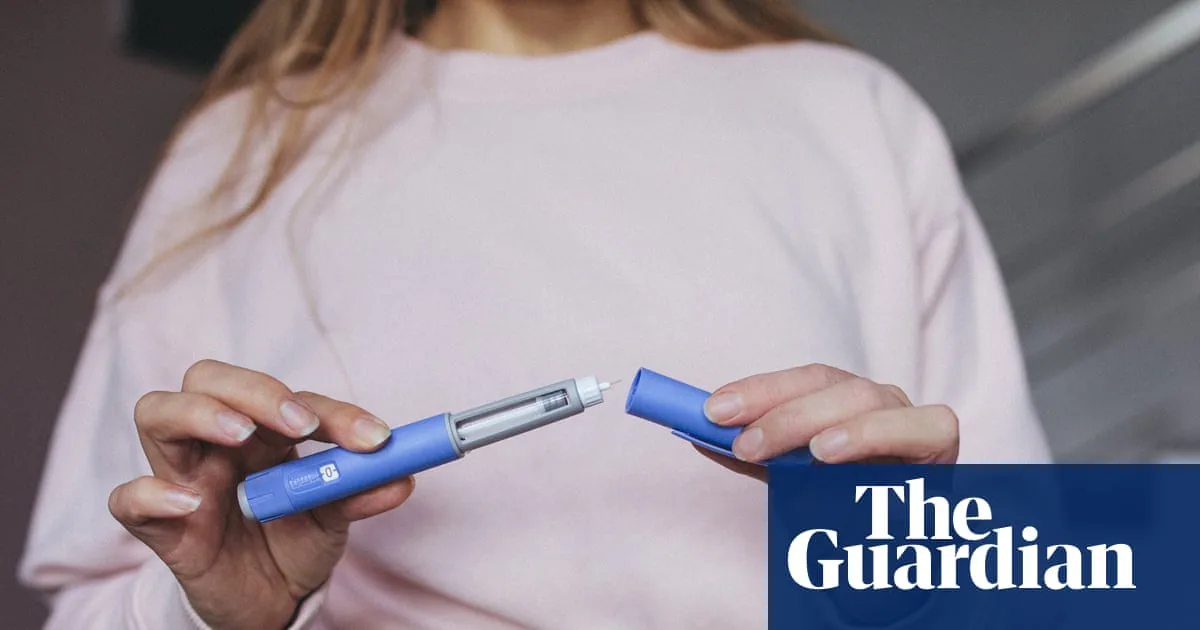
People who stop taking weight loss jabs regain all the weight originally lost in under two years, and significantly faster than those on any other weight loss plan, according to a landmark study.
The study, led by academics at the University of Oxford and published in the BMJ, analysed 37 existing studies involving 9,341 participants. On average, weight was regained at a rate of 0.4kg per month after stopping medication, with participants returning to their original weight within an average of 1.7 years.
The rate of weight regain was almost four times faster than for behavioural programmes, regardless of how much weight was lost during treatment. Dr Sam West from the University of Oxford said: “This isn’t a failing of the medicines – it reflects the nature of obesity as a chronic, relapsing condition.”
The researchers also found that benefits to cardio-metabolic health markers, such as blood pressure and cholesterol, returned to original levels within 1.4 years of stopping treatment. Dr Faye Riley from Diabetes UK said the drugs “are not a quick fix” and need to be prescribed with tailored wraparound support.
An NHS spokesperson said the treatments “are not a magic fix” and must be paired with advice on healthier diets and physical activity. Katharine Jenner from the Obesity Health Alliance added that society must improve the food environment to help people sustain the health benefits.




